

According to technology editor Steven J. Vaughan-Nichols, the Pixel 2 managed to outperform smartphones like the Samsung Galaxy 8, the iPhone 8, and the iPhone X. The reasons, he says, are various, although it is not superior from a technological point of view.
 First, the iPhone software needs improvement. iOS 11 had one bug after another. There's also the recent fact that Apple is deliberately and secretly slowing down iPhones as their batteries age. The iPhone X is also too big for the average user's hands, as many have found the external dimensions of the latest model to be excessive.
As for the Galaxy 8 family, it suffers from the same usability problem as the iPhone X, losing ground as well. Then there's Bixby, Samsung's answer to Siri and Google Assistant, but it's worth noting that the answer failed on its first try.
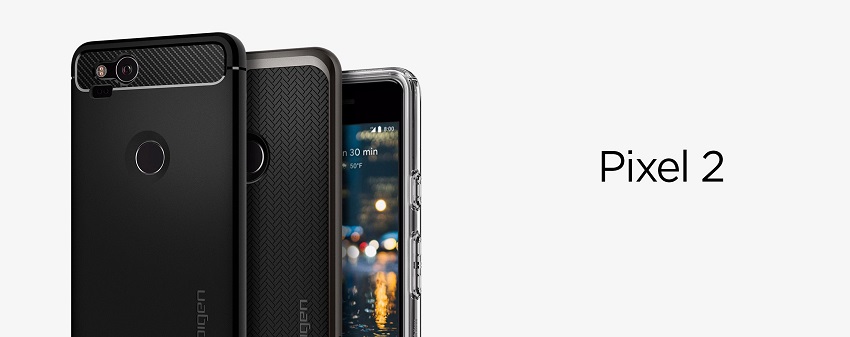
The Pixel 2 has good ergonomics, as the dimensions of 5.74 x 2.74 inches seem to be enough for any application on a smartphone. It has a fingerprint scanner, which is very useful in cases of data security. The 6-inch OLED Gorilla display with a resolution of 1,920 x 1,080 pixels offers perfect display. The Pixel 2's cameras, 12.2 megapixels on the back and 8 megapixels on the front, are of high quality and work extremely well even in low light. And this was before Google activated the Pixel Visual Core, a new dedicated processor for photos. To use the Pixel Visual Core, you need to install the latest version of Android: Android 8.1.
The Pixel 2 can easily stand up to larger smartphones as it maintains a very decent performance in all areas at a lower cost and the flexibility of an Android operating system.
