

Scientists from Imperial College London and DNA Electronics have created a device the size of a USB stick that can detect HIV in less than 30 minutes.
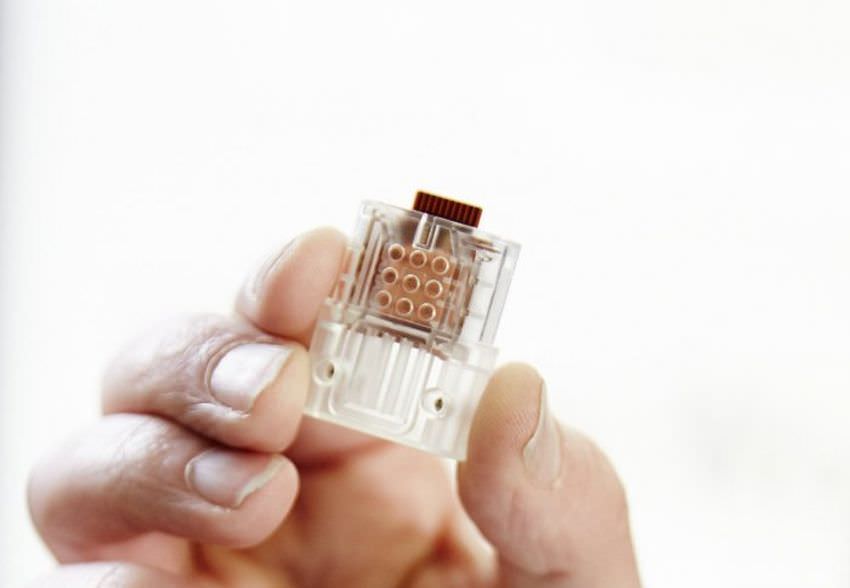
It is the fastest, shortest and easiest method of detecting HIV yet, and it has highly accurate results. In recent research, 991 blood samples were tested with 95 percent accuracy, taking about 21 minutes to produce a result.
Patients will be able to place a drop of blood on a spot on the USB stick, similar to the way diabetics use a blood glucose meter to read their blood sugar levels. If HIV is detected on the sensitive plate of the device, a change in acidity is triggered, which translates into an electrical signal on the chip, which in turn is transmitted from the USB drive to the computer.
Until now, detecting the virus requires expensive and complicated laboratory equipment and takes a couple of days to get the result. Scientists have managed to shrink this equipment, which is the size of a large photocopier, to just a few centimeters, the size of a USB stick.
Even if its final price is set at low levels, it will really help the residents of underdeveloped countries who are literally plagued by the disease.
