

When a social network loves its users, it cares about their privacy. True or False? Mark Zuckerberg tried to convey the image of a truly benevolent Facebook at the company's f8 conference on Wednesday, saying it would release an update that would let its members retrieve the personal information they share with third-party apps.
Mark Zuckerberg said that on the eve of his 30th birthday, he decided that Facebook would “create a culture of love for the people it serves.”
There’s no doubt that Facebook’s new policy of creating a service for its members that would give them the ability to choose which of their profile data is available to a third-party app, or even an anonymous login that doesn’t share information with any app, is groundbreaking and sounds very tempting.
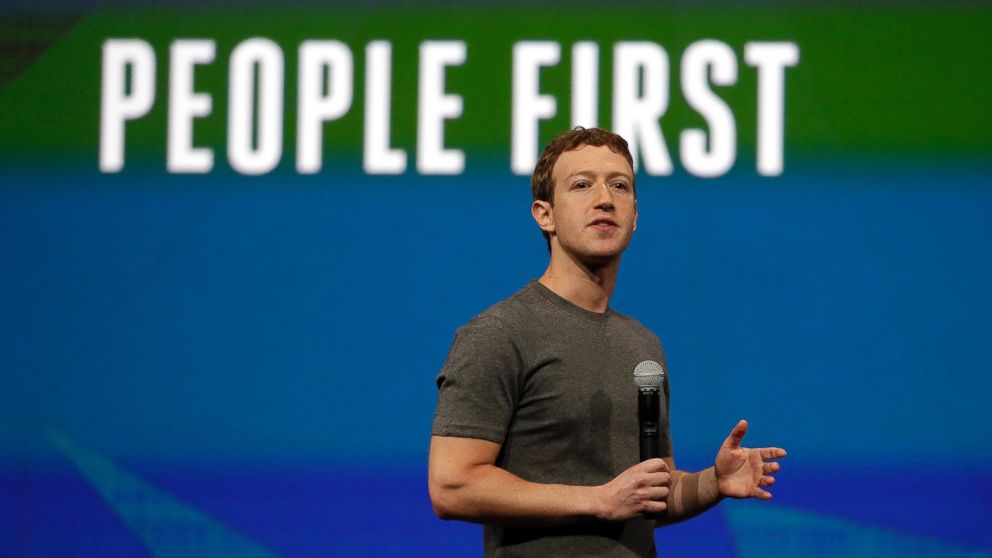
But is it a compassionate act of love? A sign of Facebook's undying commitment to "putting people first," as Mark Zuckerberg put it?
Although the new feature is formulated as user-friendly and comes to ensure privacy, the options it provides may protect against “third parties” but are simply another way for Facebook to learn even more about its members’ activities.
New Facebook services, such as shopping through the social network, require a real identity, a real profile.
By giving people more control over what personal information they display on third-party services, it ensures authentic Facebook accounts. But that’s not all.
Debra Aho Williamson, an eMarketer analyst, said: “Every time you use Facebook to log into an app, Facebook can grab all that information and use it to display its own targeted ads.”
Mark Zuckerbergforgot to mention that Big Data analysis offers the social network’s analysts what you hide and what you show. So Facebook can verify what is true and what is not. But is that all?
As Mark Zuckerberg Wednesday, many people are hesitant to “Sign in with Facebook” when signing up for a new service these days. They worry that they’ll be giving an app access to their Facebook account, which could mean their purchases would be visible to their friends, or that the new service’s messages would flood them and their friends. So if someone wants to sign up, they do it the traditional way, creating a new username, or using Gmail or Twitter instead.
This is how Facebook loses customers. Maybe losing customers doesn't tell you anything and needs further explanation. Facebook can't track its users' habits if they bypass Facebook login, it loses information and data that gave it more about its member's identity.
“If people log into an app through Facebook, then Facebook knows more about the user. It knows more about the apps they use, how many apps they use, and how often,” Nate Elliott, an analyst at research firm Forrester, told the Huffington Post.
“This gives Facebook the theoretical ability to offer better targeted apps to its users.”
Developers are of course losing out on data with Facebook's seemingly sympathetic shift. Elliott said that when Mark Zuckerberg announced the new policy, the f8 audience, which was mostly made up of developers, was silent.
Can we trust Facebook's "love"? Will the "new" Facebook be so different from the Facebook we knew?
“Privacy is like a yo-yo for Facebook,” Elliott said. “Sometimes it’s close, and sometimes it’s far.”
