

Brian Richard Farrell, 27, of Bellevue, Washington, received an eight-year prison sentence and four years of supervised release for his role in the Silk Road 2.0 Dark Web marketplace.
Silk Road 2.0 appeared on the Dark Web after the FBI took down the original Silk Road marketplace. The site was launched in November 2013 with some of the administrators from the original Silk Road.
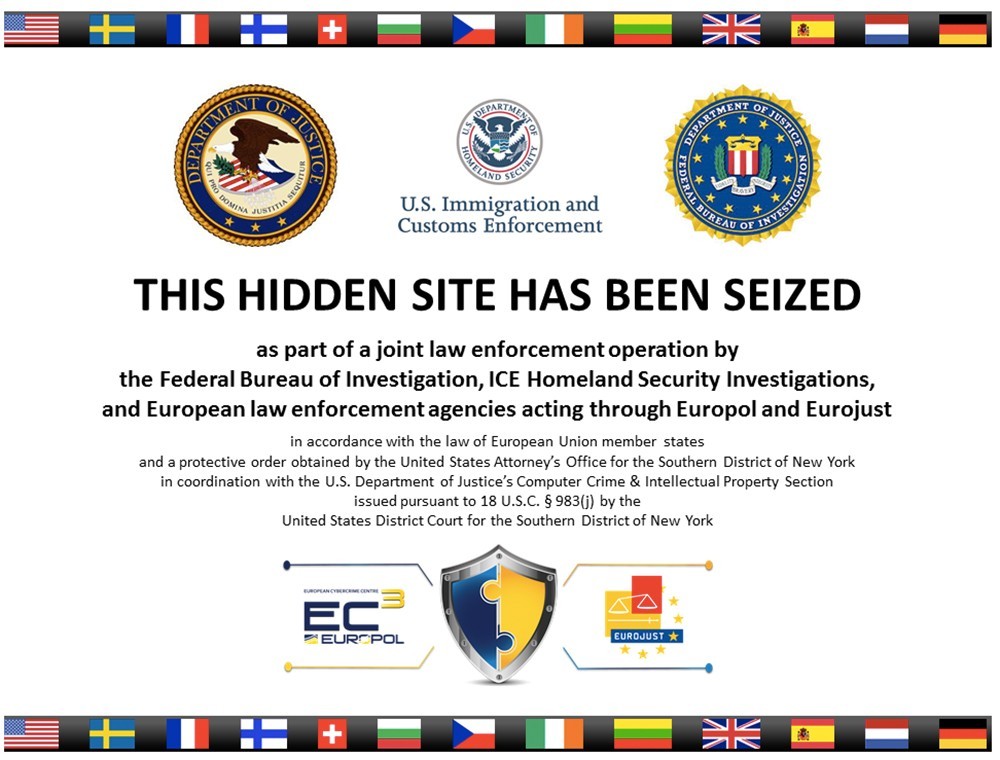
A few months later, authorities arrested these admins as well, but they were unable to take down the site, which ended up under new ownership. This second management team took over in February 2014 and lasted until November of that year, when the FBI arrested its main administrator and some of its staff in San Francisco and other cities around the world, as part of Operation Onymous.
It was only a few years after the public discovered that the FBI had paid Carnegie Mellon University to develop a Tor exploit solely to track the administrators of the second incarnation of Silk Road. The FBI then subpoenaed the university to keep quiet about its work.
Farrell, who operated under the alias DoctorClu on the website, was operating directly under the supervision of Blake Benthall, the site admin, known as Defcon. Farrell and Benthall were part of the second Silk Road 2.0 group, which was busted in 2014.
Farrell's activities included managing and approving new vendors and new staff members. He was also responsible for organizing and conducting DDoS attacks on their competition.
By the time the feds shut down the site for good in 2014, authorities said Silk Road 2.0 was making about $8 million a month, mostly from sales commissions for illegal drug, gun, and exploit trades. The site had over 150,000 monthly active users when it was shut down, which is a significant number for a Dark Web portal.
FBI agents found various types of drug paraphernalia, over $35,000, and a silver bar at Farrell's home in Bellevue.
Benthall has not yet been sentenced. Ross Ulbricht, the operator of the original Silk Road, received a life sentence. Another version of Silk Road, called 3.0, surfaced online last month.
