

Activision is making a major change to the Call of Duty, as Call of Duty: Black Ops 6 will be available as a fully standalone gameThe decision means that owners of the title will no longer need to go through the Call of Duty HQ to access the game, as has been the case since its release in October 2024.

The change is another step in Activision's strategy overhaul, which appears to recognize that the single launcher model has not met the expectations of a significant portion of the community. Although Call of Duty HQ was designed to be the central hub of the popular FPS series, in practice it has evolved into one of the most controversial decisions in recent years for the franchise.
The philosophy behind Call of Duty HQ
Call of Duty HQ was officially launched in November 2023 with the aim of unifying all modern games in the series on a common platform. Through a single application, players could access the main Call of Duty titles, as well as the free-to-play battle royale Warzone, without requiring a separate installation of each game.
See also: Persona 5 Royal and Call of Duty: Mobile join forces
Activision claimed that the new model would simplify file management, make it easier to switch between different titles, and provide a more unified user experience. However, the reality turned out to be quite different.
The community's reactions
From its first few weeks of operation, Call of Duty HQ was under fire from the community, with many players complaining that launching a game required extra steps, while managing the facility was becoming more complicated instead of simpler.
Equally strong was the dissatisfaction with the available storage space. Constant updates and the coexistence of many games within the same launcher led to particularly large downloads, which was a significant problem for users with limited space on SSDs or new-generation consoles.
Several players also argued that newer titles were "lost" within the HQ environment, as the launcher functioned more as a central showcase for the entire ecosystem than as a direct starting point for the game the user had purchased.
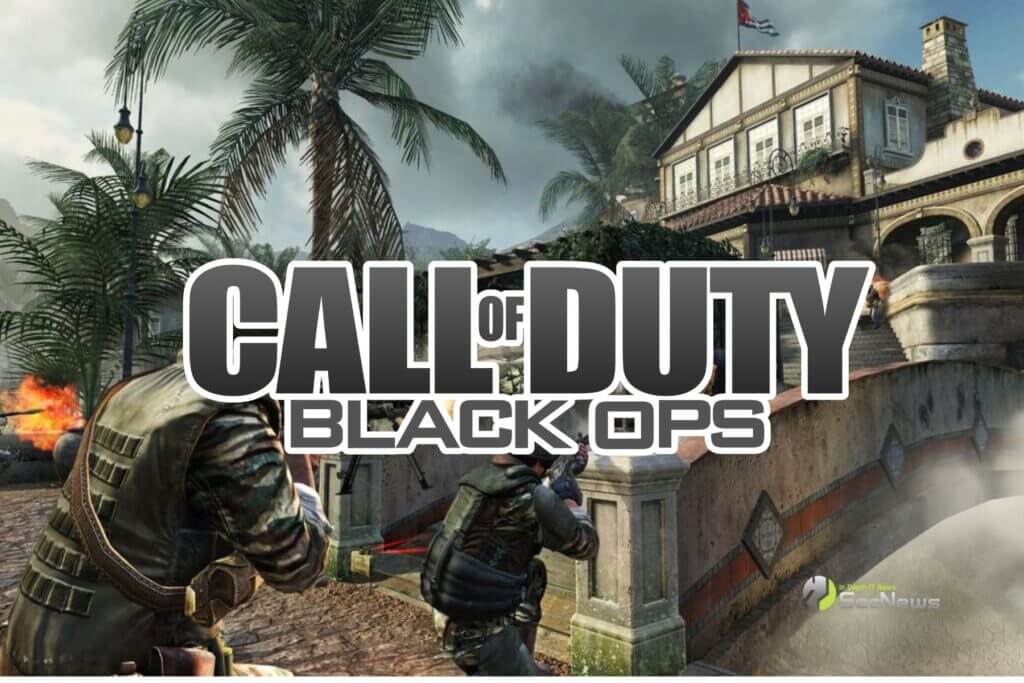
Call of Duty: Black Ops 6 is getting its own installation
With the new update on July 7th, Black Ops 6 is permanently disconnected from the central Call of Duty HQ installation. Players will need to download the new standalone version of the game, which can now be launched directly without the intervention of the launcher.
At the same time, Black Ops 6 content that remained stored on the main installation will be automatically removed, helping to reduce the overall storage space required on the PC or console.
This development had already been leaked since late April, when information from people in the community spoke of the imminent disconnection of the title from Call of Duty HQ. Now the rumors have been officially confirmed.
Call of Duty HQ is not being removed
Despite the departure of Black Ops 6, Activision is not abandoning Call of Duty HQ. Instead, the company makes it clear that the launcher will continue to be the main access point for Warzone and the newer titles in the series.
See also: Call of Duty: Black Ops 1 and Black Ops 2 return rumors are exciting
Over the past two years, the app has seen several improvements in terms of performance, loading speed, and installation management. At the same time, the company has begun to gradually remove older games from the HQ ecosystem, a process that began with Modern Warfare II and Modern Warfare III and is now continuing with Black Ops 6.
This strategy allows Activision to maintain a single hub for the latest releases, but without forcing players to keep content installed that they don't use.
Greater freedom for players
The ability to install standalone has been one of the most talked about community requests for some time now. Users have been asking to be able to choose exclusively the game they want to have installed, without being burdened with additional data or updates for other titles in the series.
The new approach offers greater control over storage management, faster installations, and a simpler boot experience, especially for those who don't care about constantly moving between different games in the franchise.
What does it mean for the future of the series?
Activision's decision shows that the company is willing to adjust its options when player feedback dictates. If the same strategy is maintained, it is likely that future Call of Duty titles will follow a similar path a few months after their release, gaining separate facilities rather than remaining permanently integrated into Call of Duty HQ.
See also: Call of Duty: Modern Warfare 4 is coming in October
At the same time, the company seems to be seeking a balance between two different needs: on the one hand, to maintain a common hub that will connect Warzone and the series' annual releases, and on the other, to offer players more flexibility in managing the games they have purchased. This development is a sign that Activision is now listening more carefully to community feedback, attempting to improve the user experience without completely abandoning the vision of a unified ecosystem for Call of Duty.
