

Former Google CEO Eric Schmidt faced a barrage of boos from University of Arizona students during his commencement speech on Friday when he turned his attention to artificial intelligence . The young graduates' reactions reflect growing concerns about the impact of AI on the job market and the future of young professionals. The incident is a telling example of the widening rift between tech leaders and a younger generation who are directly facing the consequences of the digital transition.
See also: Monroe University: 2024 data breach affects 320,000 people
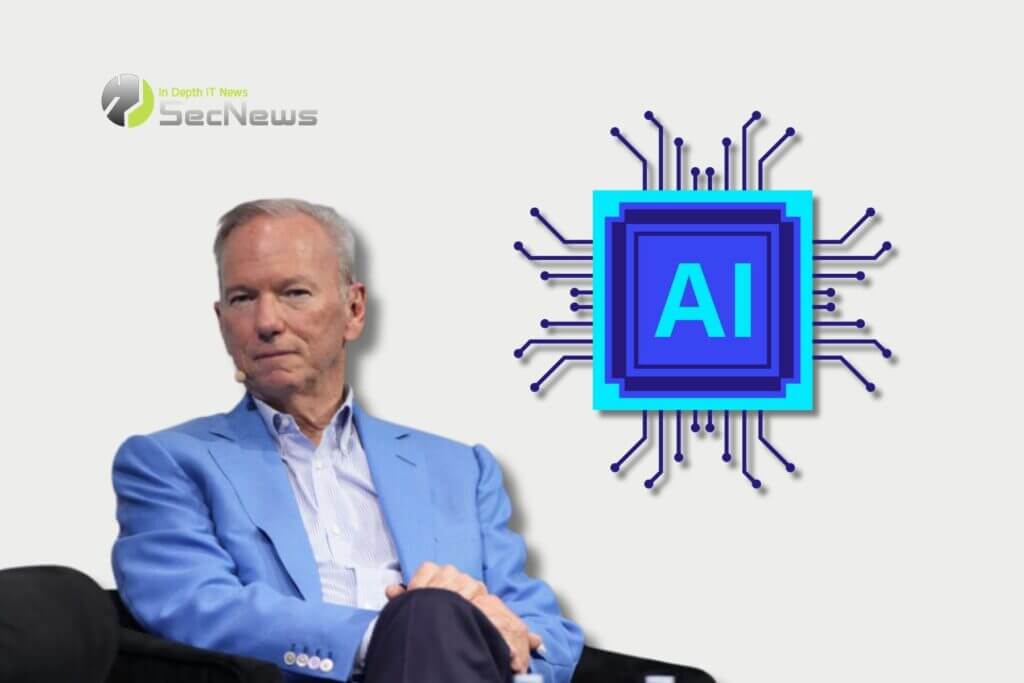
Schmidt students ’ concerns, saying that fears “that the machines are coming, that jobs are disappearing, that the climate is collapsing, that politics is fragmented, and that you are inheriting a mess that you did not create” were “reasonable.” Still, the former Google was evident as he tried to wrap up his speech, asking the audience to let him express his views. The stance exposed the communication gap between tech leaders and young people who are experiencing the changes in the job market firsthand.
The boos weren't just about Schmidt 's statements on artificial intelligence . Some of the graduates also expressed their displeasure over the sexual assault allegations made against him the previous year. This context had already created tension around the event, with student groups circulating petitions and planning protests before the ceremony even began. The combined backlash over Eric Schmidt 's personal issues and technological positions created an explosive atmosphere that culminated in public boos.
Silicon Valley's response to concerns about AI
Finally, Eric Schmidt advised the graduates: “When someone offers you a seat on a spaceship, you don’t ask what seat, you just jump in.” Such comments are not surprising from someone who just last year called AI “underrated.” This stance reflects Silicon Valley to understand public opinion and tailor its message to real-world concerns. The “spaceship” rhetoric reinforces the perception that tech leaders live in a parallel reality, disconnected from the everyday challenges of workers.
See also: University of Hawaii: Hackers obtained Cancer Center patient data

Public opinion has increasingly turned against artificial intelligence, while companies continue to integrate it into every aspect of our lives, regardless of public desire. Big players such as Microsoft, OpenAI, Amazon, Meta and NVIDIA dominate the industry, while the AI is estimated to exceed $200 billion today and reach trillions by the early 2030s. The concentration of power in a few companies raises questions about the democratic control of the technology and the fair distribution of the benefits.
ChatGPT is on track to reach 100 million weekly active users by 2024, while NVIDIA has seen explosive revenue growth driven by demand for GPUs to train AI models . Meanwhile, studies show that a significant portion of jobs in office, legal, customer service, marketing, and software development are at risk of being automated or augmented by generative AI . These statistics reveal the speed at which technology is penetrating the job market, raising concerns about the viability of traditional roles.
See also: Apple Store in University Park Village, Texas is moving

Students' concerns about the future of work
The outcry at the University of Arizona reflects real fears that AI will reduce hiring in entry-level positions, automate internships, writing, programming, and support work, and make degrees seem less valuable unless they are paired with AI. Surveys in recent years show that many students and young workers feel both excitement and anxiety about AI, with anxiety running particularly high around entry-level job prospects. The generation now entering the workforce faces the unprecedented challenge of competing not only with other people, but also with ever-improving algorithms.
