

Modern trends that facilitate our daily life
According to a Fox News publication, some of the most modern technological trends in the health sector are listed below:
1. Telemedicine
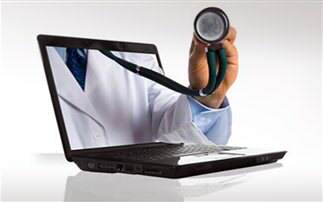
If you live in an isolated area where there is no doctor, then telemedicine may be the “solution” you are looking for in a time of need. The use of new technologies allows for easy communication between the doctor and the patient through the transmission of audio and video. “The ‘virtual doctor visit’ via phone or Skype has begun to gain more and more ground in the medical community,” said Dr. Joseph C. Kvedar, founder and director of the Center for Connected Health in Boston, USA.
Naturally, it will never be able to replace the «traditional medicine», however, it is a way for one to communicate with his doctor in emergency situations, or for the doctor to prescribe medication in cases where the medical problem is not that serious, Kvedar added.
2. Wearable devices
Various gadgets that use sensors to measure your steps, the calories you burn, your heart rate, your body temperature, and even how… you sleep, have begun to flood the market.
“These wearable devices help people monitor their health status in a more fun way,” said Robin Raskin, founder of Living in Digital Times.
3. Applications for “smart” mobile phones
Various applications for smart phones are already being released, with which one can make a “diagnosis” by entering the symptoms they have, to send their blood pressure measurements to their doctor, or calculate the calories of a meal, in order to adhere to their dietary plan.
By 2015, 500 million users of smart mobile phones and devices will use some related «health» application, according to research by esearch2guidance.
4. Medical records
Access to personal health data through free applications from insurance companies offers immediate information about the health status of you and your children.
5. Home Safety
Special sensors offer "help" to mothers raising their children at home, in order to keep them safe inside. From special sensor-alarms for objects and places in the home, which could endanger the child's health, to digital thermometers that "scan" the child's forehead to measure his or her body temperature.
