

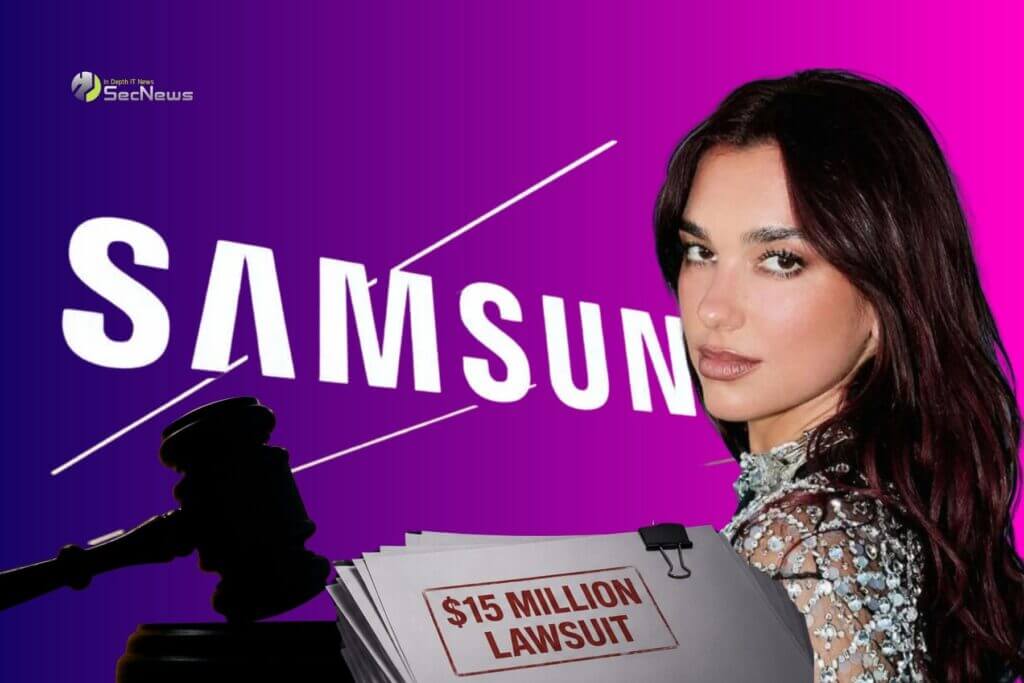
Pop star Dua Lipa has filed a lawsuit against Samsung Electronics for at least $15 million , alleging that the company used her image in promotional material for its televisions without her permission , which the singer says constitutes copyright infringement and commercial exploitation of her personal identity .
The lawsuit was filed in a California federal court and focuses on an image that was allegedly used on product packaging, reinforcing the impression that the artist endorses or collaborates with the brand.
The material in question and the allegation of misrepresentation
According to the lawsuit, the image used depicts Dua Lipa backstage and is titled “Dua Lipa – Backstage at Austin City Limits, 2024.” The singer’s side claims that she owns full rights to the photo and that she did not grant any license to use it for commercial purposes.
See also: Samsung Electronics surpasses $1 trillion, along with TSMC
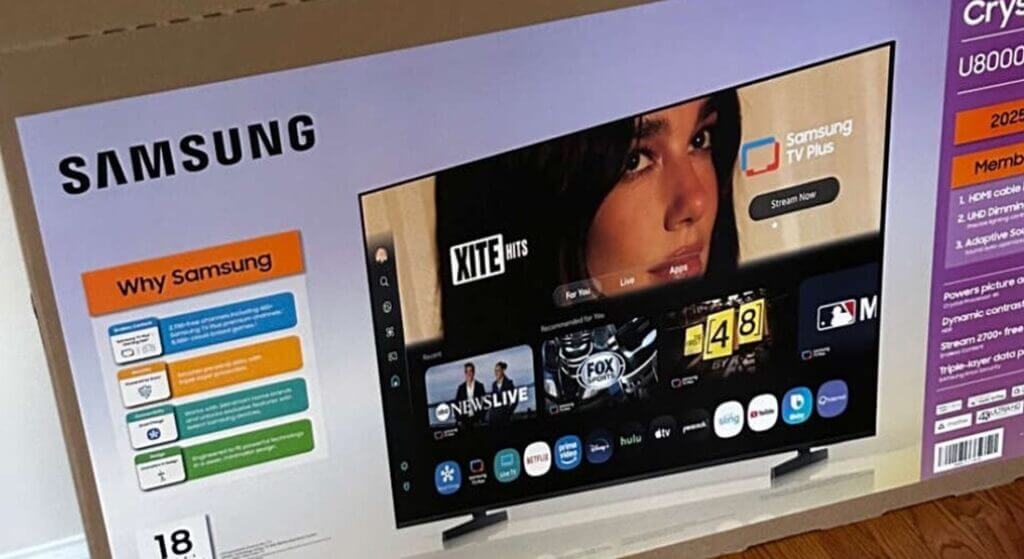
The crux of the case is that the image appeared on the front of television boxes, which, according to the lawsuit, created the impression among consumers that the artist was commercially associated with or endorsed the product.
Legal Arguments: Copyright and Right of Publicity
Dua Lipa's legal team isn't just limited to copyright issues. The lawsuit also includes allegations of trademark infringement and the so-called "right of publicity," the right of a public figure to control the commercial use of their image and identity.
In the US legal framework, and particularly in California, the right of publicity is considered a crucial tool to protect celebrities from unauthorized commercial exploitation. The singer's side argues that Samsung, through this practice, gained commercial benefit by creating a false impression of endorsement.
Social media and "artificial market influence"
A particularly interesting element of the case is the use of social media posts as evidence. Dua Lipa's lawyers provided screenshots of users expressing their intention to buy the television due to the presence of her image.
See also: Samsung warns that RAM shortage could worsen next year
In one typical post, a user states that they would buy the product “simply because Dua is on it.” According to the singer’s legal team, this proves that the image functioned as a marketing tool with a real impact on consumer behavior.

Samsung's stance and the lack of an official response
Samsung Electronics declined to comment publicly, citing the nature of the pending legal proceedings. Dua Lipa's legal representatives have also not provided any additional statements beyond what is recorded in the lawsuit.
According to the information, the artist had already informed the company about the unauthorized use of the image in June of last year and had requested its immediate withdrawal. Samsung, as reported, did not comply with the request.
This case is not just a dispute over a photo. It touches the core of modern marketing, where the image of celebrities is increasingly used to enhance the commercial appeal of products, often at the limits of legality.
In the digital age, where influencer marketing and the aesthetic identification of products with celebrities play a decisive role in sales, such cases create precedents for what is considered "commercial use" and when explicit permission is required.
See also: Google Cast support is rolling out to Samsung TVs
Potential impacts on the technology and advertising industry
If the court rules in favor of Dua Lipa, the ruling could significantly impact how big tech companies use visual content in their packaging and campaigns. It could lead to stricter licensing protocols and greater scrutiny of the use of images featuring public figures.
At the same time, it will strengthen the legal position of artists and creators against companies that exploit their recognition without a formal agreement.
A test of the limits of digital imaging
The case highlights a broader issue: how an artist's image is transformed into a commercial tool in the age of social media and instant content distribution. In the world of technology and marketing, the lines between inspiration, reference, and illegal exploitation are becoming increasingly blurred.
The court is now called upon to decide not only on a specific dispute, but also on how the relationship between advertising, the image and personality of public figures will be defined in the future on a global level.
