

It's finally happening! Artemis II, NASA's first manned mission to the Moon in more than 50 years, is set to launch as early as 6:24 p.m. today (April 1).
See also: NASA: 6 records that Artemis II astronauts will break
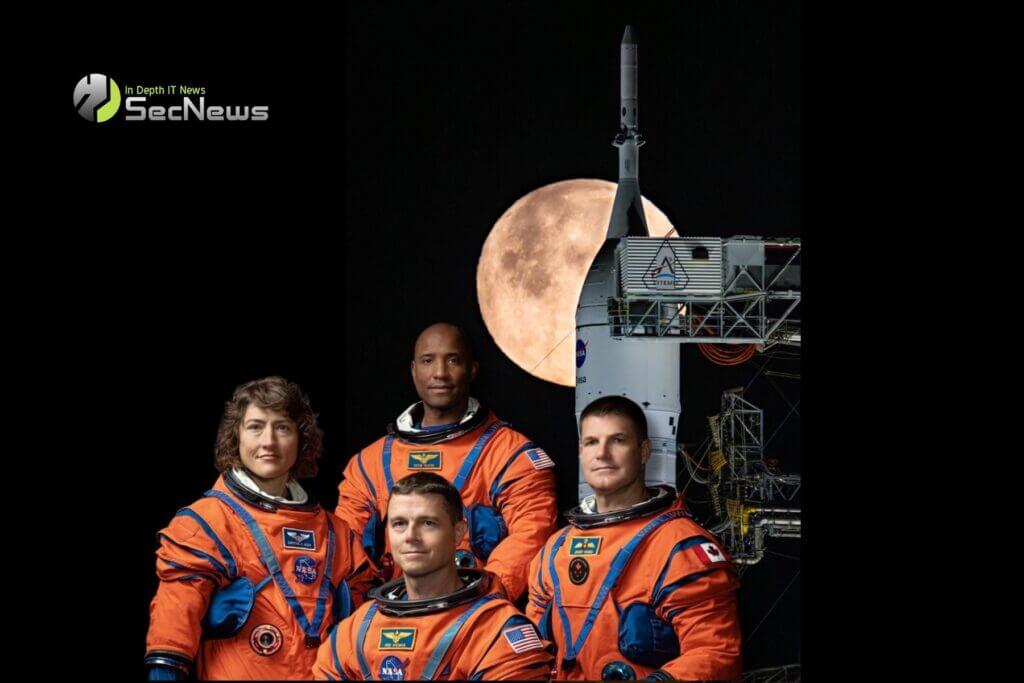
NASA aims to launch the massive Space Launch System (SLS), carrying the Orion capsule with a four-person crew, within a two-hour window that opens at 6:24 p.m. ET. If all goes well, Artemis II will take humans farther into space than ever before, on a 10-day mission around the Moon. The launch will be broadcast live from the Kennedy Space Center in Florida on NASA’s official YouTube, X, Facebook and Twitch accounts. The live stream will also be available on the free NASA+ platform, as well as on other streaming services like Netflix and Amazon Prime.
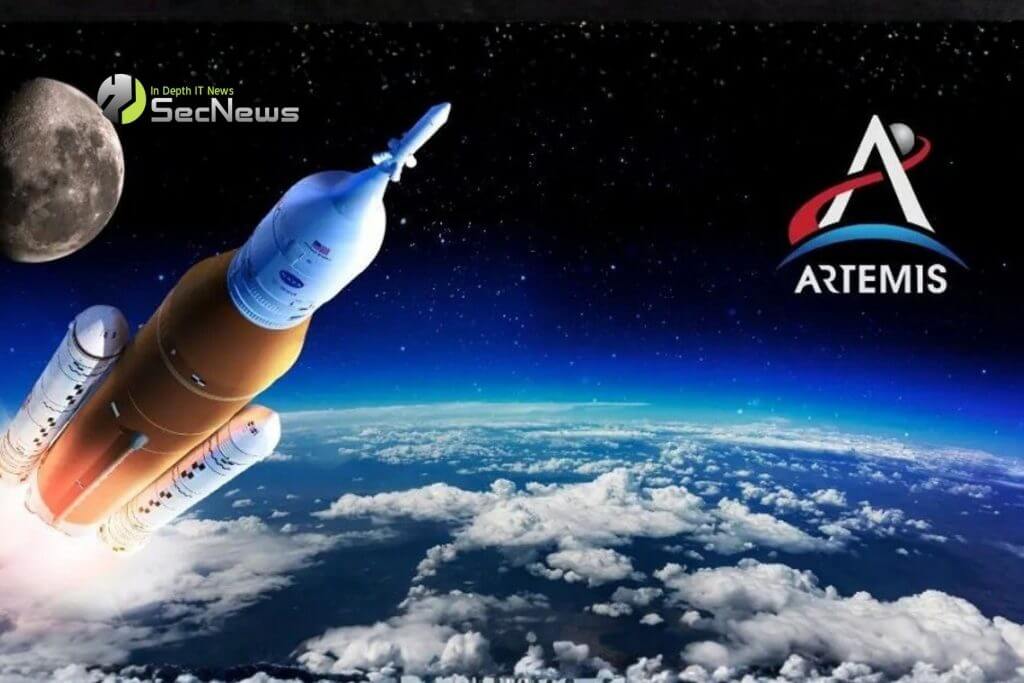
’s live coverage is expected to begin at 12:50 p.m. (EST). The exact launch time cannot be determined with certainty, but if it happens today, it is estimated to take place between 6:24 p.m. and 8:24 p.m. This is an easily accessible live event, as NASA is streaming it for free on multiple platforms, with no account creation, subscription, or ad-viewing required.
See also: Artemis II: NASA returns to the Moon on April 1
Although today is the target, there is no guarantee that the Artemis II launch will actually take place. Space missions are extremely demanding and sensitive processes, and the Artemis program has already faced several delays.
Artemis II's launch windows for April extend from Wednesday through Monday (April 1–6), meaning there is a possibility of launching on any of these days, as well as an additional opportunity on April 30.
NASA will begin its coverage with a live broadcast and commentary of the refueling process, which begins at 7:45 a.m. ET on its YouTube channel. This precedes the main broadcast of the launch, which begins at 12:50 p.m. ET. Once the launch is complete, a press conference will follow about two hours later, which will also be broadcast on the space agency's official channels.
See also: Artemis II: NASA aims for a more realistic approach to returning to the Moon

The launch is just the beginning of NASA's comprehensive coverage of this historic mission around the Moon. Throughout the mission, real-time live coverage will be provided via YouTube, as well as direct conversations with the astronauts and daily updates on the mission's progress.
