

As NASA prepares to send astronauts to the Moon for the first time in more than half a century with the Artemis II mission, it is revising its long‑term plans for Earth's natural satellite.
See also: NASA retests Artemis II mission readiness
Speaking at the Lunar and Planetary Science Conference on Monday (March 16), NASA Deputy Administrator Amit Kshatriyasaid the Artemis II mission remains on schedule for launch on April 1. If successful, the mission will carry astronauts farther from Earth than any previous human flight, surpassing the distance record set by Apollo 13 in 1970.

The mission, lasting about 10 days, will carry Commander Reid Wiseman, Pilot Victor Glover , and Mission Specialists Christina Koch and Jeremy Hansen into orbit around the far side of the Moon. At closest approach, the Moon will appear to them about the size of a basketball held at arm's length. From this position, the astronauts will record a variety of surface features, including areas that scientists believe have never been observed by humans.
See also: Hydrogen leak delays Artemis II launch again
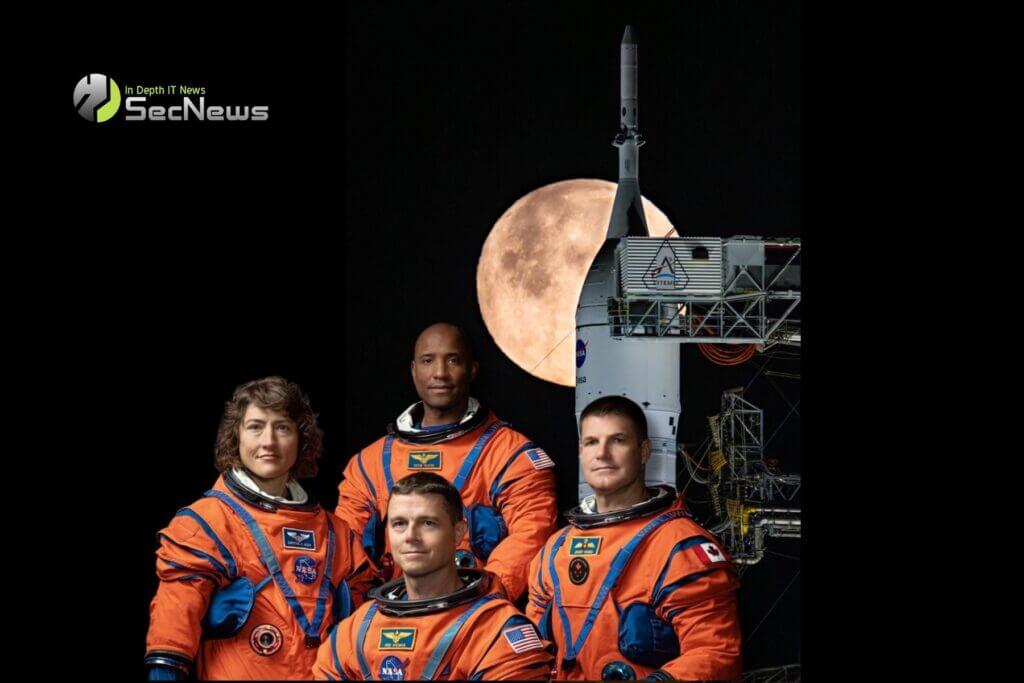
The Artemis II crew may spend up to six hours on observations, using portable Nikon cameras, recording verbal descriptions and creating sketches and notes on tablets. Although many lunar targets are large or easily recognizable, scientists are particularly interested in subtle variations in color, lighting and texture — elements that human perception can render in ways that instruments may not fully capture, according to Deutsch.
To support this effort, NASA has developed an interactive lunar atlas so that the crew can identify priority targets based on lighting and visibility conditions during the pass. The final observation plan will be uploaded after launch, once the spacecraft's exact trajectory is confirmed, as Deutsch noted.
See also: Artemis 2 moon: NASA's rocket in launch position
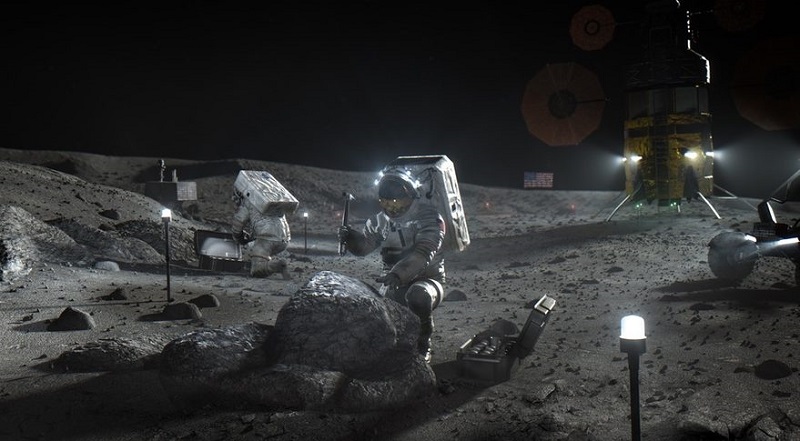
Preparation for Artemis II includes three years of training based on Apollo-, with a particular emphasis on field geology, as well as an intensive “Lunar Basics” program designed to enhance the vocabulary and observational skills needed to describe the Moon from orbit, said Cindy Evans of the Johnson Space Center in Houston, who led the crew’s geology training program.
