

Blue Origin is temporarily putting the brakes on space tourism . Jeff Bezos ' aerospace company announced on January 30 that its New Shepard suborbital vehicle will remain grounded for at least two years as the company reallocates resources to a much more ambitious goal: its participation in returning humans to the Moon .
The decision marks a clear strategic shift. Instead of short recreational flights to the edge of space, Blue Origin is choosing to invest in deeper space missions, aligning its plans with NASA's Artemis program
Blue Origin: Lunar-Oriented Resource Reallocation
According to an official statement from the company, the suspension of New Shepard flights will allow Blue Origin to “shift resources to accelerate the development of its human lunar capabilities.” As noted, this decision is directly linked to the US national goal of returning to the Moon and establishing a permanent, sustainable human presence there.
See also: Blue Origin: A person in a wheelchair travels into space!
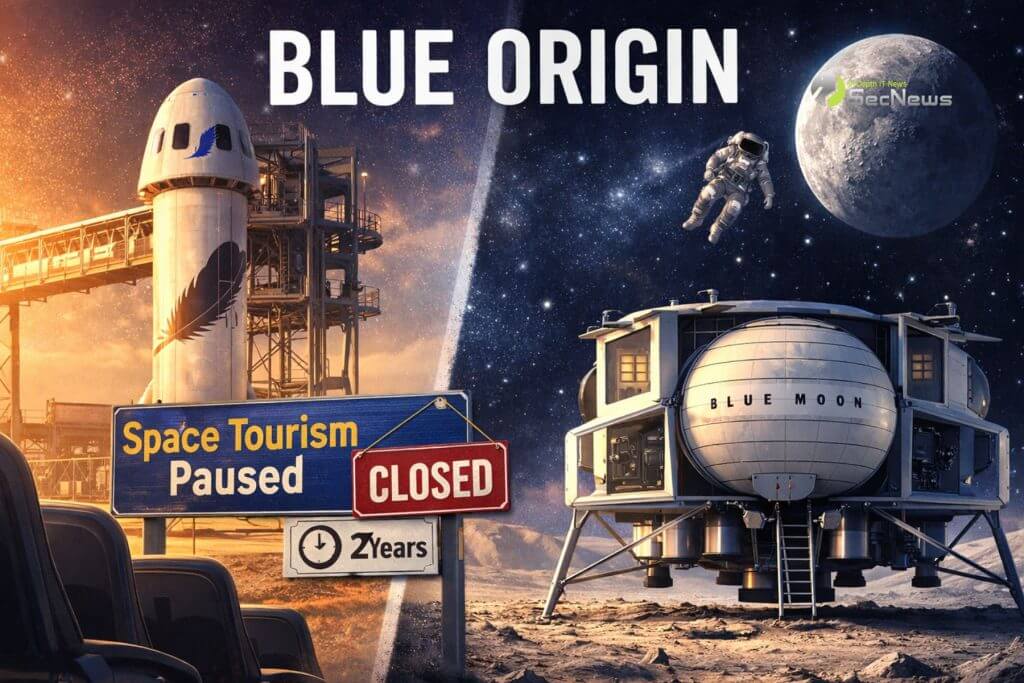
Behind the diplomatic formalities, the essence is clear: Blue Origin is choosing to play at a more demanding, but also more strategically critical level, where billion-dollar contracts and the future architecture of human space exploration are at stake.
Blue Moon and the Artemis mission gamble
Central to these plans is the Blue Moon lunar lander . Blue Origin has secured a contract with NASA to land astronauts on the Moon, and if the schedule holds, the first manned Blue Moon mission will take place as part of Artemis 5 , which is targeted for launch in 2029.
However, the company doesn't plan to wait until then to test its capabilities. In 2026, it plans to launch a robotic demonstration, with a Pathfinder model of the Blue Moon, which will attempt to land on the lunar surface. This is a critical step, as it will test the descent, landing and operation systems in the demanding environment of the Moon.
See also: NASA Artemis 2: Astronauts quarantined shortly before launch
Where is the rest of the Artemis program?
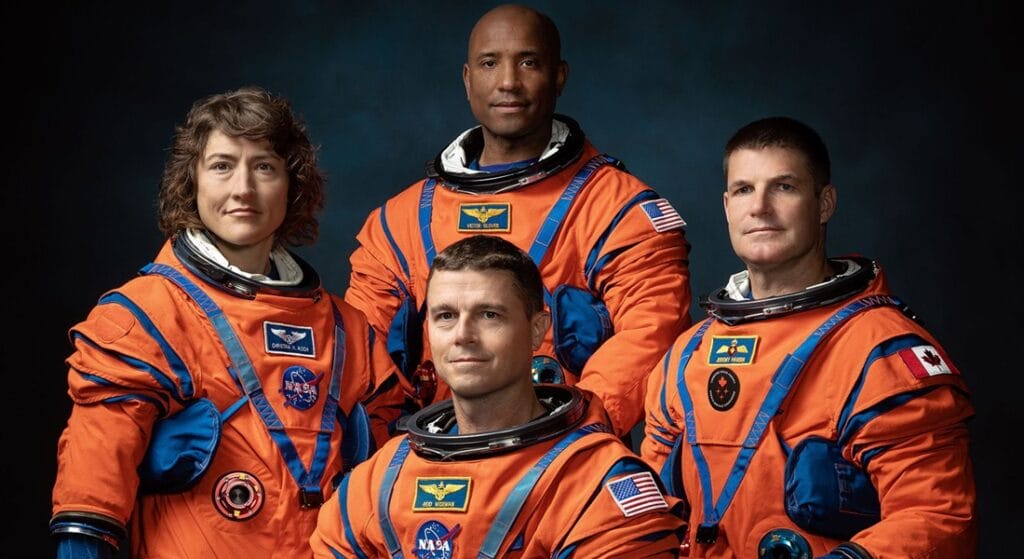
Meanwhile, the Artemis program is moving forward on multiple fronts. Artemis 2, the program's first crewed mission, is expected to fly around the Moon, with a possible launch date as early as February 8. The Artemis 3 and Artemis 4, which will return humans to the lunar surface, have selected SpaceX's Starship as their landing vehicle, leaving Blue Origin in a secondary role for now.
This makes Blue Moon's success even more critical, as Bezos' company is called upon to prove that it can compete with SpaceX on highly complex missions.
The Legacy of New Shepard
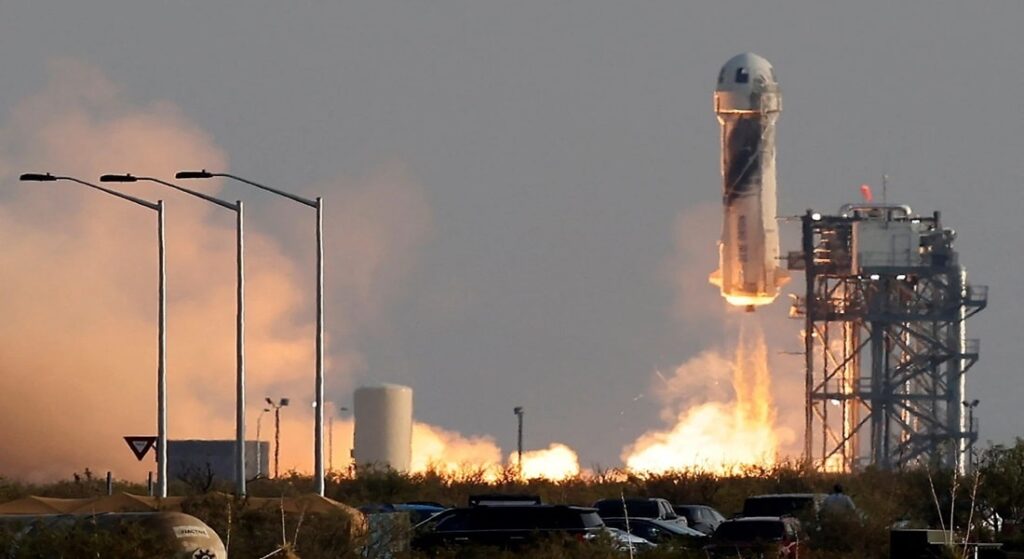
New Shepard has been Blue Origin's most visible and public face to date. The reusable rocket and capsule combination made its maiden flight in April 2015 and has since completed 38 missions, 17 of which were manned.
In total, 92 people have flown on New Shepard on suborbital flights, experiencing a few minutes of weightlessness and enjoying the view of Earth from the darkness of space. The most recent mission, NS-38, took place just last week.
See also: Artemis 2 moon: NASA's rocket in launch position
What the pause means for space tourism
Each New Shepard flight lasts about 10 to 12 minutes, offering a short but intense space experience. Although Blue Origin has never officially revealed the cost of tickets, it is believed to have been aimed at an extremely limited, affluent audience.
The two-year hiatus doesn't mean the end of space tourism for the company, but it does make its priorities clear. At this point, Blue Origin is choosing to trade the glamour of tourist flights for the long-term prestige of participating in the next era of human presence on the Moon. And this, for Jeff Bezos, may be the most ambitious journey of all.
