

Sodium-ion batteries are expected to be one of the main competitors to lithium-ion batteries in terms of performance. Innovations in these areas could improve the energy density and overall performance of sodium-ion batteries, making them more competitive in the EV market.
See also: Canada begins importing Chinese electric vehicles
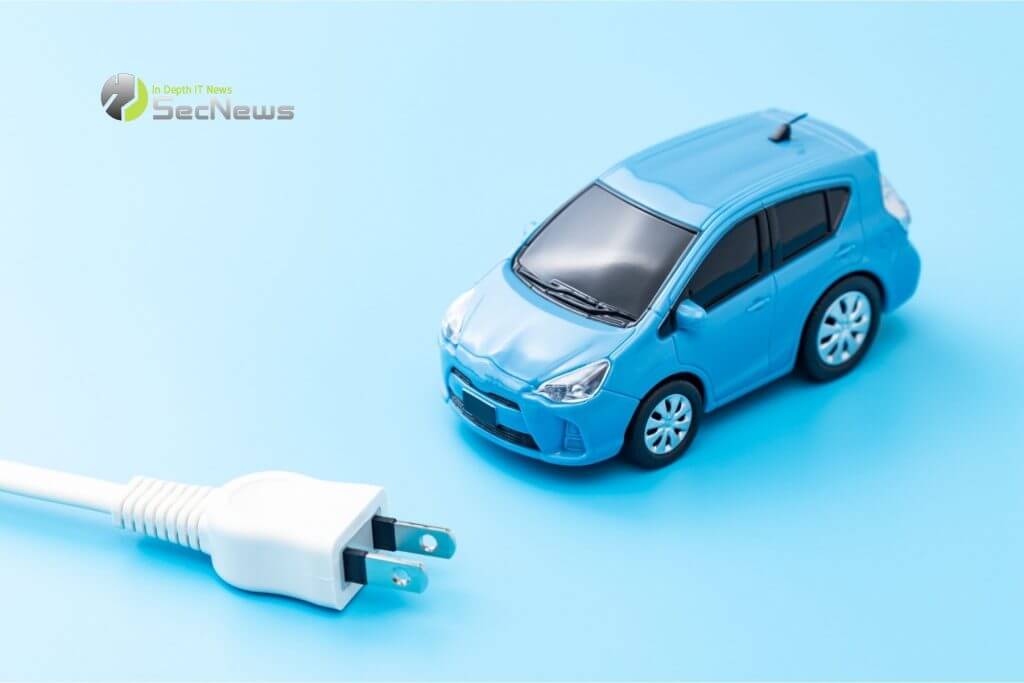
In addition to sodium-ion technology, other alternatives to lithium-ion batteries are being explored. Solid-state batteries, which use a solid electrolyte instead of a liquid, promise higher energy densities and improved safety. Companies such as Toyota and QuantumScape are investing heavily in this technology, with the goal of bringing solid-state batteries to market in the coming years.
The shift towards alternative battery technologies is also influenced by environmental concerns. The mining of lithium and cobalt, key ingredients in lithium-ion batteries, raises significant ethical and ecological issues. As a result, there is growing pressure for more sustainable battery solutions that minimize environmental impact.
Overall, the electric vehicle battery landscape is evolving rapidly. With advances in sodium-ion technology, solid-state batteries, and a focus on sustainability, the future of electric vehicles looks promising. As these technologies mature, they could lead to more affordable and efficient electric vehicles, further accelerating the transition to cleaner transportation.
Sodium-ion battery technology, although still in its early stages, shows significant promise. Researchers are working to overcome challenges related to energy density and battery life. The ability to use more abundant and less expensive materials, such as sodium, could reduce production costs and make these batteries more sustainable.
See also: EV sales growth accelerated in 2025

Solid-state batteries, on the other hand, promise to revolutionize the market with their ability to offer greater safety and increased energy density. The absence of liquid electrolyte reduces the risk of leaks and fires, making these batteries safer for use in electric vehicles. Despite challenges in production and scaling, investment in this technology continues unabated.
Sustainability is also a key factor in the evolution of battery technologies. The mining of lithium and cobalt has been linked to environmental damage and social inequalities. Developing alternatives that use more abundant and less harmful materials is critical to reducing the environmental footprint of battery production.
As these technologies continue to evolve, we can expect to see significant changes in the electric vehicle market. New batteries could offer longer range, faster charging and lower costs, making electric vehicles more affordable and attractive to consumers. The shift to more sustainable solutions will also help reduce carbon emissions and meet climate change goals.
See also: Volvo shows off the range and charging speed of the EX60
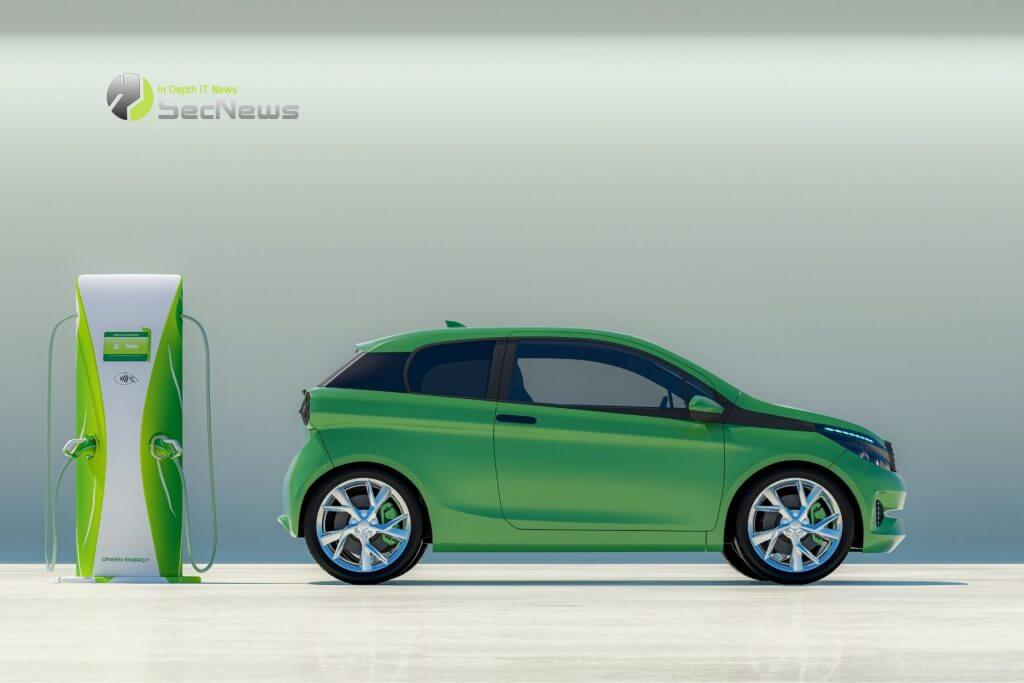
The future of electric vehicle batteries is bright, with technology constantly evolving and offering new possibilities for cleaner and more efficient transportation. The industry is at a critical inflection point, with new technologies promising to change the landscape of mobility and lead to a more sustainable and green era.
