

Artificial intelligence (AI) is no longer just a tool that performs calculations or analyzes data. Today, AI research has expanded into more complex and sensitive areas, such as the recognition and processing of human emotions. The so-called “affective computing” or emotion technology, aims to develop systems that not only perceive but also respond to emotional states, opening up a new world of interaction between humans and machines.
See also: Data theft with AI: is Automated data poisoning the solution?

The idea that machines can “understand” human emotions is based on a combination of sensors, machine learning algorithms, and data analytics. By detecting facial expressions, voice tone, body movements, or even handwriting, algorithms can identify cues that indicate joy, sadness, anger, or anxiety. This allows machines to adapt their interactions based on the user’s psychological state, creating a more natural and human experience.
See also: Artificial Intelligence in the daily lives of teenagers

The application of this technology is already visible in many areas of everyday life. In education, intelligent systems can detect a student's frustration and adapt teaching to make it more understandable. In healthcare, emotion analysis can help monitor mental health, detecting early signs of anxiety or depression. Even in the advertising space, companies are using Emotion AI to adapt their messages according to the audience's reaction, aiming for greater effectiveness and engagement.
However, this affective computing technology also brings significant ethical challenges. The ability to detect and exploit human emotions raises questions about privacy and manipulation. There is a risk that machines could be used to influence decisions or behaviors without people's conscious consent, which requires strict rules and ethical frameworks for the responsible use of technology.
See also: How Artificial Intelligence is changing our lives in the new year
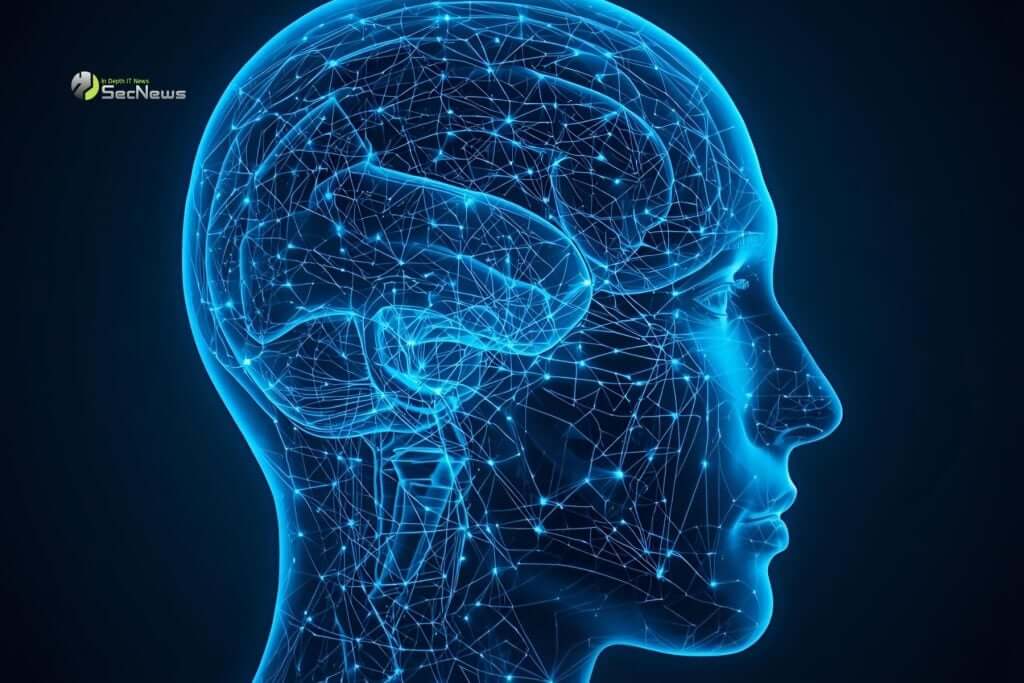
Despite the challenges, research continues apace, and the ability of machines to understand and interact with human emotions is opening up a new avenue in our daily lives. Artificial intelligence that learns to “read” emotions is not just a technical innovation; it is a bridge between human psychology and digital technology, promising to transform the way we communicate with the systems around us.
