

MIT researchers have developed a device that collects moisture from the air and turns it into drinkable water in minutes. The team hopes that the technology could one day provide clean water to communities where natural resources are limited.
See also: Candela P-12 electric flying boats take off in the Maldives
Atmospheric water harvesting (AWH) systems work by extracting moisture from the air and condensing it into water. They typically rely on either cooling moist air or porous materials, called “sorbents,” that absorb water vapor and then release it to condense into droplets.
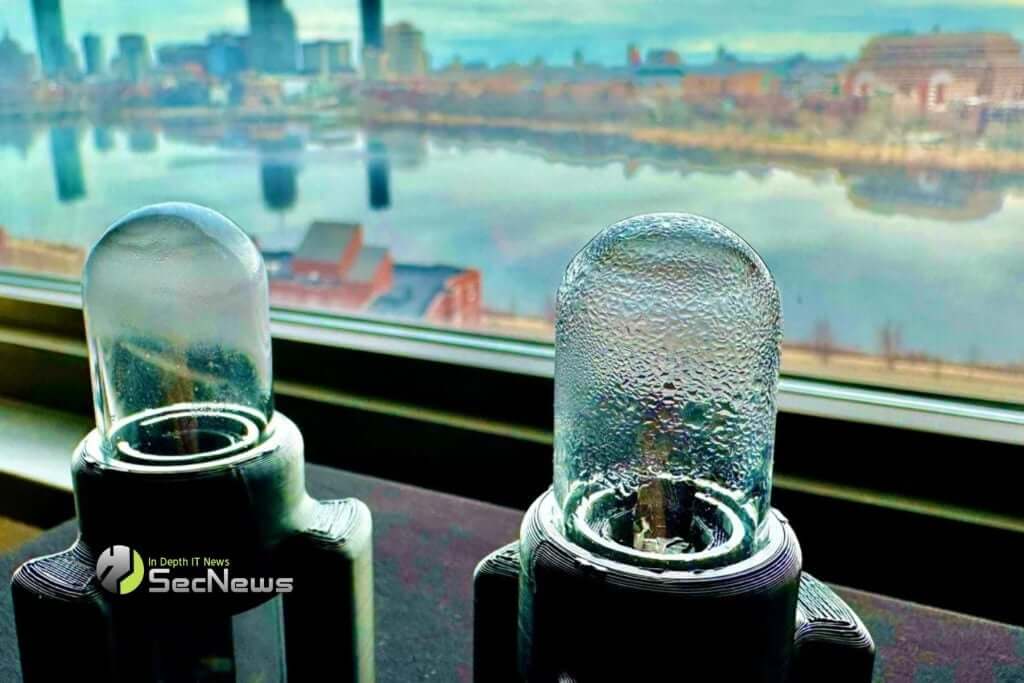
The problem is that existing AWH devices use solar energy to evaporate water from the sorbent, a process that can take hours or even days. This limits their effectiveness in dry or polluted environments, as well as in areas where there is no seawater for desalination. The new MIT device, however, uses ultrasonic waves to “shake” moisture from the sorbent. The released moisture is directed through small nozzles at the base of the device, where it is collected and used.
According to the researchers, their ultrasonic prototype is 45 times more efficient at extracting water compared to simple evaporation. Their findings were published November 18 in the journal Nature Communications.
See also: The Walk Me robotic chair takes you wherever you want
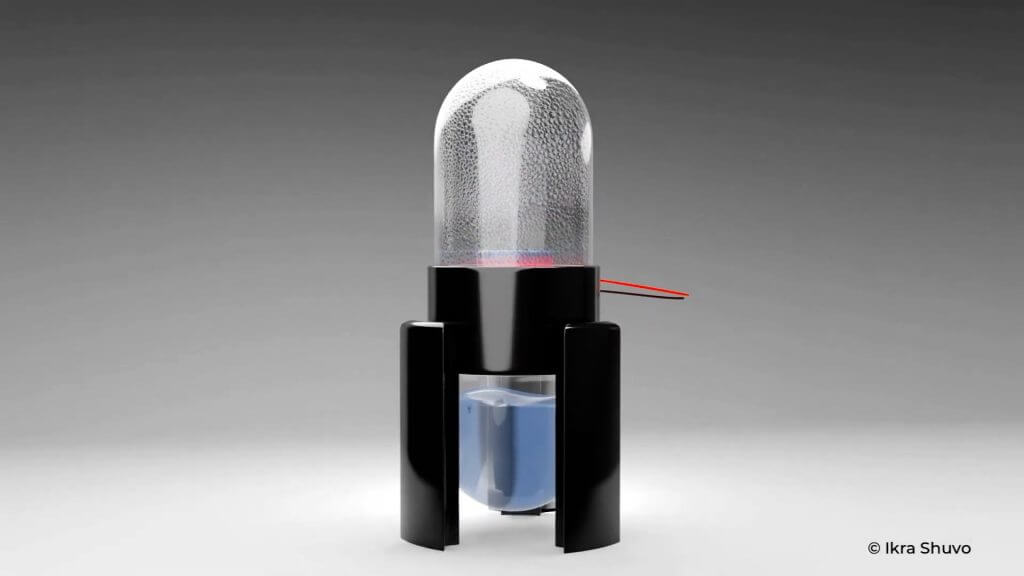
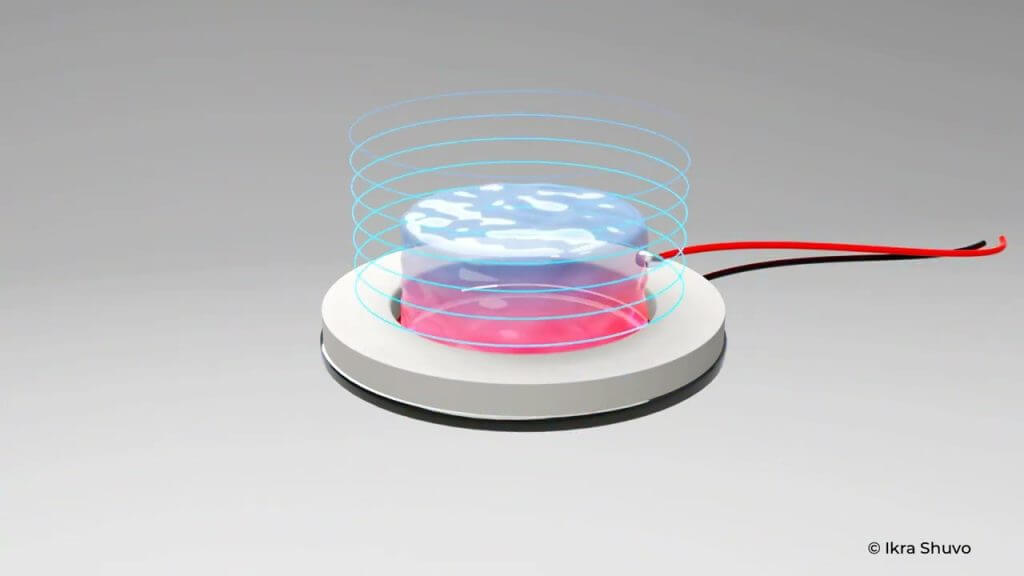
The MIT approach uses ultrasound — sound waves with frequencies above 20 kHz, beyond the range of human hearing — to release moisture from the sorbent. At the heart of the AWH device is a flat ceramic ring that vibrates when a voltage is applied to it. The researchers found that the high-frequency pulses were ideal for “breaking” the weak bonds between the absorbed water and the surface of the material.
The tests were conducted by placing sorbent samples about the size of a coin in a humidity-controlled chamber. Once the samples were collected, they were transferred to the ultrasonic actuator and subjected to high-frequency vibrations. In each case, the device was able to remove moisture from the samples in just a few minutes.
See also: MIT: A bionic knee restores natural movement
The researchers suggest that their device could be combined with a small solar cell that would also act as a sensor, detecting when the sorbent is full. This could trigger a release cycle, allowing the system to collect and deliver water multiple times a day.
