

Nvidia is once again changing the computing landscape, launching this week the DGX Spark , a “ personal AI supercomputer ” that aims to do what the laptop did for personal computers — bring the power of AI data centers to the hands of the average user .
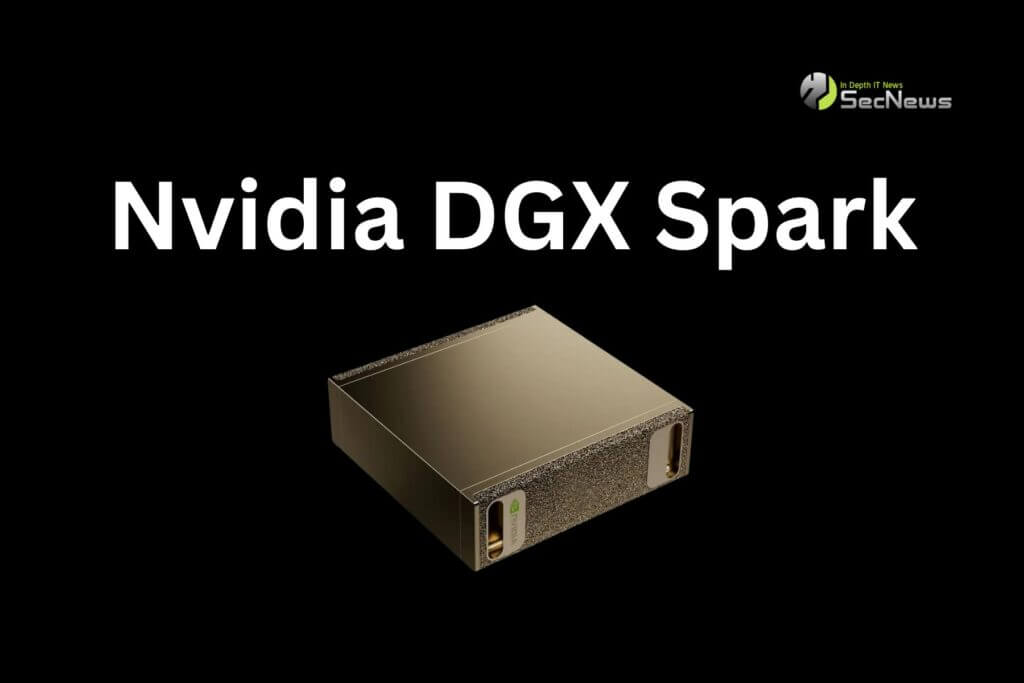
Spark is powerful enough to run the most demanding AI models, yet small enough to fit on a regular desk. With this product, Nvidia aims to democratize access to AI and give researchers, developers, and students a data center-grade tool in their office.
Available from October 15 – at a higher than expected price
Nvidia announced that DGX Spark will be available for order starting Wednesday, October 15th via nvidia.com, as well as from select resellers and partners in the United States.
See also: MAI-Image-1: Microsoft's first AI image creator
When the Spark (then called “Digits”) was first announced, the company had listed a price of around $3,000 , but the cost eventually rose to $3,999 , according to Nvidia’s official infographic. Custom versions from other manufacturers — like the Acer Veriton GN100 , which also costs $3,999 — follow in the same price range
Desktop-sized supercomputer features
DGX Spark incorporates the new Nvidia GB10 Grace Blackwell Superchip, the same architecture used in world-class data centers. It features 128GB of unified memory and up to 4TB of NVMe SSD storage, enabling processing of massive data sets at speeds that previously required multi-million dollar equipment.
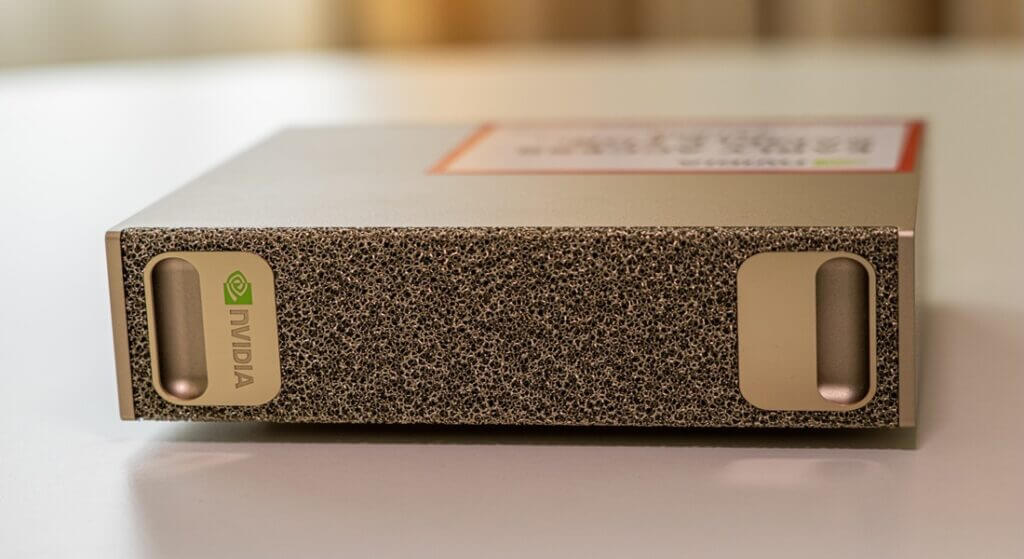
Its performance reaches 1 AI petaflop. Simply put, Spark can handle AI models with up to 200 billion parameters — everything needed for advanced natural language processing systems, image analysis, or generative model .
Despite its power, Spark runs off a regular wall outlet, is silent, and takes up about the same space as a mid-sized desktop tower. It's no coincidence that Nvidia calls it "the world's smallest AI supercomputer.
Jensen Huang's vision: AI for everyone
Nvidia CEO Jensen Huangsaid earlier this year that Spark represents “a turning point for AI.” He said, “Putting an AI supercomputer in the office of every data scientist, researcher, and student empowers them to participate in and shape the AI era.”
See also: California: Governor Gavin Newsom signs AI law
With Spark, Nvidia aims to make developing and training AI models accessible without relying on cloud infrastructure. The move comes at a time when processing power has become a critical factor in AI innovation, and where cloud computing costs are rising dramatically.
Partner ecosystem and new releases
Nvidia has opened up the Spark ecosystem to third-party manufacturers. Acer, Asus, Dell, Gigabyte, HP, Lenovo, and MSI have already announced their own versions of the machine, based on Nvidia's design but with individual optimizations for different needs.
Some editions are aimed at universities and research labs, while others are intended for small software development companies or startups that need local AI power without relying on the cloud. Spark paves the way for a new kind of “AI workstation,” which could fundamentally change the way teams work on machine learning projects.

From Spark to Station: The Future of Personal Supercomputing
Nvidia also mentioned a "big brother" to the Spark, called DGX Station, although there's no word on its release date yet. It's speculated to feature multiple Grace Blackwell Superchips and be aimed at enterprise environments.
See also: Nvidia to invest up to $100 billion in OpenAI
If Spark succeeds in establishing itself, it could open up a whole new market segment: that of the personal AI supercomputer, a tool as powerful as a server but affordable and ergonomic for office use.
In an era where artificial intelligence is permeating every aspect of everyday life, Nvidia isn't just bringing a new computer. It's bringing a new philosophy — where AI won't just belong in data centers, but in the hands of those who create it.
