

Microsoft is preparing to proceed with a new wave of layoffs, focusing – but not exclusively – on sales departments (according to a Bloomberg News).
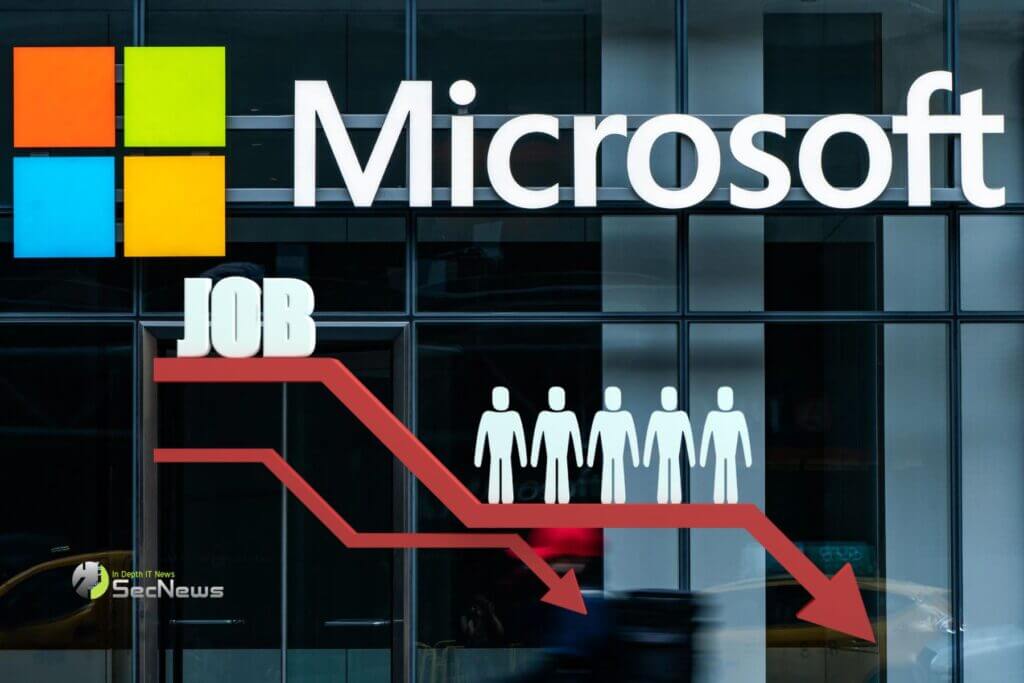
The layoffs follow a previous wave in May that affected about 6,000 employees. The tech giant is restructuring its workforce as it ramps up investments in artificial intelligence, aiming to strengthen its position in the global market.
See also: Amazon: AI will lead to staff reductions
Official announcements about the new cuts are expected to be made in early July, once the company's fiscal year is complete. While the bulk of the layoffs appear to be in sales, reports indicate that other business units will also be affected.
Microsoft had about 228,000 employees by June 2024. Although the company has not officially commented on the report, the layoffs are likely, as they are part of a broader wave of restructuring in the technology sector, where artificial intelligence is redefining structures, roles and needs. Amazon CEO Andy Jassy said that the spread of generative AI systems and automated agents in the company will lead to a reduction in the corporate workforce in the coming years.
See also: Amazon: Layoffs coming in the Devices and Services division
The rumor of new layoffs at Microsoft – especially at a time when it is investing aggressively in artificial intelligence – clearly shows the company's repositioning strategy: less human resources in traditional functions, more resources for cloud, AI and automation.

From a business perspective, it's a predictable move. Microsoft wants to stay ahead of the curve in the race for AI dominance, investing tens of billions in data centers, infrastructure, and models. But that means "purging" parts that aren't directly tied to its AI-first strategy.
See also: Chegg to lay off 248 employees due to AI
From a social perspective, it’s a grim reminder of how technological advances – especially in artificial intelligence – are already starting to translate into job losses. While we’re not (yet) talking about automation on a scale that eliminates hundreds of thousands of jobs, the pattern is clear: companies are downsizing as they rely more on “smart” infrastructure.
Source: Reuters
