

Whale-phishing attacks (also known as whaling attacks ) are a sophisticated form of phishing that targets high-ranking individuals in organizations, such as directors, CEOs, CFOs, and other high-ranking employees. The name “ whale ” refers to the fact that the “big fish” (i.e. high-ranking individuals) are the primary victims of these attacks.
See also: Morphing Meerkat: New phishing kit imitates 114 brands
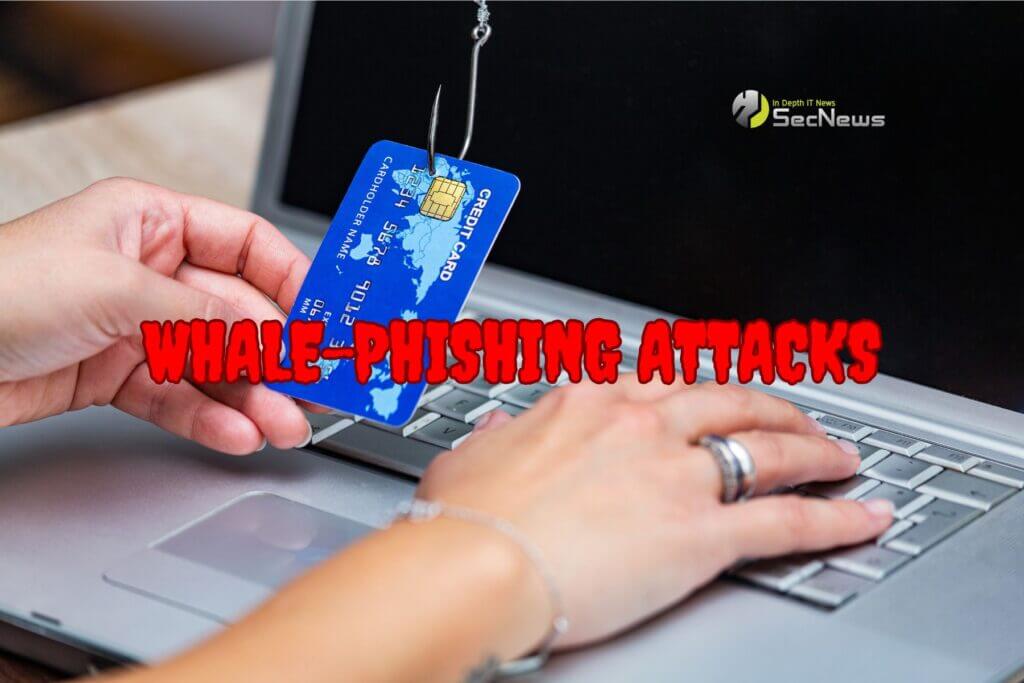
How they work:
In the case of whale-phishing, attackers typically exploit the prestige and influence of their targets to steal sensitive information or extort money. These attacks are typically more sophisticated and targeted than general phishing attacks. Attackers often use customized and personalized messages (email or other forms of communication) that appear trustworthy and are often sent from addresses that appear to be official.
What do they affect:
Whale-phishing attacks typically aim to:
- Sensitive corporate information: They use information gathered about victims to create a persuasive message.
- Money: They may request money transfers or other financial transactions.
- Corporate governance: They can compromise accounts related to strategic data, such as accounting systems, project management systems, etc.
See also: Signal phishing attacks target the Ukrainian military

How to protect yourself:
To protect yourself from whale-phishing attacks, you can follow the following strategies:
- Training and awareness: Conduct regular training for members of the organization, especially senior executives, on recognizing email fraud (phishing).
- Use 2FA: Enable two-factor authentication to secure access to sensitive systems.
- Evaluate sender addresses: Always confirm the sender address, especially if the message requests sensitive information or money.
- Identifying suspicious content: If the message seems unexpected or asks for immediate action (e.g., payments or changes to procedures), it is likely phishing.
- Confirm through another communication channel: If you receive a suspicious message from a senior executive, contact them via phone or another reliable method to confirm the authenticity of the request.
- System and security upgrades: Ensure that security systems, such as antivirus and firewall software, are always up to date.
See also: USA: Phishing messages with alleged parking fines
It is important to always be suspicious and follow the above precautions, especially if you are in a position that could be a target of these attacks.
