

Archaeologists in Mexico have discovered a mysterious underground structure with painted walls, hidden beneath a Mayan "courtyard."
See also: 4,000-year-old skulls show that Ancient Egyptians tried to treat brain cancer
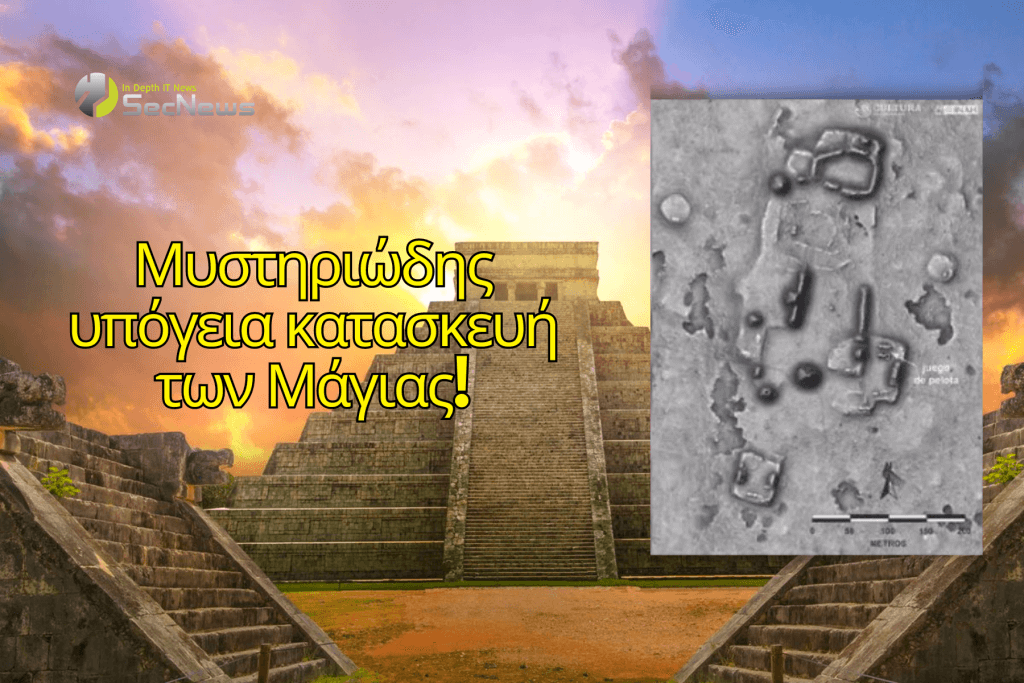
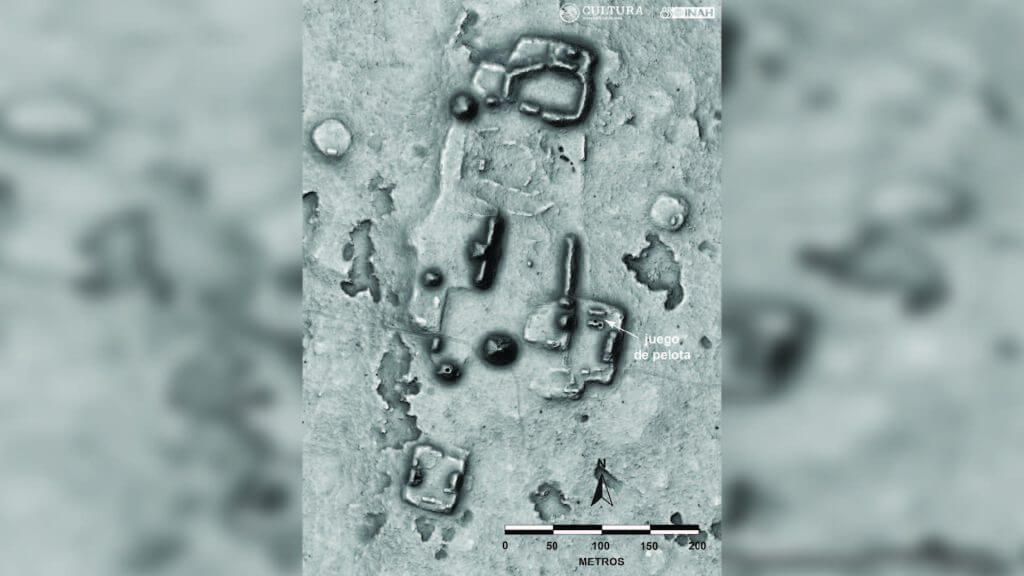
The team found the underground structure while excavating the ball court, the playing area for a ceremonial ball game played by the Maya and other Mesoamerican peoples
"Wefoundparts of an earlier building that had painted walls, but only further excavations can reveal the shape of this building and what its function was," said Ivan Šprajc, an archaeologist at the Institute of Anthropological and Spatial Studies in Slovenia and leader of the excavation.
The find is “ obviously a very important structure, because ball courts are usually only found at large Maya sites, which were centers of regional political organization ,” Šprajc said. The underground structure could date to the Early Classic period (200-600 AD) of the Maya and is covered with a layer of painted stucco, according to a translated statement from Mexico ’s National Institute of Anthropology and History .
See also: Ancient tomb found in Panama with gold and human remains
Previously, Šprajc and his colleagues surveyed a large area of the Maya Plains in the Mexican state of Campeche with lidar, a technique that shoots millions of laser pulses from an aircraft. These pulses then bounce off the ground and return to the aircraft's engine, allowing researchers to map the topography of the landscape.
In addition to the Mayan underground structure, the team discovered another site that includes a plaza, a 16-meter-high pyramid, and a rectangular water tank. At the top of the pyramid, archaeologists found some offerings: ceramic vessels, a ceramic animal foot, possibly from an armadillo, and a knife or spear.
These offerings “were deposited on top of the temple during the Late Postclassic period (last centuries before the arrival of the Spanish)” from 1250 to 1524, Šprajc said.
See also: Huge 1,800-year-old Roman military base discovered
By the Late Postclassic period, the Maya central plains had already fallen into political disarray. But people “remained in the region after the crisis that led to drastic demographic decline in the 9th and 10th centuries, caused by overpopulation, soil depletion, climate change (prolonged droughts), and destructive warfare,” he said.
Source: livescience
