

Research and analysis of archaeological finds have shown that the ancient Egyptians performed medical treatmentssimilar to some of those performed by doctors today. In fact, the cancer brain, despite the absence of the tools and powerful anesthetics we have today.
In a study published in the journal Frontiers in Medicine, an international team of scientists reports that they found evidence of attempted surgical interventions on the two human skulls.
"We see that although the ancient Egyptians were able to treat complex skull fractures, cancer was still a frontier of medical knowledge," said Tatiana Tondini, a researcher at the University of Tübingen in Germany. "We wanted to learn about the role of cancer in the past, how prevalent this disease was in antiquity, and how ancient societies interacted with this pathology."
See also: New cancer drug: What role does calcium play?

The research team examined two skulls held in the Duckworth Collection at the University of Cambridge. One skull, Skull 236, dates to between 2687 and 2345 BC and belonged to a man aged 30 to 35. Skull E270 dates to between 663 and 343 BC and belonged to a woman who was over 50 years old.
Examining Skull 236, the researchers observed a large lesion consistent with excessive tissue destruction—a condition called neoplasm. They also located about 30 small, rounded metastatic lesions scattered throughout the skull.
What's interesting about this skull is that several cut marks were found around these injuries. Scientists believe that these marks were likely made by a sharp object, as part of a surgical procedure on the man's brain .
"It appears that the ancient Egyptians performed some type of surgery related to the presence of cancer cells, demonstrating that ancient Egyptian medicine also conducted experimental treatments or medical explorations in relation to cancer," said Albert Isidro, a surgical oncologist involved in the study.
See also: Anesthetic kills cancer cells through specific mechanisms
The female skull (Skull E270) had a large lesion that was likely a cancerous tumor that led to bone. Skull E270 also had two healed lesions from traumatic injuries. One of the injuries appears to have been from a violent blow at close range, with a sharp weapon. These healed wounds may indicate that the individual had received some type of treatment.
However, seeing such a wound on a female specimen is unusual, as most violence-related injuries in archaeology are found on male skeletons.
Studying skeletal remains comes with many challenges, and it is difficult to pinpoint exactly what happened. The remains are often incomplete and typically do not come with a known clinical history. Further studies on other samples could help unravel more of the ways in which ancient societies dealt with cancer.
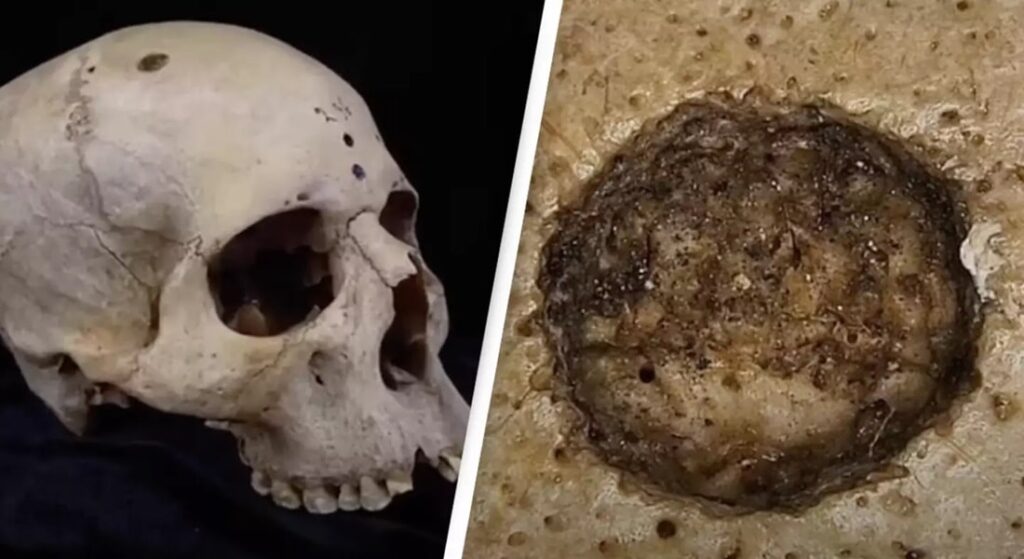
However, this find is unique evidence of how ancient Egyptian medicine would have attempted to treat cancer more than 4,000 years ago.
The discovery of these surgical procedures provides valuable insights into ancient medical practices and the level of understanding they had about complex medical conditions such as brain cancer.
See also: AI-powered mammography detects breast cancer
The ancient Egyptians may not have had access to the same resources we have today, but their efforts to treat various medical conditions showed a remarkable determination to find solutions to health. By studying their techniques and methods, we can gain valuable insights into ancient practices and continue to improve our understanding and treatment of brain cancer.
Source: www.popsci.com
