

Scientists have created a humanoid robot, Emo, that can predict a person's smile a second before the person smiles. It then imitates the smile.
The development of artificial intelligence and robots is rapid, with companies showing off more and more impressive products. Humanoid robots are certainly one of the most interesting achievements and many robotics are investing in them. So far, we have seen impressive things, with robots imitating movements and human language. However, for now, it is not so realistic to reproduce the more complex, non-verbal elements required in human communication.
See also: Dubai tests AI robots to detect traffic violations
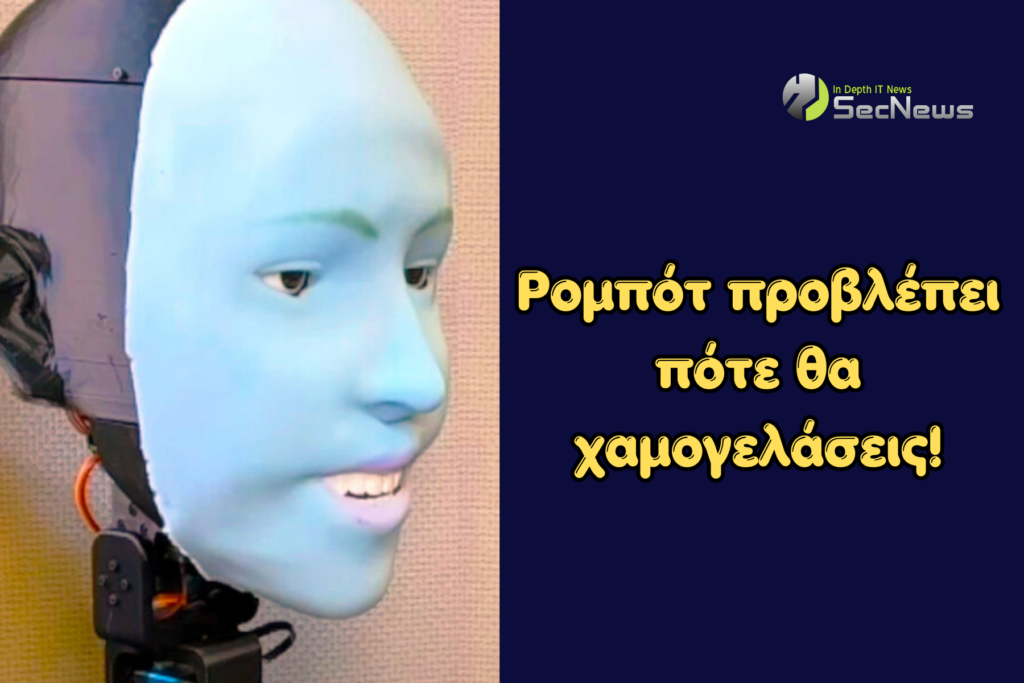
Hod Lipson and his colleagues at Columbia University in New York have created a robot called Emo that uses models AI and high-resolution cameras to predict and replicate people's facial expressions. The robot can predict a smile about 0.9 seconds before it happens and will smile at the same time.
The humanoid robot Emo's face features cameras in its eyes and flexible plastic skin, powered by 24 separate motors attached to magnets. It uses two neural networks: one to see human faces and predict their reactions, and a second to determine how to produce the expressions on its face.
See also: Unitree H1: Is it the fastest humanoid robot?
The first neural network was trained using YouTube of people making faces. The second was trained by having the robot itself make faces on a live camera feed.
“It’s like a person in front of a mirror,” Lipson said.
Lipson and his team hope that Emo 's technology will improve human-robot interactions. They plan to increase the range of expressions the humanoid robot can make (beyond smiling) and train it to make expressions in response to what people say, rather than simply imitating a person.
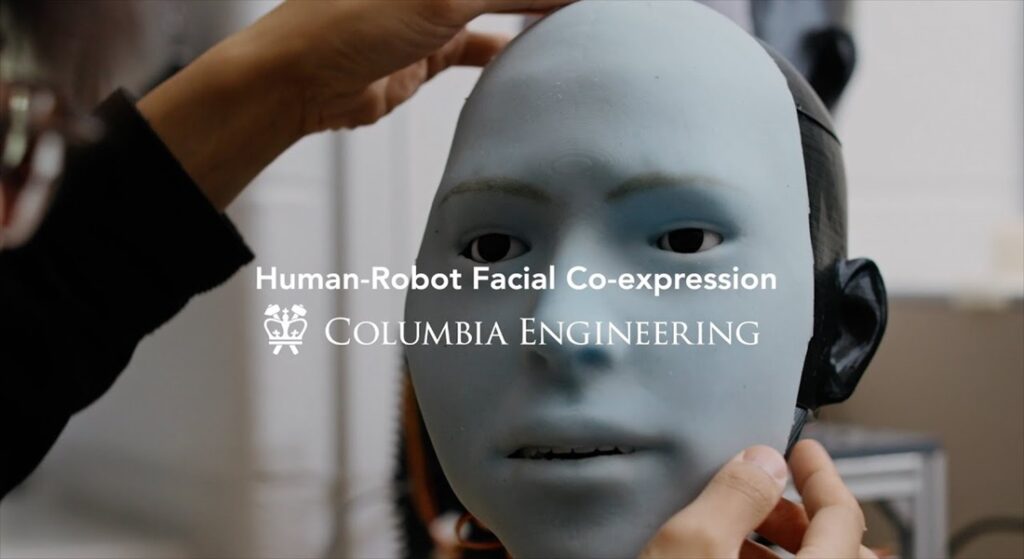
Such capabilities will enhance AI-human interaction, as robotic forms will be able to respond to human emotional expressions with greater accuracy. This could lead to more natural and comfortable interactions with each other.
See also: The Figure One robot will do the housework for you
The ability to predict and copy human smiles can help AI robots better understand human behavior and emotions.
Furthermore, this capability can expand applications AI, such as psychotherapy, healthcare, and education.
Finally, public perception of AI may be improved, as the ability of robots to reflect human emotions can make them appear more friendly and approachable.
Source: www.tomorrowsworldtoday.com
