

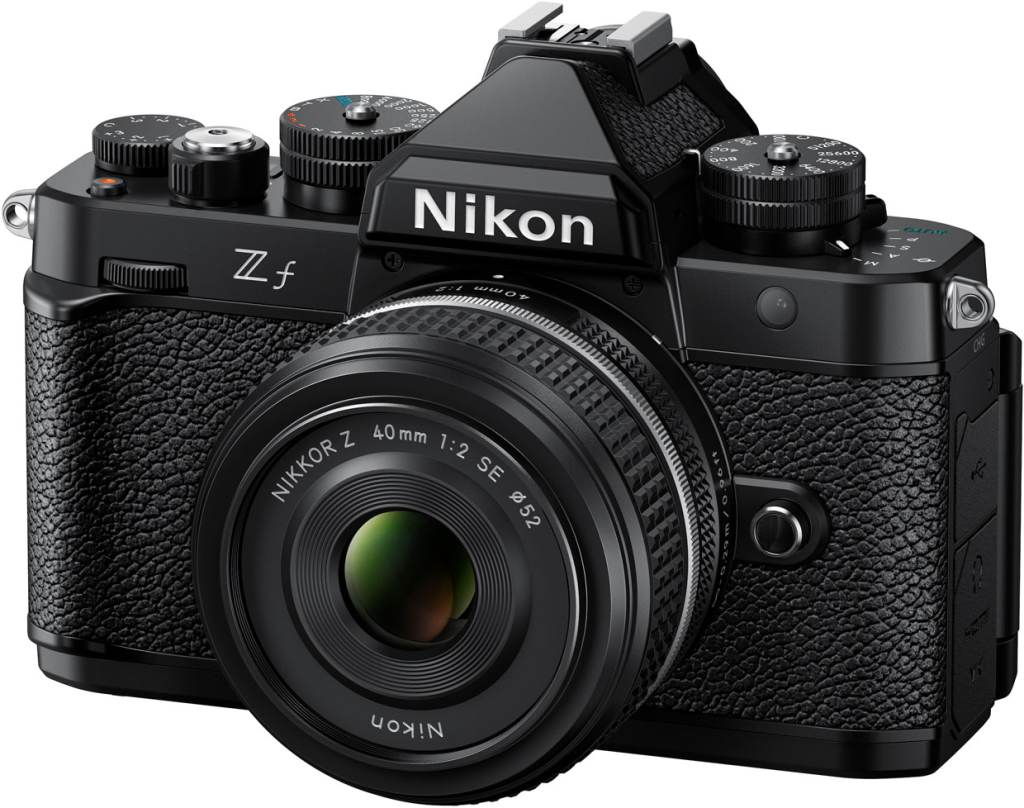
Nikon Corporation (Nikon) is pleased to announce the release of the Nikon Z f full-frame/FX-format mirrorless camera, which adopts the Nikon Z mount.
See also: iPhone Ultra: Will be able to take spatial photos and videos
The Z f is a mirrorless camera that balances a heritage design inspired by an iconic Nikon cinema camera with the latest in superior performance. It is equipped with a full-frame sensor and the same EXPEED 7 image processing engine as the flagship Nikon Z 9 mirrorless camera, enabling advanced stills and video recording. In addition to realizing outstanding functionality and sophisticated design, the Z f features cutting-edge technologies, including outstanding AF and VR, that meet the needs of creators pursuing their individual styles and expressions.
Nikon will continue to pursue new dimensions in optical performance while meeting users' needs, contributing to the development of imaging culture, with the hope of expanding the expressive possibilities of imaging.
Main features
A heritage design inspired by Nikon's iconic FM2 film camera
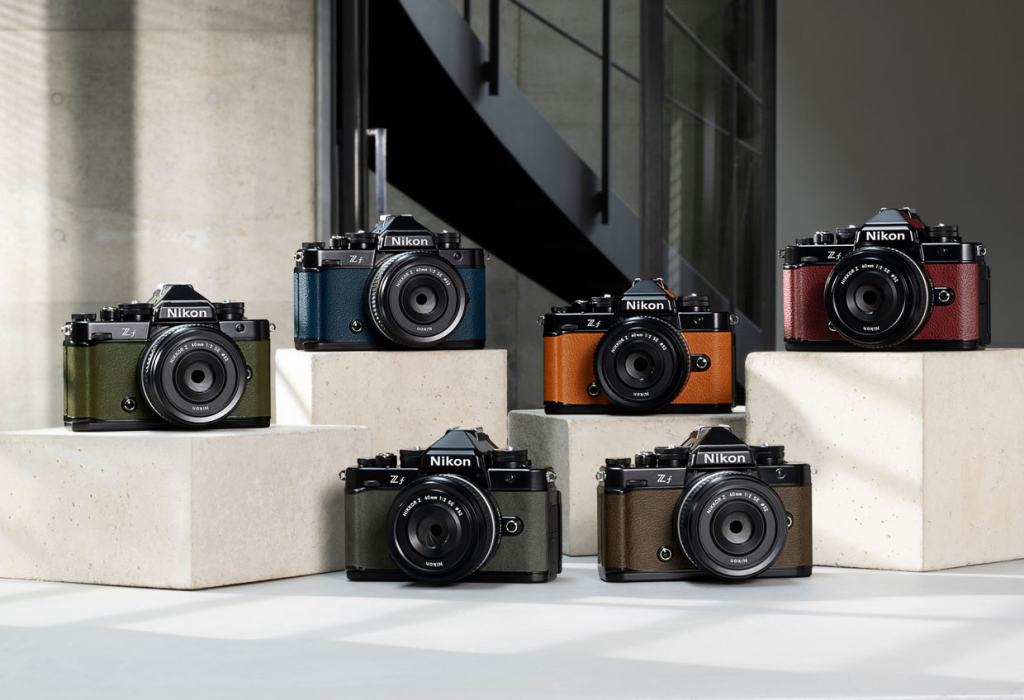
The camera is designed with a magnesium alloy body with a glossy finish for an authentic look and feel. It features brass dials, a shutter release button, and a power switch, as well as a 1970s-80s Nikon logo and engraved letters and numbers on the top. The design is well-balanced for use with a full-frame lens and has been meticulously considered, especially the feel of the shutter release button. The camera also features a faux leather with a refined look and texture, available in six customizable color options.
Recommendation: Sony a7cR: Small but full of features
Variety of functions that expand the expressive possibilities of imaging
The Z f camera features unique tone features, including conventional monochrome image control, as well as flat monochrome and deep monochrome image controls. It also features a dedicated black and white position on the photo/movie selector for easy switching to black and white mode. The camera is equipped with Creative Picture Controls for enhanced image expression, as well as the first-of-its-kind Z f pixel shift shooting mode that supports high-resolution images by merging multiple NEF (RAW) files.
Video performance that meets a variety of video production needs

The Z f supports H.265 10-bit recording in-camera, enabling full-scale video recording with minimal peripherals and without the need for an external recorder. It can record 4K UHD video using 6K oversampling, enabling the creation of high-resolution video. The camera can record up to approximately 125 minutes of 4K UHD/60p video, making it suitable for longer recording times. It also features convenient video recording features inherited from the Z 9, including the ability to adjust ISO sensitivity in 1/6 EV increments and display a red frame during video recording. The camera’s compatibility with products from accessory manufacturers expands the accessory options available to users, contributing to a comfortable video shooting experience.
Cutting-edge technologies for superior shooting performance
The Nikon Z f is equipped with the EXPEED 7 image processing engine, the same as the Z 9, which supports superior tracking performance with subject detection for sharp focus on moving subjects. It supports nine different types of subject detection for both still image and video recording. The AF detection range extends down to -10 EV, improving focus in dark situations. The camera also features 5-axis in-camera vibration reduction (VR) that is equivalent to an 8.0-stop increase in shutter speed, the best among Nikon's Z series cameras. It also supports enhanced electronic VR useful for video recording. These features improve image quality in low-light or dark indoor conditions and at slower shutter speeds. The Z f is the world's first camera to support focus point VR, which reduces blur at the edges of the frame, even when the subject is positioned at an extreme point.
For more information see here.
Read also: GoPro Hero 12 Black launched with HDR, better stabilization, and more
source of information: Nikon.com
