

Facebook's parent company Meta has taken a very positive step when it comes to security, introducing a series of innovative support initiatives - the most important of which is a new feature that helps users whose Instagram accounts have been hacked recover.
See also: Does Instagram notify about taking screenshots of posts?

Instagram has launched a page — instagram.com/hacked — that users can visit if they can’t log in to their account. Whatever the cause, whether it’s an account breach or a forgotten password, the page flow helps users report and resolve account access issues.
See also: How to permanently delete your Instagram account
Instagram recently launched a pilot feature that allowed users to request verification from two friends in order to regain access to account . Now the company has announced that the feature is available to everyone.
The update on Instagram account security is part of a much broader effort by parent company Meta to ensure the safety and security of all users across all of its core apps.
Additionally, Meta has decided that the verified blue badge on Instagram will be visible in Stories and Direct Messages to help users confirm that the accounts they are engaging with are authentic.
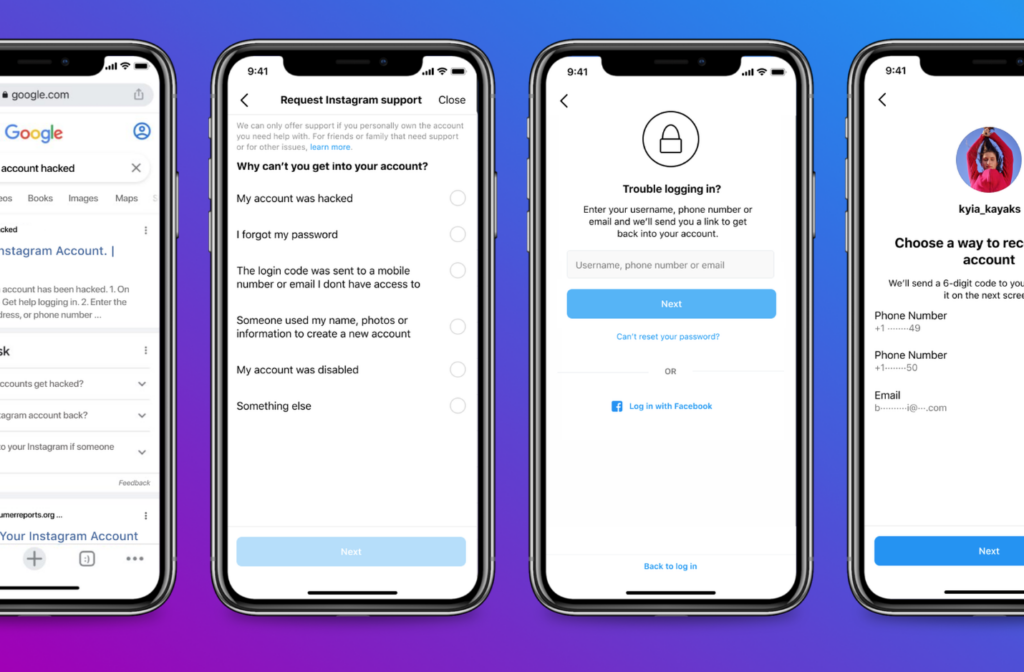
The company also says it's working on ways to stop account hacking before it happens, including sending warnings about suspicious accounts that could be impersonating someone else.
See also: Instagram launches new Candid Stories feature
More generally, Meta is finally starting to build a more robust customer service department aimed at helping users who are experiencing account issues.
Securing an Instagram account after a breach can be difficult, but with the right steps, it can be done effectively and efficiently. Take the time to change passwords and enable two-factor authentication on all connected accounts, check any connected apps for malicious activity, and monitor your incoming emails for suspicious links or messages. Taking these steps will help keep your information safe and prevent future breaches of any of your online accounts.
Information source: zdnet.com
