

According to its announcement, Volkswagen is going to change all of its EVs based on the MEB platform to support bidirectional charging starting next year.

See also: Volkswagen is renamed "Voltswagen" in the US
This move by the company could give a big boost to vehicle-to-grid.
In the early days of electric vehicles, the industry was cautious about using batteries, as battery life was a big issue.
But now the industry as a whole is becoming more confident that properly managed batteries can last a long time.
Some EVs have large batteries that allow for 200+ miles of range, but they typically travel less than 40 miles for most days.
See also: Volkswagen CEO says he's not afraid of a potential "Apple Car"
As the electric vehicle fleet grows in some markets, controlling when electric vehicles need to be charged on the local power grid is of great value in balancing the load and avoiding the operation of expensive and polluting power plants.
If these EVs could also return the power they don't need back to the charging system, that would be even more valuable.
This technology is often referred to as “vehicle-to-grid”.
An electric vehicle with bidirectional charging capacity can send power to the grid, or to a home, or even another electric vehicle.
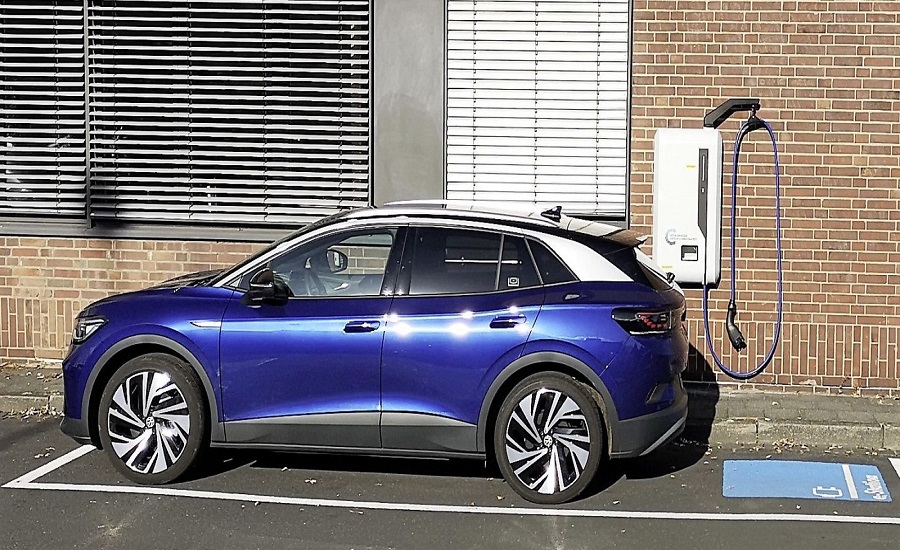
Some companies and electric utilities have explored the idea of using a fleet of electric vehicles, equipped with bi-directional charging, to help balance the grid when needed.
See also: Volkswagen will launch a new solar yacht on the market
With large enough fleets, valuable services could be provided by reclaiming power from thousands of vehicles that don't need it. In return, these EV owners would be compensated by the electric utility for the use of their battery.
The problem was that there are only a limited number of electric vehicles equipped with bidirectional charging capability.
The Nissan Leaf is the most popular EV with this feature.
Volkswagen had been working on bidirectional charging technology and had introduced a wall charger with bidirectional capability last year, but had not made any statements about such a capability for its vehicles.
The automaker could produce up to 300,000 vehicles with two-way charging next year.
Volkswagen plans to participate in the process to ensure that it benefits everyone involved, including the electric vehicle owner. In addition, bidirectional charging offers other advantages, such as the ability to provide backup power to your home when needed.
