

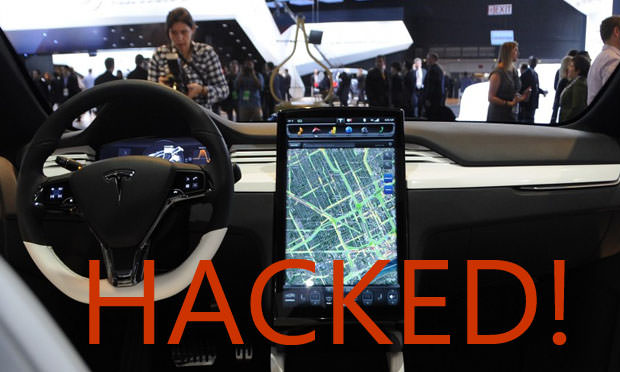
You can now hack your car and your smart TV without worrying about the law.
If you're a security researcher looking to learn the inner workings of security vulnerabilities using your car or smart TV, then it looks like you'll be able to do both without risking a run-in with the law. According to the latest filing from the FTC, it has approved changes to the Digital Millennium Copyright Act (DMCA) that will allow Americans to hack their own electronic devices, as long as they own that piece of hardware.
Researchers will legally be able to reverse engineer products and consumers will be able to repair their electronic vehicles, but the FTC only allows exemptions for a two-year trial period. The FTC introduced a similar change in 2014, when it announced that you can successfully unlock your own smartphone for research and security purposes without suffering any consequences. The same has been introduced for cars and smart TVs, and hacking them for the sole purpose of learning about security vulnerabilities is certainly permissible.
Security flaws in both cars and smart TVs will help consumers, as well as manufacturers, build better protections. However, you will have the opportunity to be careful with the amount of freedom you are given. These exemptions explicitly state that consumers and owners of smart TVs and cars can only hack them for “good cause” and if they were legally acquired.
In short, this means you'll be in trouble if you decide to hack into items that don't belong to you, even if it's for educational purposes. You should know that the FTC has made it clear that it's only for a two-year trial period, so enjoy it while it lasts.
