

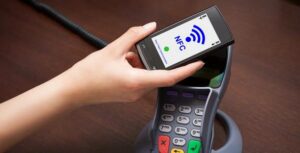
Last year, over a billion mobile phones were equipped with Near Field Communications (NFC) technology, and with that growth comes a whole host of potential security risks.
Many people are skeptical about the security of NFC, especially when using it to make credit card payments, and rightly so. With endless new technologies at our fingertips, a certain level of privacy is inevitably lost, but is it a risk worth taking? And how big is the risk from using NFC?
NFC: The advantages
Despite the obvious security concerns, NFC is hugely beneficial for modern users looking for even greater convenience. This technology makes it easy for everyone from contactless cardholders to Apple customers to do everyday tasks, such as making a payment without having to choose a PIN or sign anything. The ease of use is undeniably appealing and offers users enhanced flexibility, from checkouts to mobile app stores.
NFC has other valuable benefits, as it can be used by healthcare professionals to stop the wrong patient from being given medication, and it has less serious but extremely convenient uses, such as allowing users to interact with each other on social media platforms without having to take the card out of their wallet.
NFC: The risks
However, with these benefits comes a certain level of risk, as NFC works by storing private data from identification details to credit card details. Potential security risks range from data leaks and eavesdropping, to attacks and unauthorized changes to personal materials. Thieves can steal data by using a card reader while standing near you to read the details on your contactless card, and they can use these readers on unsuspecting people at any time, without having to take the card out of your wallet.
Solutions
The most effective way to protect the data on your contactless card from being stolen is to invest in a custom card security that will prevent thieves from being able to retrieve information from your card. It is also possible to improve security on a mobile phone by adding fingerprint protection instead of passwords, adding anti-virus to all computers used in the home and being generally vigilant is often the best form of security. VPNs should be used when accessing the internet to stop thieves from exploiting your connection to extract information from your online banking accounts, social media and email.
While NFC is a fantastic modern invention, like many new technologies it doesn't come without risks. According to Douglas Crawford at BestVPN.com, using NFC means that we naturally lose some level of privacy, but we can gain a multitude of benefits. Using security measures like a VPN and the Protector Card are smart ways to circumvent some of the risk
