The spread of "smart" portable devices has also "caught" the developing world, where it is no longer rare to see smartphones or televisions. However, this is not the case for more stable equipment, such as desktop computers. This, as reported in a CNN article, is what Endless Computers intends to change, presenting a simple, durable and affordable machine aimed at consumers in developing countries.
As Matt Dalio, the company's CEO, told the American network, the idea for creating a $169 computer came about while traveling, as he noticed that, even if many homes didn't have a computer, they often had an HD screen. "I was in India and I looked at a TV and then my hand, where I had a phone, so I thought why not connect them?".

He argues that although smartphones are sweeping emerging markets, the desktop computer is still the primary tool that someone sits on to gain daily access to the “knowledge economy.” The only difference, he says, between a smartphone and a desktop computer is the presence of a screen, keyboard, mouse, and operating system.
The main challenge was finding an operating system: initially Android and Windows were considered, as were Chrome and Linux, but all had their drawbacks for the job they were intended for. In the end, they settled on a Linux-based operating system with an easy-to-use interface and launched a Kickstarter campaign, which resulted in the collection of $100,000 in record time.
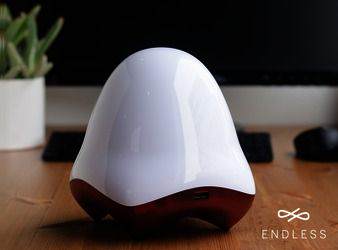 The company plans to start selling in Mexico in May. Its machine, called the Endless Desktop, features app-based software and hardware specifically designed for the realities of a less than reliable/steady power supply. The Endless comes in both 32GB and 500GB versions, both with twoGB of RAM. The central idea is to “box” the Internet for off-grid consumers: each unit comes pre-installed with an encyclopedia, recipes, educational materials, and health information. The most popular application, as expected, is Wikipedia.
Source: naftemporiki.gr