

Amazon Prime Air , Amazon ’s drone delivery service , is poised to revolutionize the way Americans get their orders. According to the company’s official announcement, Prime Air will expand to nearly 500 cities and towns in the U.S. by the end of 2026, increasing its coverage by six times compared to its current footprint. It’s the company’s most ambitious move into autonomous aerial delivery after more than a decade of experimentation and regulatory hurdles.
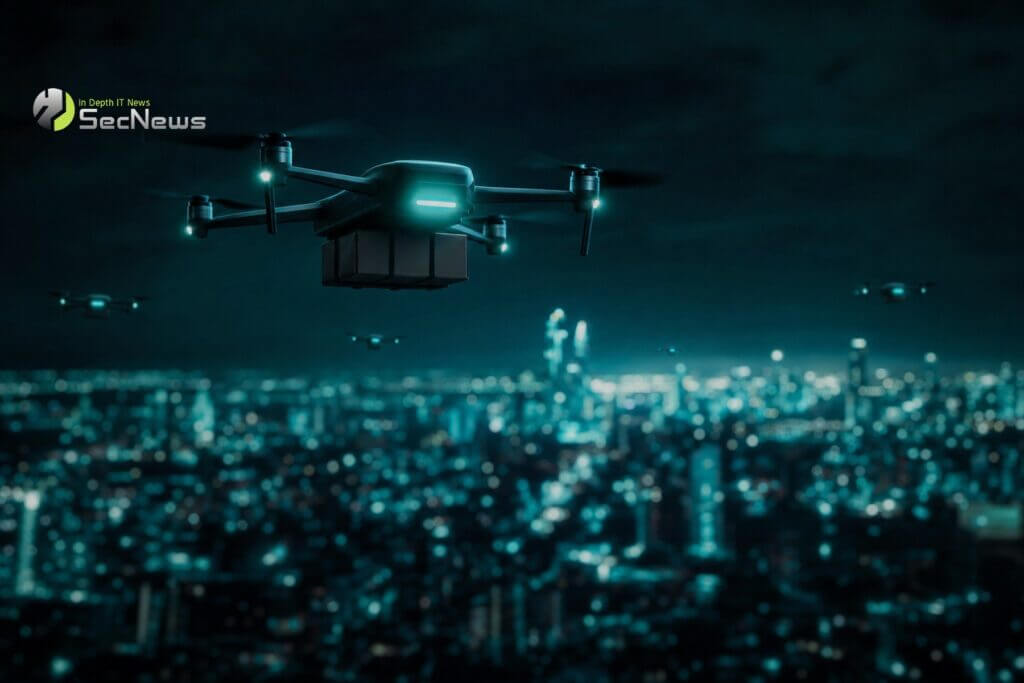
Amazon announced that its Prime Air service will soon expand to the Chicago , Illinois, Syracuse, New York, Cleveland , Ohio, Atlanta , Georgia, and Boise , Idaho metropolitan areas, with “ more communities to follow later in the year .” These new locations will be added to the 11 existing locations in 10 metropolitan areas where Amazon already offers drone deliveries.
See also: Amazon Prime Air: Drones will now deliver iPhones
Each Prime Air serves an area of about 175 square miles. The service aims to deliver packages weighing up to 5 pounds (about 2.3 kilograms) quickly, with most orders arriving about 60 minutes after purchase. According to Amazon Prime Airvice David Carbon, the service has already been used to deliver “hundreds of thousands of packages” this year.
Amazon Prime Air: From 2013 Vision to Commercial Scale
Prime Air’s story begins in 2013 , when then - Amazon CEO Jeff Bezos first publicly pitched the idea of autonomous drone deliveries in 30 minutes . Since then, the program has gone through years of testing, safety certification work, and operational changes as Amazon has tried to make drones practical on a commercial scale. Regulatory hurdles from the FAA have been significant, and it’s taken the company more than a decade to get to where it is today.
This expansion isn’t just about more aircraft — it reflects broader hub coverage, better operational reliability, and Amazon to use drones to deliver lightweight packages in select geographies. The company has also set a goal of 1 million drone deliveries by 2026, a number that shows Prime Air moving from the testing phase to repeatable operations.
See also: Nearly 7,000 fake Amazon domains registered ahead of Prime Day 2026
Amazon Prime Air and the competition in the drone delivery market
Amazon is not alone in the air delivery space. It competes in a market that includes companies such as Wing (a subsidiary of Alphabet/Google), Zipline, Flytrex, DroneUp, Matternet, Manna, Skyports and UPS. Wing has emerged as one of the most visible competitors in the US for consumer delivery , while Zipline has a strong presence in medical logistics and select retail partnerships.

Safety and challenges for Prime Air
Amazon has reiterated Prime Air alongside its expansion plans, including an “industry-leading Detect-and-Avoid system” — an obstacle detection and avoidance system that the company describes as industry-leading. This emphasis on safety is likely an effort to minimize any concerns raised by communities where the service is expanding, given that Amazon’s drones have already come under fire for incidents such as collisions with cranes, internet cables, gardens, and even apartment buildings.
See also: Amazon Prime: These are the free games of August
Local community acceptance is one of the biggest uncertainties for Prime Air. Issues such as drone noise, privacy, safety , and the aesthetic impact on neighborhoods are concerns expressed by many residents. Amazon will need to address these concerns with transparency and collaboration with local authorities if it is to achieve its ambitious goals.
