

Modern smartwatches have evolved significantly in recent years, and many of them have water-resistant certifications, allowing users to wear them while swimming or other sports activities. However, many mistakenly believe that waterproof means complete protection in any environment.
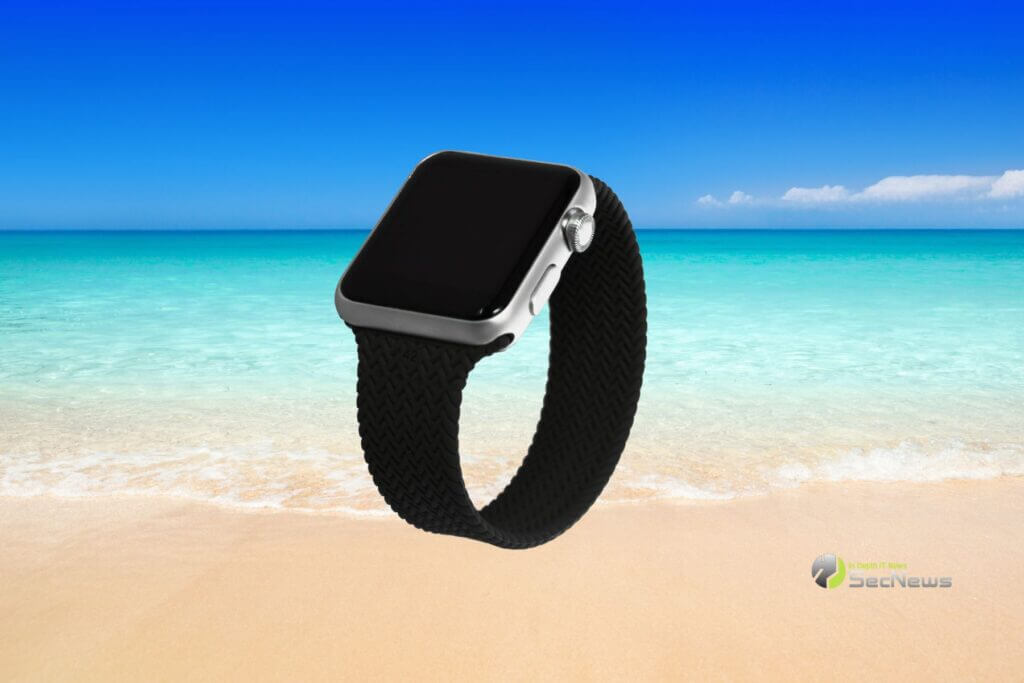
In fact, seawater is one of the biggest enemies of electronic devices. Salt, sand, and constant exposure to the sun can cause gradual wear and tear on even expensive smartwatch models, shortening their lifespan or affecting their proper functioning.
Here are the most important tips to help you protect your smartwatch during the summer holidays.
Check the manufacturer's specifications first
Before wearing your smartwatch at sea, it's important to know what its durability certification really means.
See also: How to save smartphone battery when traveling
Ratings like IP68, 5 ATM , or 10 ATM are not the same. Some devices are only designed for contact with fresh water or brief immersion, while others can be safely used while swimming.
Even if the watch supports use in water, several manufacturers discourage systematic exposure to seawater, as salt can affect the waterproofing over time.
Rinse it off immediately after the sea
This is perhaps the most important tip. After every swim, rinse your smartwatch with plenty of clean, fresh water to remove any salt, sand, and other microparticles.
Salt can accumulate around buttons, speaker, microphone, and sensors, accelerating corrosion of metal parts or affecting the performance of sealing materials.
After rinsing, wipe it carefully with a soft microfiber cloth and let it dry naturally.
Do not press the buttons in water
A common mistake is using the physical buttons while the watch is underwater. In many devices, pressing a button can allow a small amount of water to enter the movement, especially if the seals have begun to wear down.
For this reason, it is advisable to avoid any handling until you leave the sea.
Beware of the sand
Sand is just as dangerous as salt. Tiny grains can get stuck around buttons, the rotating bezel (if present), or the strap attachment points, causing scratches or difficulty in the operation of mechanical parts.
Avoid leaving your smartwatch on a towel or directly in the sand and clean it carefully before storing it.
Do not expose it to the sun for hours
High temperatures can affect both the battery and the materials of the smartwatch. Prolonged exposure to the sun, especially when the device is not in use, can significantly increase the temperature of the battery, accelerating its natural wear and tear.
See also: How to prepare your smartphone before going on vacation

Additionally, some silicone or rubber straps may gradually lose their elasticity when continuously exposed to strong sunlight.
Avoid sudden temperature changes
Another point that is often overlooked is the abrupt transition from very hot environments to cold water. Large temperature differences can strain the device's seals and, in the long run, affect their effectiveness.
If the smartwatch has been left in the hot sun, it is better to wait a few minutes before entering the sea.
Check the tightness regularly
Waterproof nature doesn't last forever. Over the years, gaskets and sealing materials naturally age, especially when exposed to salt, chlorine, sunscreen, and sweat.
If the smartwatch has suffered a hard fall or impact, its water resistance may have been affected, even if no damage is visible externally.
Do not charge it before it is completely dry
One of the most serious mistakes is connecting the smartwatch to the charger while there is still moisture on the charging contacts.
Before placing it on the charging base, make sure the device is completely dry. The presence of water or salt on the contacts can cause corrosion or even a short circuit.
See also: How to protect your smartphone from heat, sand & moisture

Proper care extends lifespan
A smartwatch is now more than just a watch, as it tracks physical activity, health, notifications and many other daily functions. Although most modern models are designed to withstand demanding conditions, proper use remains crucial.
With simple habits, such as rinsing immediately after swimming, avoiding unnecessary exposure to salt and high temperatures, and regular cleaning, you can keep your smartwatch in excellent condition for many years, enjoying your summer outings without unpleasant surprises.
