

Apple is preparing for price hikes on its products as the global RAM shortage has reached unmanageable levels. The company's CEO, Tim Cook , told the Wall Street Journal that " price hikes are inevitable ," adding that the situation has become "unsustainable." Products expected to be affected include the iPhone , iPad , and Mac .
The root of the problem lies in the explosive demand for memory from AI companies. The massive data centers built by companies like Google, Microsoft , and other tech giants are absorbing quantities of DRAM and NAND that far exceed traditional consumer electronics demand. This creates a classic supply-demand problem, where memory manufacturers drive up prices because buyers have no alternative.
See also: Tim Cook: The man who grew Apple by trillions of dollars
Tim Cook said: “There is less supply at a time when consumers want devices, and memory manufacturers are passing on huge price increases. We certainly need to get memory prices and supply back to reasonable levels for consumer products.” Apple has already tried to “shield” its customers from the increases, but the magnitude of the pressure has made that strategy impossible to continue.
Apple RAM: How memory shortages are changing iPhone and Mac prices
Signs of cost pressures are already visible across Apple's product lineup. The company discontinued sales of the Mac Studio with 512GB of RAM in March, while raising the entry-level price of the Mac mini, removing the most affordable $599 option. These moves are essentially price increases through configuration changes, without an official announcement of a list price increase.
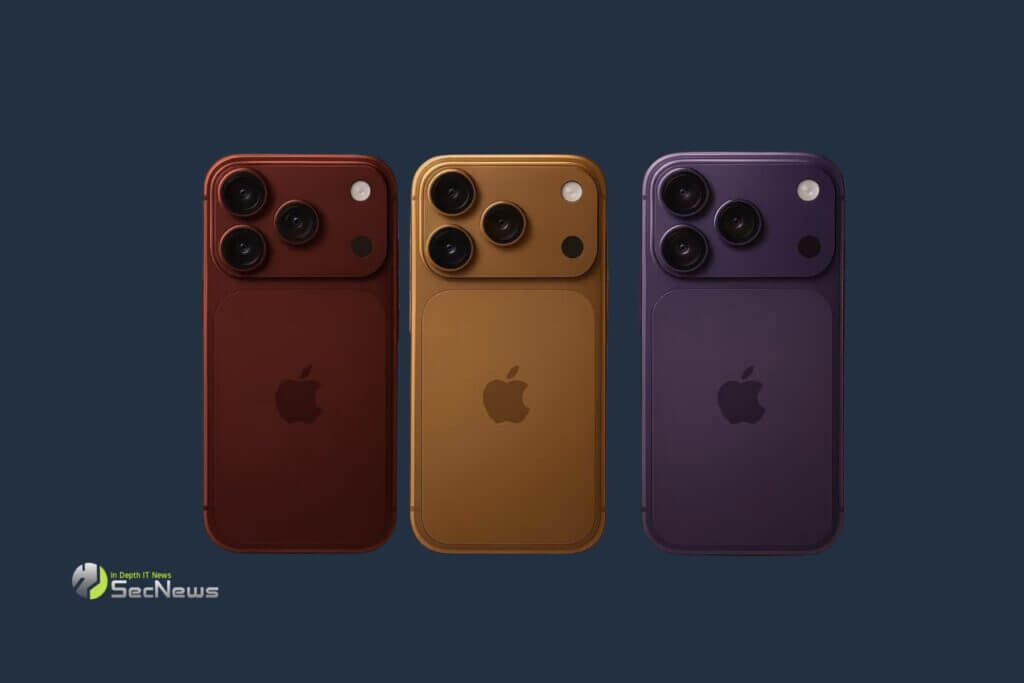
According to estimates from the Wall Street Journal, reported by The Verge, the upcoming iPhone 18 Pro could cost $1,299, up from the $1,099 iPhone 17 Pro. This is an estimate, not an official announcement, but it reflects the pressures the company is facing. Analysts have noted that Apple may eliminate configurations with less memory on some Macs, keeping only the more expensive variants — which would automatically raise the average selling price.
See also: Apple: Tim Cook on Trump's list for trip to China
General price increases in the technology sector
Apple isn't the only company facing this problem. Companies like Samsung , HP , Nintendo , and Valve have also faced the effects of higher RAM costs , with price increases seen in game consoles, laptops, and other devices. The pressure is structural and not limited to one company or product category.
Of particular interest is the connection to Apple's artificial intelligence strategy. Morgan Stanley analyst Erik Woodring has pointed out that the company's AI roadmap requires devices with more memory.
This creates an interesting dynamic for Apple: higher RAM costs are squeezing margins today, but increased memory requirements for AI functions could lead to a cycle of upgrades and higher selling prices tomorrow. The company is in a delicate balance between staying competitive and passing on the cost to consumers.
See also: Tim Cook: The launch of Apple Maps was his 'first big mistake' as CEO
For Greek consumers, Apple's upcoming price increases will have an immediate impact, especially in a market where the company's products are already selling at high prices. The situation in the memory market is evolving rapidly, and Apple — like the entire industry — will have to adapt to a new environment where RAM is no longer a cheap component.
