

The debate over the impact of social media on the mental health of children and adolescents is taking on a new dimension in Italy, where families of minors have taken legal action against Meta and TikTok. The case comes at a time when European authorities are increasing pressure on major digital platforms, demanding stricter protections for younger users.
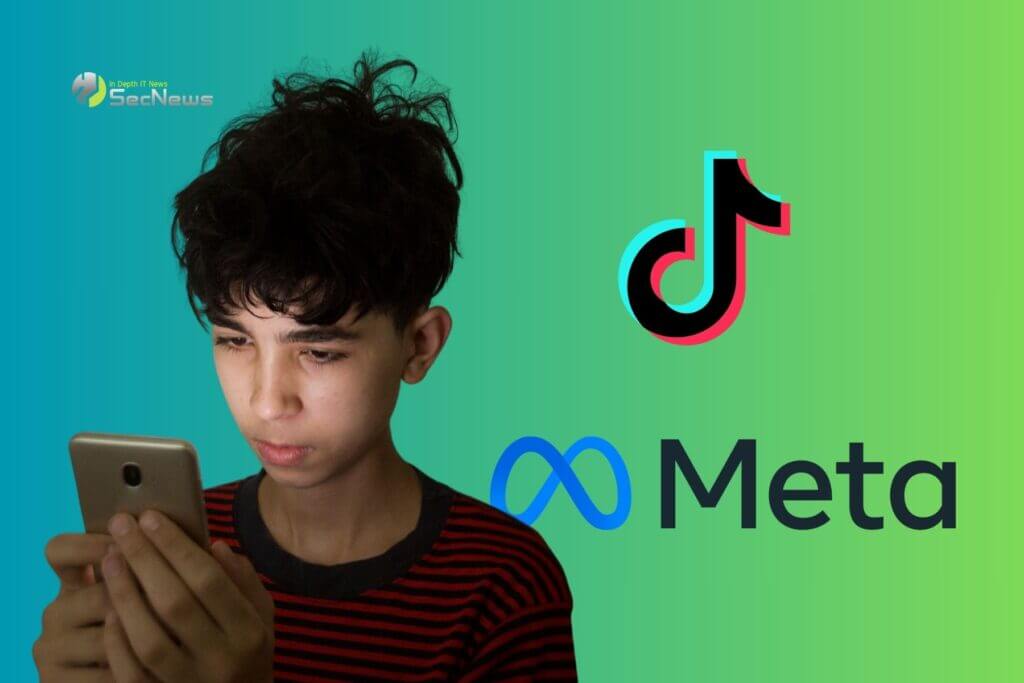
At the center of the legal battle is the case of 12-year-old Rossella from the northern Italian city of Asti. According to her family, her behavior began to gradually change over a few monthsas social media algorithms allegedly fed her content related to depression, self-harm and psychological distress.
The case that opened a wider debate
Rossella's parents claim that after her death they discovered the true extent of her online activity. Through accounts they did not know she maintained, the minor had been exposed to a large amount of content related to negative psychological states.
The family believes that the platforms' recommendation mechanisms acted as an accelerator of an already vulnerable psychological environment. While it is not claimed that social media was the sole cause of the tragedy, the plaintiffs believe that the constant display of related content contributed significantly to the deterioration of the situation.
See also: UK: Social media ban for children under 16 coming
This particular case has become a point of reference for many families in Italy who are expressing concerns about how algorithms work on popular social networking platforms.
The accusations against the platforms
The class action lawsuit focuses primarily on how algorithms recommend content to minors. The families argue that these systems are designed to keep users engaged for as long as possible, even when the content they consume may be harmful.
The plaintiffs are calling for stricter age verification, more effective mechanisms to protect minors , and greater transparency about how content recommendation systems work.
At the same time, they point out that the available parental control tools are often insufficient, as many teenagers can easily bypass them or create secondary accounts without their parents' knowledge.
See also: iOS 27: New parental controls to protect children
Meta and TikTok's response
Both Meta and TikTok reject the lawsuit's allegations and say they are constantly investing in technologies to protect new users.

Meta points out that it has special accounts for teenagers with enhanced security settings, while emphasizing that the mental health of young people is affected by many different factors and not exclusively by the use of social networks.
For its part, TikTok says it immediately removes content that policies its, limits the viewing of sensitive material, and offers access to support services for users who may be experiencing psychological difficulties.
What does scientific research show?
In recent years, a number of scientific studies have examined the relationship between excessive social media use mental health adolescent sleep disturbances, increased levels of anxiety, and reduced psychological well-being.
Some research has even identified changes in the functioning of specific brain regions associated with reward and pleasure seeking. Experts argue that the likes, notifications, and constant stream of new content activate mechanisms similar to those observed in other forms of addictive behavior.
However, a significant number of psychologists warn that the issue is much more complex and cannot be attributed solely to the platforms. Factors such as the family environment, the child's psychological state, social pressures and personal experiences play an equally important role.
See also: Maka Kids redefines children's screen time

Europe tightens the framework for the protection of minors
The case in Italy comes at a time when European governments and regulators are stepping up controls on digital platforms. Digital Services Act (DSA) now requires major tech companies to take more active steps to protect minors and limit harmful content.
Regardless of the outcome of the legal proceedings, this lawsuit is expected to be a landmark in the debate about children's rights in the digital world. The key question now is not only what content minors see, but also whether the algorithms that determine this experience can operate with greater transparency, accountability and social responsibility.
Source: Reuters
