

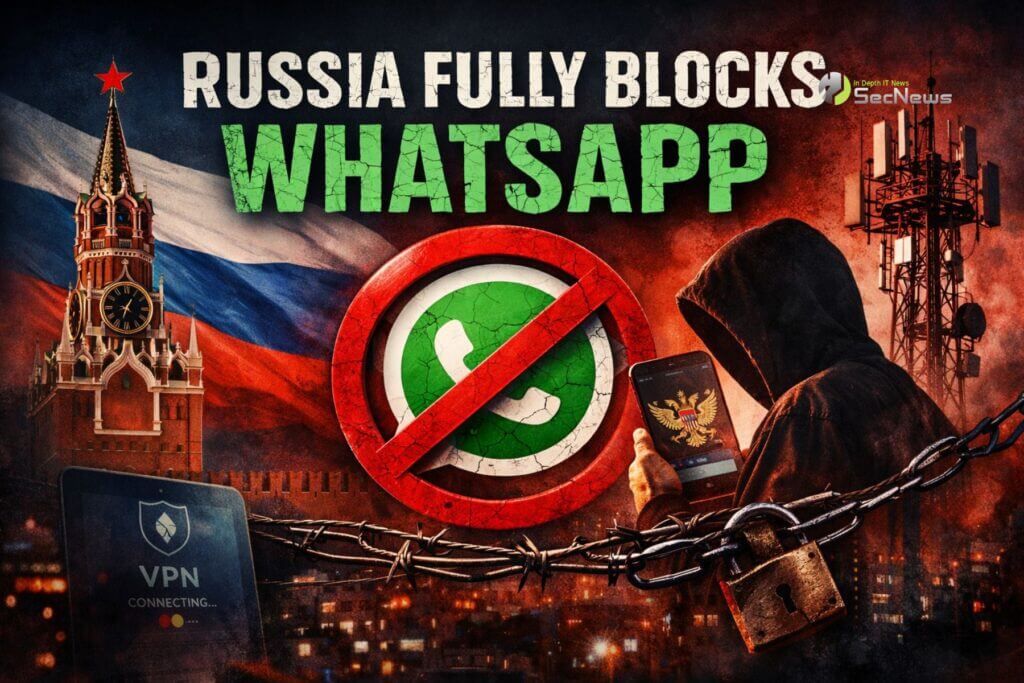
WhatsApp ,the popular messaging app owned by Meta Platforms, will no longer be available in Russia.
The Kremlin confirmed the decision on Thursday, saying Meta had failed to comply with local lawand urged Russian citizens to switch to a state-backed “national messenger,” MAX.
"Meta did not comply with Russian law"
Kremlin spokesman Dmitry Peskov told reporters that the WhatsApp blocking was a result of Meta's refusal to follow the requirements of Russian law.
" Due to Meta's unwillingness to comply, the decision was made and implemented ," he said, suggesting as an alternative MAX , which is presented as the country's official state messenger app
Peskov described MAX as a "developing and accessible alternative," emphasizing that it is now the domestic choice for citizens.
See also: Lawsuit against Meta: WhatsApp encryption is a lie
MAX and fears of state surveillance
However, the promotion of MAX has sparked strong reactions. Critics of the government argue that the app could act as a tool for monitoring and surveillance of users.
Russian authorities reject the accusations, insisting that the app was designed to make daily lives easier by integrating services related to the state and public administration.
However, concerns about privacy remain strong, especially at a time when Russia is strengthening its control over digital information due to war and geopolitical isolation.
Six months of pressure and the climax of the conflict
The move against WhatsApp was not a surprise. It is the culmination of a six-month crackdown on Meta and is part of a broader strategy by Moscow to create a “dominant” communications infrastructure. According to this logic, foreign tech companies will either obey local rules or be removed from the Russian market entirely.
It is recalled that Meta has already been labeled an "extremist organization" in Russia, which further burdened WhatsApp's position in the country.
WhatsApp's response: "A step backwards"
WhatsApp reacted strongly, accusing the Russian government of attempting to isolate over 100 million users and deny them secure and private communication.
See also: WhatsApp introduces new security feature for some users
In a statement, he said: "The Russian government is trying to completely block WhatsApp to drive people to a state surveillance app."

The company warned that this move could lead to less safety for citizens, not more.
How the blockade was technically implemented
The block was reportedly achieved by removing domain names associated with WhatsApp from Russia's national domain name registry. This means that devices within the country stopped receiving the necessary IP addresses to connect to the app's servers.
Now, access to WhatsApp is only possible via VPN, which is already a daily practice for many Russian users.
Restrictions on other platforms as well
Russia has already blocked or restricted major Western platforms, including:
- YouTube
- Snapchat
The government accuses foreign apps of not cooperating with authorities in fraud and terrorism.
Since August, restrictions had already been placed on calls via WhatsApp and other messengers, while in December Roskomnadzor, the state communications regulator, announced new "phased restriction" measures, characterizing the platform as a tool for criminal activities.
See also: Meta tests premium subscriptions on Instagram, Facebook and WhatsApp

The future of communication in Russia
The complete ban on WhatsApp marks a new phase in Russia's effort to control digital communication within its borders.
Many citizens have already turned to competing apps, such as Telegram, although they face pressure from the authorities.
The question that remains is whether Russian users will accept the state-owned MAX messenger or whether they will continue to seek alternative ways of communication, in an era where technology is increasingly becoming a political tool.
