

Budget smartphones and computers with heavy use of RAM for AI could be priced higher next year. Your next smartphone or PC could cost more amid a global memory shortage that the International Data Corporation (IDC) expects to “last until 2027.” A new report from the research firm outlines the potential impact of the RAM crisis, saying it “signals the end of an era of cheap and abundant memory and storage” — at least for now.
See also: Micron says memory shortage will continue into 2026
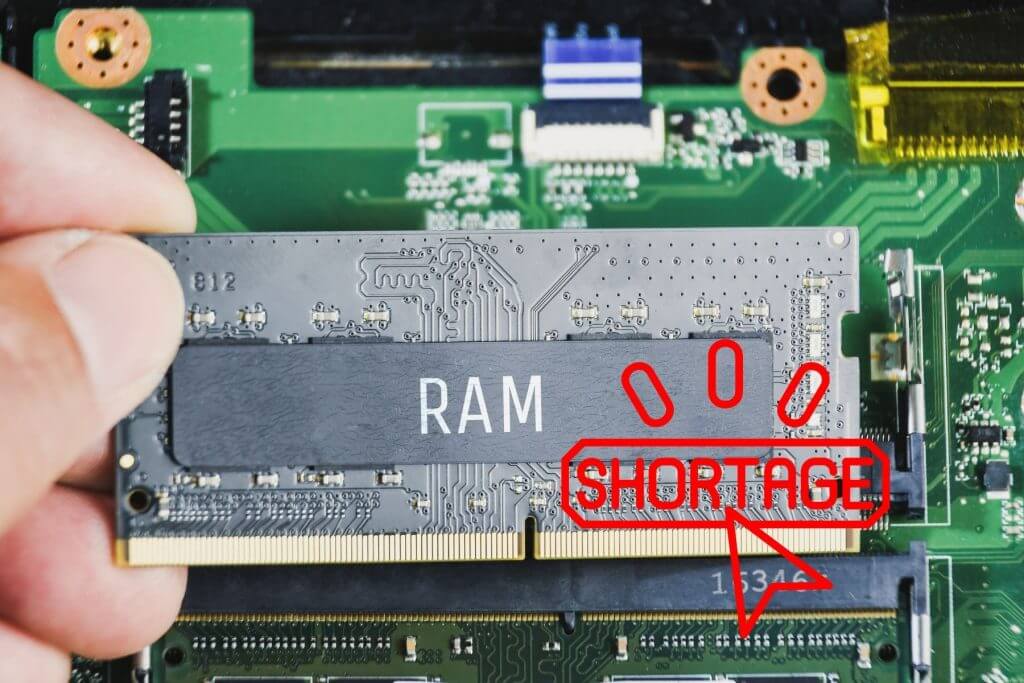
RAM prices have skyrocketed in recent months as the world's largest memory manufacturers — Micron, Samsung, and SK Hynix — have freed up more resources for AI companies, which are buying up vast amounts of memory for their large data centers. While PC gamers looking to upgrade their system's RAM may have been the first to feel the impact of this crisis, it's coming for other devices as well.
As IDC notes, the cost of a smartphone “depends heavily” on the type of memory it uses, with rising RAM prices leading phone makers to “significantly increase prices, reduce specifications, or both.” Budget smartphones from brands like Xiaomi, Oppo, Vivo, Honor, and Huawei “have no choice” but to pass on these higher costs to consumers, according to IDC.
These manufacturers have already optimized the parts they use to keep prices low and have little room to replace existing parts with cheaper ones. Xiaomi and Honor have already started raising prices on their tablets, while Xiaomi has warned of price increases on its smartphones as well.
See also: Microsoft: Security updates break MSMQ and affect sites in IIS

Samsung and Apple, on the other hand, may have a bit more leeway, as they are able to “secure memory supplies 12-24 months in advance,” IDC says. They may not add more than 12GB of RAM to their top-of-the-line smartphones, an upgrade that both the iPhone 17 Pro and Samsung Galaxy S25 Ultra had this year. Overall, IDC expects average selling prices for phones to increase by 3 to 5 percent under the “moderate” scenario, or by 6 to 8 percent under a “pessimistic” outlook.
Moving on to PCs, IDC says the memory shortage is creating a “perfect storm” for the PC industry, as it coincides with Microsoft ending support for Windows 10 and pushing memory-intensive computers for AI. Several PC and laptop manufacturers have already confirmed upcoming price increases, including Dell, HP, Acer, and Asus.
See also: Intel says TSMC engineer did not steal secrets

Meanwhile, makers of AI-intensive devices, such as Microsoft’s Copilot Plus PCs, may have to raise prices or reduce the amount of RAM they put in their PCs. That could prove difficult, as the Copilot Plus PCs come with at least 16GB of RAM. While IDC is not changing its official PC market forecast for 2026, it says the average selling price of PCs could increase by 4 to 6 percent in a moderate scenario, or 6 to 8 percent in a “pessimistic” one.
