

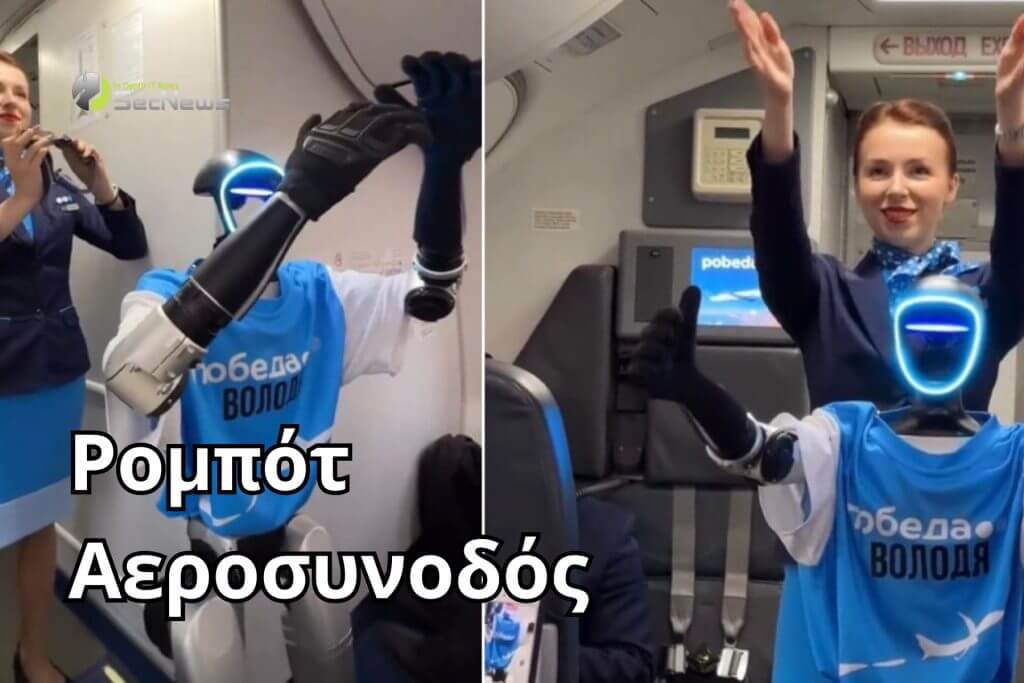
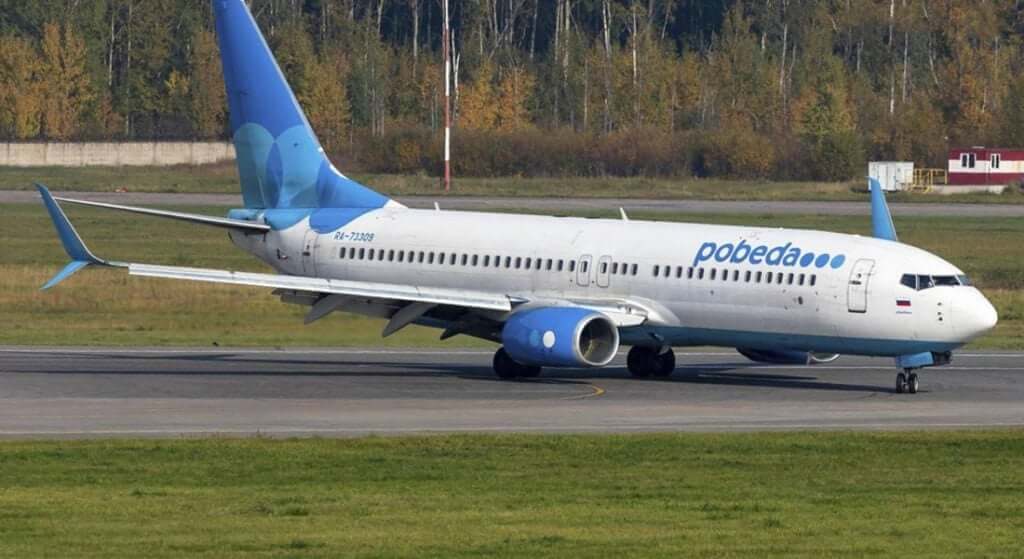
Russian airline Pobeda has become the first airline in the world to test a humanoid robot in an active role as a flight attendant . The robot, named “Volodya ,” joined the crew on a flight from Ulyanovsk to Moscow , offering a first glimpse of what the future of in-cabin service could look like
The first test in a real flight
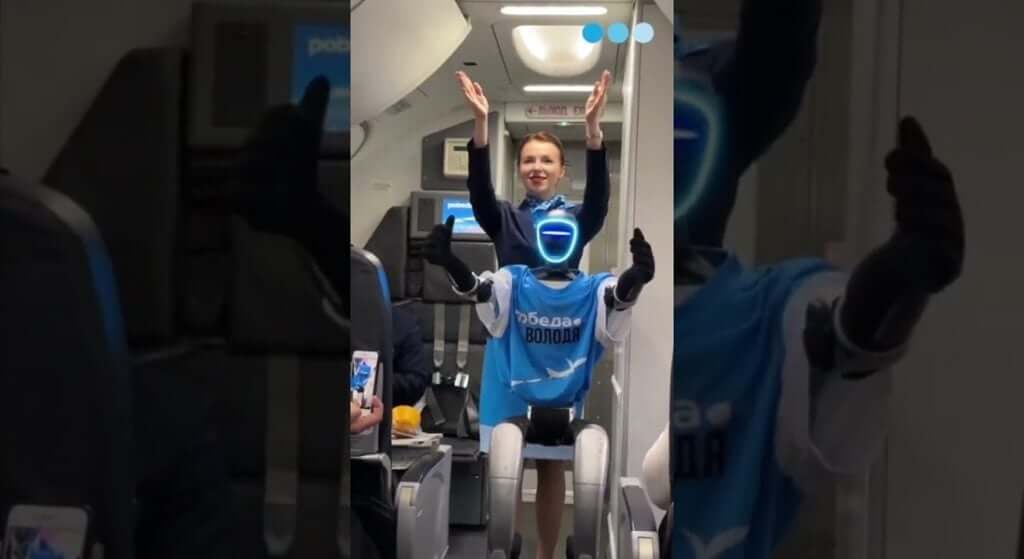
According to material published by AirProNews, Volodya greeted passengers at the aircraft door on November 12, interacting in a friendly manner and conveying basic safety instructions. The spectacle — a humanoid explaining seatbelt use and emergency exits — immediately caught the attention and curiosity of travelers.
Throughout the flight, the robot "accompanied" the crew, accurately mimicking the movements of a flight attendant. Although it did not serve food or drinks, its presence enhanced the passenger experience, mainly thanks to interactive demonstrations and command recognition functions.
See also: Unitree H2: An impressive but expressionless humanoid robot
Technologically, Volodya strongly resembles the Unitree G1, a well-known humanoid that uses reinforcement learning techniques to copy human movements. Pobeda has not officially confirmed the robot's model.
Excitement and concern: The public reaction
Although the initial footage was promoted by the company as proof of technological progress, the comments on social media were not as enthusiastic. A second video, posted by Valuetainment on Instagram, sparked a big debate about whether such a robot would have any practical use on an aircraft.
Many users commented that the flight attendant was “training her replacement,” expressing fears that robotic automation will affect jobs in the future. Others ridiculed the innovation, emphasizing that “the robot solves a problem that doesn’t exist.”
There was no shortage of humor: one user wondered what would happen if the robot "accidentally decided to open the plane door" during a flight — an exaggeration, but indicative of the fear that autonomous systems might fail at critical moments.
See also: XPeng's IRON robot has taken the internet by storm!
The general picture: people are watching with interest, but not necessarily with trust.
Airlines are entering the age of robots
Although Pobeda appears to have won the first place in a real-world flight, it is not the only one exploring robotic solutions in aviation. Qatar Airways had already introduced a series of humanoid robot flight attendants in March 2024, equipped with conversational AI and the ability to perform basic tasks in the cabin.
Where is this trend leading?
Introducing humanoid robots into the cabin may seem like an impressive display of technology, but its actual usefulness remains up for debate.
Experts emphasize three key points:
- Assistance, not replacement – Robots can cover repetitive or procedural tasks, leaving humans with the critical parts of passenger management.
- Safety first – The reliability of robots in high-stress conditions must be tested extensively before they can be widely deployed.
- Public acceptance – Even if the robots work perfectly, whether passengers will feel comfortable is an equally important factor.
The future of flight: Humans and robots together?
Pobeda's test opens a debate that will occupy us a lot in the coming years: how do humans and humanoids coexist in service roles? Technology promises efficiency, but human presence—especially in an environment like an airplane cabin—is difficult to replace.
See also: The new Figure 03 robot does all the housework!
The most likely scenario for the immediate future is not flights entirely by robots, but a hybrid where machines support the crew, speeding up processes and improving safety.
And if Volodya showed anything, it's that the conversation has just begun.
