

Google is preparing to test a new “ IP Protection ” feature for its Chrome browser , which improves users’ privacy by masking their IP addresses using proxy servers.
See also: Google Chrome: 6 ways to use it offline
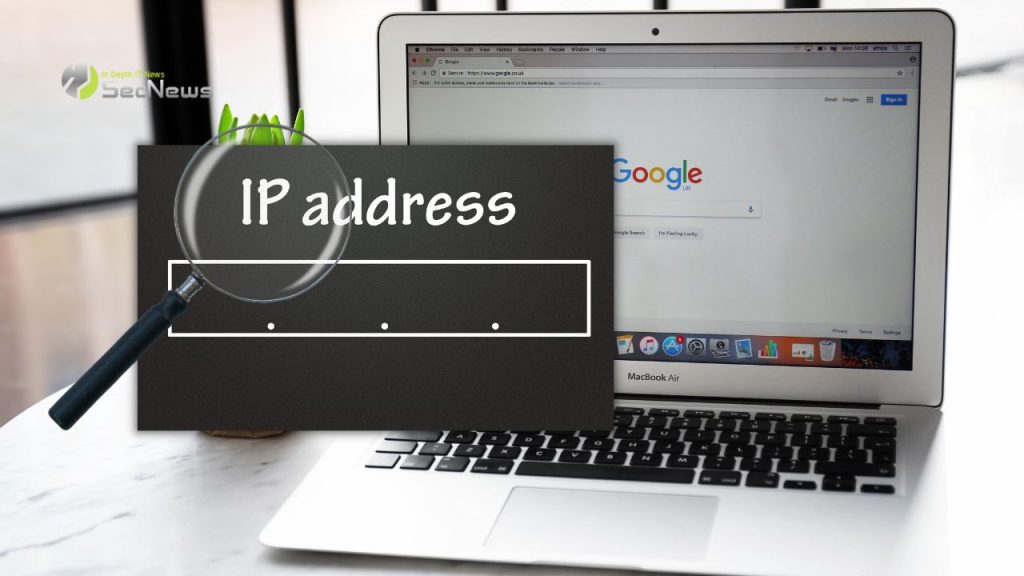
Recognizing the potential misuse of IP addresses, Google seeks to find a balance between ensuring user privacy and the necessary functions of the internet.
IP addresses allow websites and online services to track activities across websites, creating permanent user profiles. This poses significant privacy concerns as users currently have no direct way to avoid covert tracking.
While IP addresses can be potential means of tracking, they are also integral to critical functions such as traffic routing, fraud prevention, and other vital network tasks.
The “IP Protection” solution addresses this dual role by routing traffic from third parties to specific domains through proxy, making users’ IP addresses invisible to those domains. As the ecosystem evolves, so will IP Protection, adapting how it works to continue to protect users from cross-site connectivity and adding additional domains to the traffic served through the proxy.
Initially, IP Protection will be an opt-in option, ensuring users are in control of their privacy and allowing Google to track behavioral trends. The feature will be introduced gradually to adapt to regional needs and ensure a smooth transition.
See also: Google Chrome: New improvements to the search bar
In its initial approach, only registered domains will be affected in third-party environments, focusing on those that are considered to be tracking users. The first phase, called “Phase 0,” will send requests only to its own domains using a dedicated proxy. This will help Google test the system’s infrastructure and buy more time to refine the domain list.
Only users signed in to Google Chrome and with a US-based IP can access these proxies. A select group of customers will be automatically included in this preliminary test, but the architecture and design will undergo modifications as testing.
To prevent potential abuse, a Google-operated authentication server will distribute access credentials to the broker, setting a percentage quota for each user.

In the upcoming phases, Google plans to adopt a 2-hop proxy to further increase privacy.
As many online services use GeoIP technology to determine a user's location and offer services , Google plans to assign IP addresses to proxy connections that represent a "generic" location of the user instead of their specific location, as shown below.
Among the areas where Google intends to test this feature are its own platforms, such as Gmail and advertising services. Google plans to test this feature from Chrome version 119 to Chrome version 225 .
See also: How to permanently save groups of tabs in Chrome
What are the advantages of hidden IP addresses?
A user's identity on the internet is often associated with their IP address, which, when hidden, can produce several benefits for individuals and society at large. Hiding their IP address can provide protection from tracking, preserve personal data, and avoid privacy breaches.
First, hiding your IP address can prevent a user's activities from being tracked. Among other things, an internet service provider like Google can use this information to tailor the user's experience, either in search results or in advertisements.
Secondly, hiding the address can ensure the protection of personal data. Information such as the user's identity or geographic location can remain inaccessible, thus preventing blackmail, fraud, or other malicious attacks.
Understanding IP Address Hiding
Changing or hiding your IP address is possible through various technological solutions, such as, among others, Virtual Private Network (VPN), Proxy Server or TOR Network. However, despite the benefits, each solution also has its own complications and challenges.
Source: bleepingcomputer
