

We are approximately in mid-April and the days are approaching for the so-called Lyrid meteor shower, a celestial phenomenon that takes place every year between April 16 and 30. In essence, this phenomenon is an impressive shower of shooting stars.
See also: "Surprisingly rare" meteorite: Fragments found in the UK

According to the American Meteor Society, the phenomenon will start around April 15 and peak on the evening of April 21 and in the early morning hours of April 22.There's no need to worry if you can't watch the sky or if the weather isn't cooperating. According to experts, watching the night before or after the peak will also be very impressive.
See also: NASA: Impressive image shows the blue dunes on Mars!
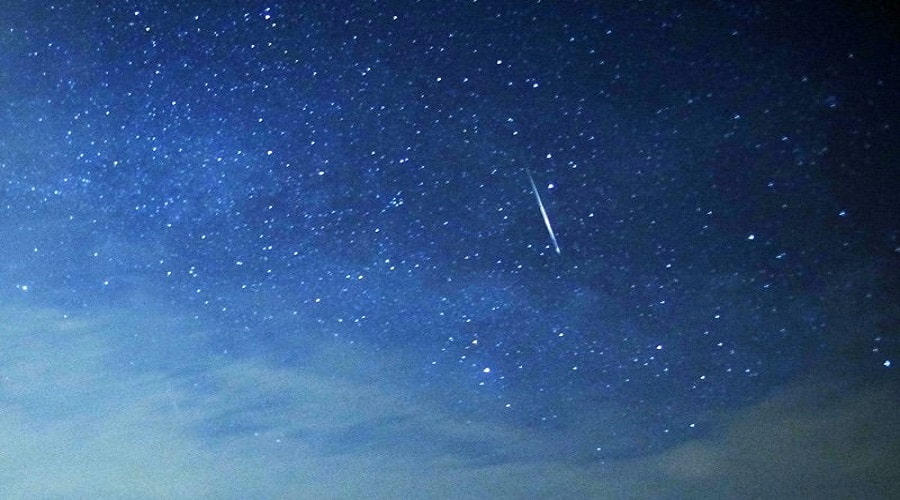
The Lyrids, also known as the first shower of “shooting stars” of spring, do not produce many meteors, perhaps 10 to 15 per hour, but the effects they create in the sky can be brighter and more brilliant than other larger meteor showers. Sometimes they produce bright “shooting stars” with long tails that remain visible for several seconds. Every few decades, in fact, up to 100 meteors per hour appear. This is not expected this year, but the predictions could be wrong.
See also: NASA: Earth safe from asteroid “Apophis” for a century!
This particular shower, which was first recorded in 687 BC, apparently originates from the constellation Lyra, from which it takes its name, and in particular from the star Vega , which is the brightest star in this constellation and the second brightest star in the night sky of the northern hemisphere.
In reality, though, the source of the Lyrids is the debris cloud left behind by a comet called C/1861 G1 Thatcher, which was last seen in the 19th century. However, every year, our planet is affected by the dust cloud left behind by the comet during previous visits. Small particles and other bits of dust and debris collide with Earth's atmosphere, creating this bright display in the night sky.
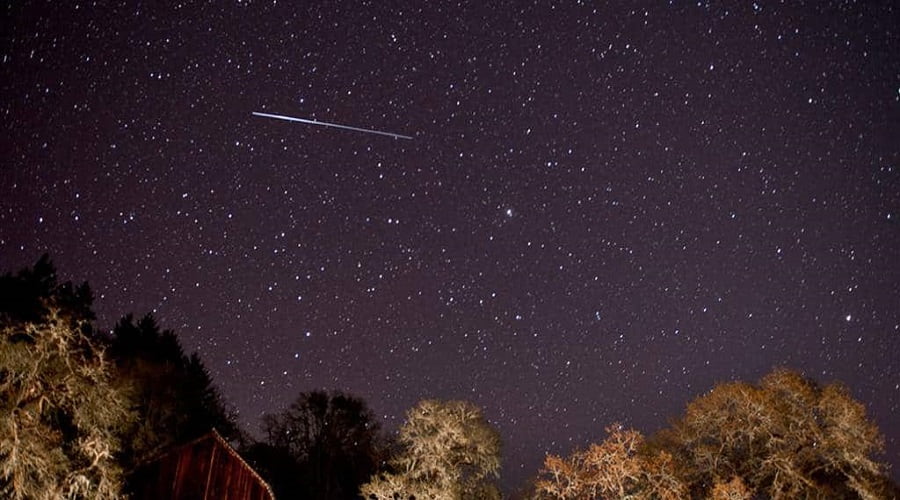
This year, the moon will be two-thirds full when the Lyrid meteor shower is at its peak, so it can be a bit difficult to watch the phenomenon. The hours just before dawn or just before nightfall are probably the best times to see the sky.
Either way, if you want to see the Lyrids, it's a good idea to get as far away from city lights as possible and find a spot in an open area or on top of a hill, so that you can see the night sky clearly without obstacles.
It is not necessary to look at a specific part of the sky, but as we said, the Lyrids begin their journey from the constellation Lyra. Therefore, if someone knows where to look, they may have an even better viewing experience, but this is not necessary.
Source: CNET
