

Four of the most prominent far-right movements, QAnon, Patriot Party, Oath Keepers, and Three Percenters, have been removed from TikTok and all videos promoting these groups have been removed. However, TikTok’s recommendation algorithm appears to continue to promote accounts that endorse these movements and their ideology.
See also: QAnon fans: Disappointed on social media after Biden inauguration
As a new report by the media watchdog group Media Matters for America, TikTok's user recommendation algorithm is pushing its users towards accounts with far-right views that are supposedly banned on the platform.
The report found that TikTok continues to promote content from QAnon, Patriot Party, Oath Keepers, and Three Percenters accounts on the platform’s “For You” page. This page is where TikTok’s algorithm sends content it believes each user would be interested in.
See also: QAnon leader has disappeared since Election Day
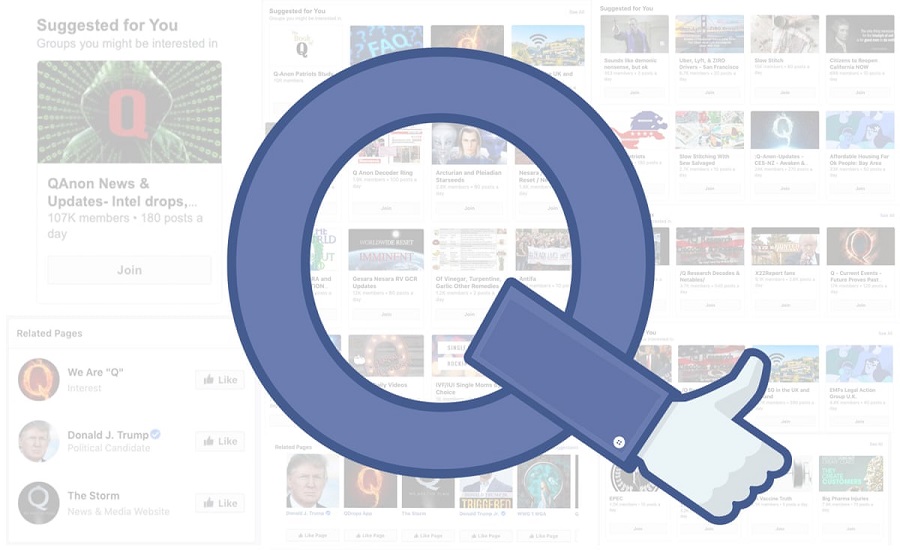
Furthermore, after recommending this far-right content to a user, TikTok’s algorithm “promotes” more and more far-right accounts to that user that they might follow. This type of behavior by social media algorithms often sends users more and more far-right content.
The issue uncovered by Media Matters is so widespread that the organization was able to identify six different specific patterns in which TikTok funnels users to accounts associated with these groups. All four of these groups played a role in the attack on the U.S. on January 6, which attempted to disrupt the final set of congressional proceedings that sealed President Joe Biden’s victory. Five people were killed that day.
See also: Attack on the Capitol: Espionage, theft of computers and data
This is not the first time radicalization has been uncovered through TikTok. Another recent report found that far-right content was so prevalent on the app that entire communities of far-right elements were growing. TikTok’s user recommendation algorithm suggests which accounts a user should follow based on who they already follow and their interests on the platform.
Many other social media platforms, such as YouTube and Facebook, have similar recommendation algorithms and have had the same types of problems.
