

This week's Qualcomm Snapdragon Technology Summit was expected to be the coming-of-age party for 5G networks — the first time journalists would get to see actual 5G devices running on real 5G networks from Verizon and AT&T.
That’s partly true. A handful of 5G devices are here on the beautiful island of Maui. But reporters aren’t allowed to test 5G devices. They can’t touch working versions of Samsung’s phone or AT&T’s hotspot or Verizon’s hotspot or run a real-world speed test on Motorola’s 5G phone. There are demos, like a VR headset hooked up to a computer connected to Wi-Fi that is also technically 5G, but behind all of that we can’t verify that 5G is working.
And why is that? It seems that networks are not as fast as 5G is supposed to be for some reason.
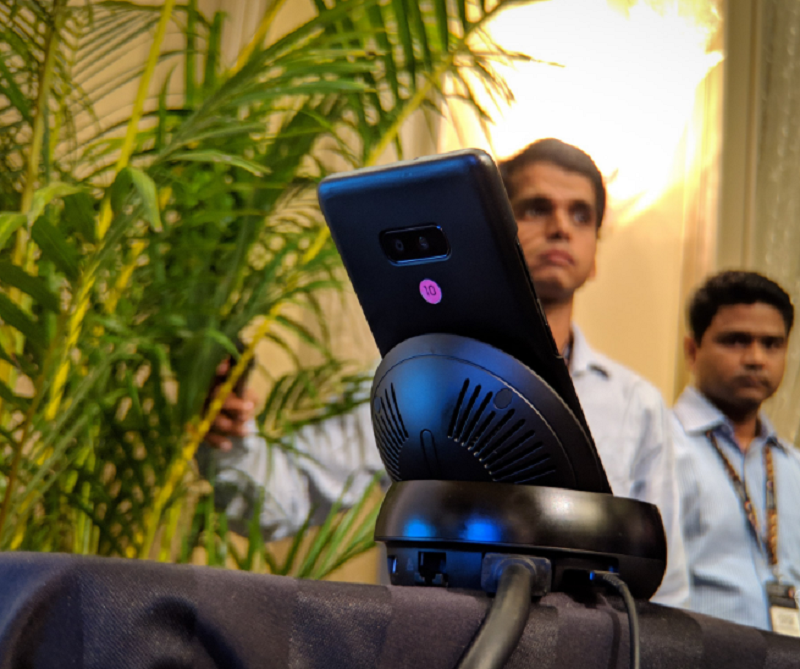
While Qualcomm's recently announced Snapdragon 855 processor will theoretically be capable of multi-gigabit speeds, and even today's LTE networks can top 400Mbps in some areas, the only 39GHz 5G network here in Maui runs at 130-140Mbps, network provider Ericsson reports to The Verge.
Ericsson built the network for both Verizon and AT&T here in Maui, and Ericsson representatives said: Because they built a network with 100MHz of spectrum and only had a few days to test and optimize it, the speeds are not what they should be.
These 5G networks should operate in the 400 to 800MHz range in the real world, an Ericsson. As devices are able to reach this range simultaneously, both speed and latency should improve.
As for AT&T, it's not trying to hide the slow speeds. "I'll tell you straight up that the speeds are not as blatantly fast as I would like them to be," says AT&T assistant vice president Glenn Couper, before confirming the 130-140Mbps speeds they were getting.
However, Netgear, which provides AT&T's first mobile hotspot, said we won't see these gigabit-plus speeds everywhere at launch. "It varies from market to market — some markets might have a few hundred megabits of bandwidth at 39GHz, others might go up to 5Gbps," it says.
None of the other 5G companies on Maui dispute that speeds are slow on the island. The companies also separately posted a similar comment, indicating they had prepared for this question in advance.
Now, you might be wondering – what about the journalists who claim to have seen over 470Mbps on the Verizon 5G Moto Mod, like PC Mag’s Sascha Segan? Motorola also confirmed to The Verge that speeds were limited to 130-140Mbps here in Maui, so those numbers don’t apply. We’ve reached out to Motorola now, who claims that throttling may have affected their demo, which quite frankly doesn’t make much sense, but we’ll keep you posted on their statements.
The Motorola / Verizon 5G speed test here in Maui tells me hilariously little. #SnapdragonSummit pic.twitter.com/obqkkTy2Jm
— Sean Hollister (@StarFire2258) December 5, 2018
Maui was supposed to be the real test, or so we thought. With just four weeks left before AT&T launches its 5G network in the United States, we still can't tell you that 5G will actually deliver on its promise of superfast speeds.
