

The concept of an “embedded SIM,” or “eSIM,” or “Virtual SIM” card for mobile devices has been around for a few years now, but it’s still new, given that even the terminology isn’t clear yet. Apple filed the first patent for a version of the “Virtual SIM,” or “Apple SIM,” in 2011 and has reportedly been designing it ever since.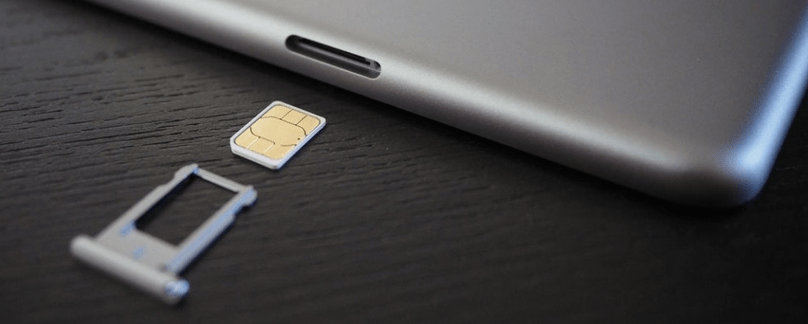
The idea behind an eSIM is to have a chip embedded inside the device instead of a removable card. This would allow users to avoid being locked into a mobile plan, or to switch providers without having to unlock or buy new devices.
The long-term goal is to create a standard eSIM, which will bring additional convenience, cost savings, and security to consumers and companies using mobile devices.
Apple and Samsung are reportedly working with the GSMA, the association representing mobile operators around the world, along with select international networks, to make eSIM a reality, according to VB.
Of course, they are very likely to face resistance from some phone providers, given that consumers will no longer have to buy their phones directly from them.
But consumers are tired of contracts, and hardware manufacturers are tired of facing market barriers that limit them on a global scale.
But let's see what advantages the adoption of eSIM will have:
Convenience: Phones will be thinner and lighter. Consumers will be able to easily switch mobile providers. In addition, they will be able to have more than one phone number. For companies (corporate packages), it will eliminate the need to purchase additional devices.
Cost savings: The old pricing methods will no longer exist and long-term contracts, which have already started to disappear, will no longer exist. This means that consumers will be able to change providers at any time. This can be done simply by developing software that will automatically choose to switch to another network depending on how fast and how cheap it is.
Travel: Consumers would no longer have to buy a local SIM card every time they change countries, as eSIM could offer a much simpler activation process. Roaming fees could be avoided, as an eSIM would be able to detect that the user is in another country and automatically switch networks. This would also make it easier for companies whose employees spend a lot of time traveling internationally.
Security: Since SIM cards will no longer be a piece of plastic, there will no longer be the threat of device theft. For companies, the eSIM card will contain additional security information that could be used to verify the authenticity of a user's equipment on a cellular network. This will make it easier to track down lost or stolen devices.
With all these added benefits that an eSIM provides, it's likely that it won't be long before it appears in future devices. Given that Apple filed the patent first, it's likely that the first devices with integrated cards will come from the company.
