

The release of yet more files leaked by Edward Snowden reveals the astonishing scale and scope of surveillance by GCHQ and governments more generally a year after the first revelations.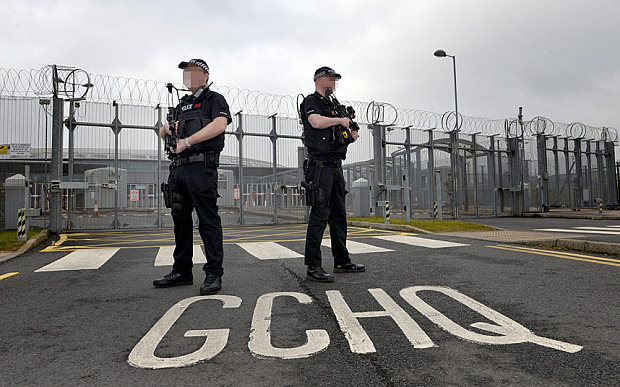
Recent revelations by the Intercept report a British GCHQ program known as “Karma Police.” Through this program, the intelligence agency collected more than 1.1 trillion pieces of information from UK citizens between August 2007 and March 2009.
This information comes from the metadata of Internet users and includes details related to phone calls, emails, passwords, contacts, phone numbers, email addresses, as well as the folders used to organize emails, but not the content of the messages or emails themselves.
This metadata can help identify individuals of interest, build profiles, and help intelligence agencies make decisions to initiate or escalate surveillance of individuals.
All of this information can be collected at minimal cost through traditional methods. In other words, metadata is not as insignificant as governments would have us believe. That's why governments collect and process it.
However, the mass collection of metadata – where information is collected from everyone rather than a “person of interest” – is rightly a deep wound to security and human rights.
Does collecting metadata make us safer?
It is far from clear that the mass collection of metadata makes society “safer.” While this data may be used in the investigation of crimes, its use in the prevention of terrorist incidents is controversial.
This does not mean that security services cannot report cases in which they were helped with information about potential attacks, but it cannot justify mass data collection over targeted one.
Mass metadata collection relies on algorithmic analysis by computers followed by human judgment.
Herein lies the main issue. It is unclear whether information is being properly evaluated, or whether false positives are being created, by adopting an approach that focuses on computational power rather than human judgment and experience.
Is monitoring justified?
But let's assume that mass surveillance does a very good job and the data collection can be justified. Could that be an excuse?
The answer, in my opinion, should be determined by the oversight and importance we attach to our political rights.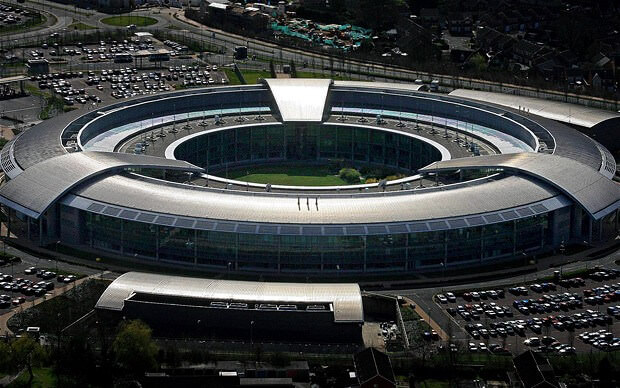
An entity that collects and processes this volume of information needs oversight.
However, we have seen that, despite GCHQ being subject to oversight by the Intelligence Commissioner, and the Foreign Secretary, we still rely on leaks and whistleblowers to get a clear picture of what is going on.
However, we are in the present day and the development of mass data collection and computer processing by government agencies is essentially reinforcing a new society that is highly political and business-oriented and is potentially giving us a new popular perception of what "private life" is and what it really entails.
What will we be entitled to keep for ourselves? What is our private space and is this space shared with the state?
As the Court of Justice of the European Union said in April 2014, metadata “may allow very precise conclusions about private life…. For any retention regime, appropriate safeguards and limitations are needed, otherwise the effects of surveillance could be corrosive, creating a chilling feeling that “each of us is constantly being watched”.
With information from TNW.
