

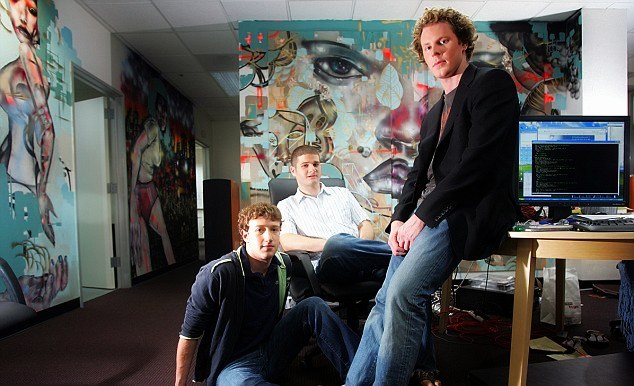
Napster and Facebook co-founder Sean Parker believes that the combination of youth, idealism, confidence and naivety make up the right combination for highly successful technology entrepreneurs to solve many problems that governments and social institutions are unable to address.
While wealthy individuals donate money to causes that are still feasible and are careful to protect their future existence, Parker continues to fund research through “the Parker Foundation,” in the areas of immunotherapy, in which the immune system is used to fight cancer. In a WSJ column, Internet billionaire Sean Parker shares his views.
https://www.secnews.gr/102304/ethihak-live-hacking-contest-teleytaia-dekada/btn-large” variation=”btn-success”]EthiHak Live Hacking Contest: ENTRY CLOSES! Catch the last 10 today!!!
Last week, the former Facebook chairman announced that he would donate $4.5 million to focus on eradicating malaria from the planet over the next 25 years. He says that hackers, who are typically seen as troublemakers, are dedicated problem solvers. They are good at finding holes in the system and therefore can propose a truly correct and practical alternative to a given system.
Hackers prefer to use metrics and analytics to determine the true impact of their work, which is lacking in today's conservative approach to philanthropy. By defining these channels, hackers can really help us understand the nitty gritty of philanthropy and extract maximum value from donations.
Youcaring CEO Chris Kibarian argues that while the ability of hackers to do great good is significant, it is massively overshadowed by the pockets of the world's 7 billion people. 'Compassionate crowdfunding' as they call it, is changing the way people donate, all over the world.
https://www.secnews.gr/102163/free-pdf-password-remover-software/Read: Break PDF passwords with 4 Free Password Remover Software! 😉
According to the Charity Aid report, if the middle class around the world donated 0.4 percent of their spending to charity, they could contribute $224 billion to charity. Donating has become incredibly easy through mobile apps, and with the increasing use of mobile, the industry is expanding. People are no longer interested in the collective wisdom of charities and want to better understand the person or cause they have donated to. The “mobile generation” is already turning to the means of giving offered by new technologies that best suit their charitable goals and lifestyles.
The challenge for techno-philanthropists would be to develop such transformative platforms that help scale these actions globally and create transparent means that can help understand the fine details of the impact and achievement of philanthropic activities.
The good news is that Sean and the other members of the “elite” have the knowledge to develop such scalable systems. That is their greatest asset, their legacy.
https://www.secnews.gr/102239/debian-linux/btn-large” variation=”btn-success”]Read more: Debian Linux: Understanding the Universal Operating System!
