

According to a survey by Kaspersky Lab and B2B International, one in five Internet users believe that their login details are of no value to hackers, or rather to cybercriminals. However, login details are “keys” to users’ personal data, privacy, or even money, and if they are intercepted, not only individual users but also their contacts may be affected.
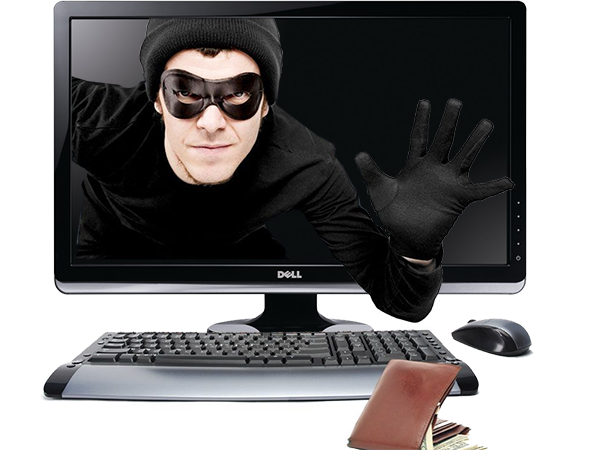
For example, a “compromised” email account can give fraudsters access to every account the user has linked to it, thanks to the messages they receive notifying them of successful registrations or responses to password recovery requests. In turn, a compromised account on a social networking site makes it possible to spread spam ads and malicious links. The password for an online store account gives cybercriminals (hackers) the opportunity to collect financial data and spend other people’s money. However, only half (52%) of respondents in Kaspersky Lab’s survey mentioned login details among the valuable information they would not want to see in the hands of cybercriminals, while 21% of respondents did not consider their passwords to have any intrinsic value to criminals.
Kaspersky Lab research shows that users often take the easy way out when creating and storing their login details. Only 26% of users create a separate password for each account, while just 6% of respondents use special password management software. However, 18% of respondents write down their login details in a notebook, 11% save them in a file on their device, and 10% leave them on a sticker near their computer. At the same time, 17% of users freely share personal login details with family members and friends.
At the same time, Kaspersky Lab research statistics show that stolen login credentials are a common occurrence. In 2014, according to Kaspersky Security Network data, Kaspersky Lab products protected 3.5 million people from malicious hacker attacks that could steal usernames and login credentials for various types of accounts. 14% of Kaspersky Lab survey respondents from 23 countries also reported that their accounts had been compromised during the year.
“Even if someone is not a celebrity or a billionaire, hackers can take advantage of anyone’s login details,” said Peter Aleshkin, Consumer Marketing Group Manager for Emerging Markets at Kaspersky Lab. “A password is like a house key. None of us would leave our house door unlocked or our keys lying around where anyone could find them, just because we might think we don’t have something of great value. Using complex passwords, which are unique for each account and carefully stored in a secure place, can save users a lot of trouble,” he added.
To protect accounts from unauthorized access, users should:
- Create a unique password for each account: if one of them is stolen, the rest will remain safe.
- Create a complex password that will not be easy to crack even with the use of special programs. This means that it should consist of at least 8 characters, uppercase and lowercase letters, numbers, punctuation marks, but not pet names or dates of birth!
- Do not give their passwords to anyone, not even friends, as cybercriminals may steal passwords from their devices.
- Store their passwords in a safe place. They should also not write them down. It is best to either memorize them or use a special program for storing passwords from a trusted vendor like Kaspersky Lab, such as Kaspersky Password Manager, which is integrated into Kaspersky Total Security – Multi-Device.
Kaspersky Password Manager not only securely stores strong passwords, but also automatically enters the user's passwords into websites, without the user having to remember multiple complex passwords. Generating strong passwords is another feature of Kaspersky Password Manager for Windows.
Source: iguru
