

The idea of a robot taking over everyday tasks at home is no longer a science fiction scenario. UniX AI claims to be closer than ever to realizing this vision, introducing the new Panther, a system designed to function as a complete home assistant. Unlike existing solutions that focus on a single task, this robot aims to manage entire routines in the home, from waking up in the morning to cleaning.
The most impressive thing is that the company is not limited to laboratory tests, but is already evaluating the robot in real homes and service environments. This transition from controlled scenarios to everyday conditions is one of the most important steps for the mass adoption of the technology.
UniX AI: The technology behind Panther
UniX AI's robot is approximately 1.7 meters tall and weighs close to 74 kilograms, while it moves on wheels. This option enhances stability and allows for greater autonomy, which ranges from 6 to 12 hours of operation, depending on use.
See also: Would you accept an AI boss? Changes in the job market
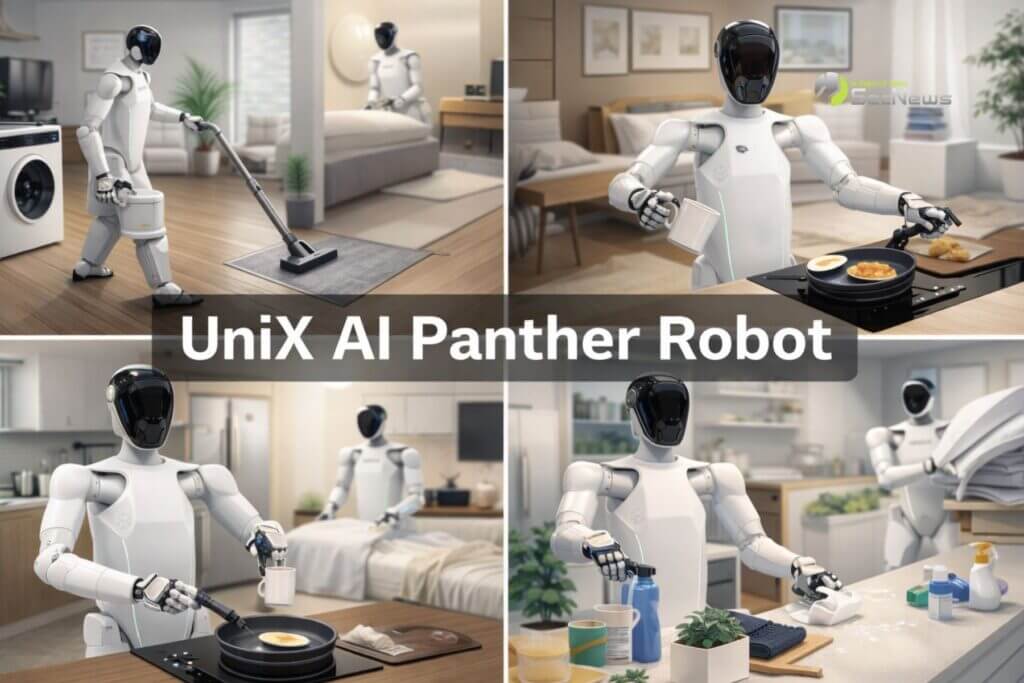
User interaction is via a six-microphone array, allowing for natural voice commands. At the same time, robotic arms with multiple joints can pick up objects and perform fine movements, which is essential for everyday tasks such as tidying up.
At the core of the system is a sophisticated set of sensors, cameras and technologies such as LiDAR, which allow the robot to map space, recognize objects and avoid obstacles in real time.
From simple command to integrated action
Unlike most "smart" devices, Panther is not limited to executing individual commands. It is designed to complete entire sequences of actions, dynamically adapting to the environment.
In demonstrations, the robot has been shown preparing simple meals, organizing items, and interacting with other home appliances. This capability is especially important, as real homes are full of unpredictable situations, from clutter to constant changes in the arrangement of items.
The tasks being tested include cleaning surfaces, carrying objects, assisting with daily routines and basic kitchen chores. While they may seem simple to a human, they pose a significant challenge for robotics, requiring a combination of perception, precision and decision-making.
See also: The Figure 3 Humanoid Robot in the White House
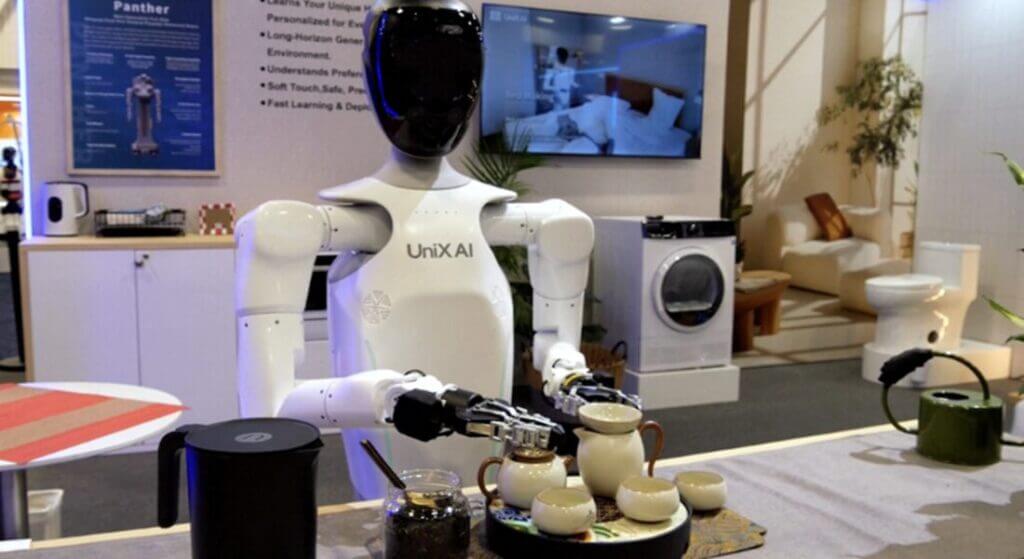
What differentiates it from existing robots?
The key difference between Panther and other home appliances is its design philosophy. While products like robotic vacuums perform a specific function, UniX AI's system acts as a general-purpose assistant.
The built-in artificial intelligence allows the robot to plan and execute a series of actions without constant guidance. In other words, it doesn't just respond to commands, but takes initiative, bridging the gap between software and the physical world.
The obstacles that remain
Despite progress, widespread adoption of such robots still faces significant challenges. Home environments are particularly complex, with changing lighting, different materials, and constant changes in layout.
Additionally, tasks such as folding clothes or handling delicate items remain difficult for today's systems. At the same time, cost and security issues are critical factors for consumers, who will find it difficult to trust such a device without proven reliability.
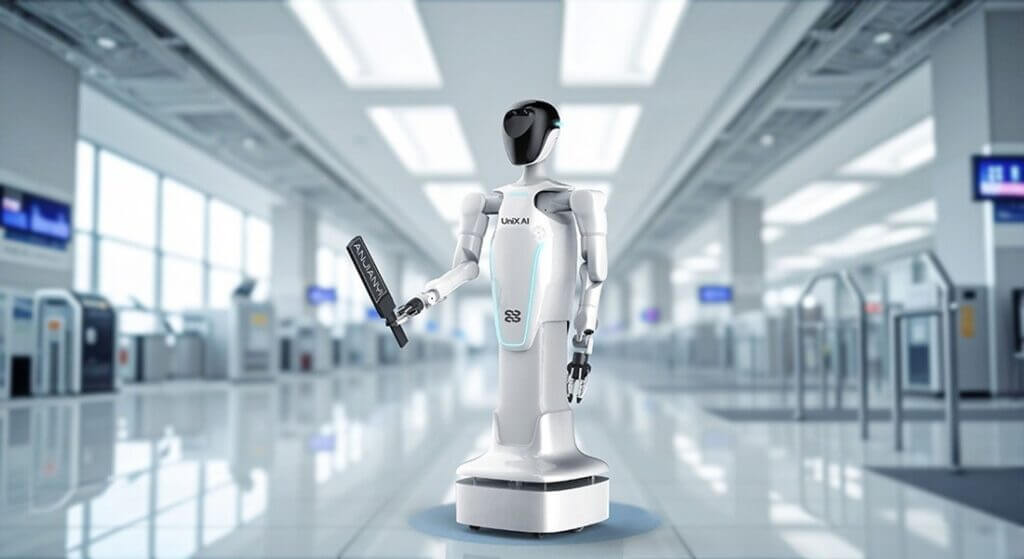
The future of domestic helpers
This development clearly shows the direction of technology: towards a world where robots will take on more and more everyday tasks. Although we are not yet at the point where such a system will completely replace human activities, progress is evident.
See also: Helix 02: The robot that cleans the house without human intervention
At the same time, important issues of privacy and trust, as these are devices that “see” and “listen” within the home. Their success will depend not only on the technology, but also on whether companies manage to ensure the protection of users.
In any case, UniX AI's Panther offers a first realistic look at the future of smart homes, where artificial intelligence will not be limited to applications, but will gain a physical presence in our everyday lives.
