

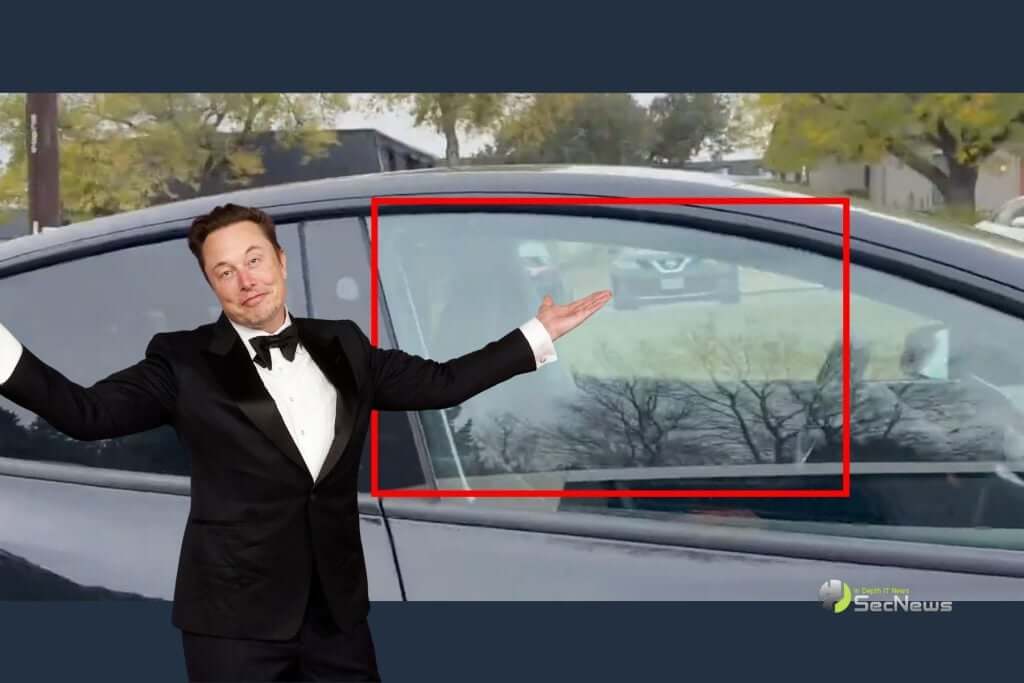
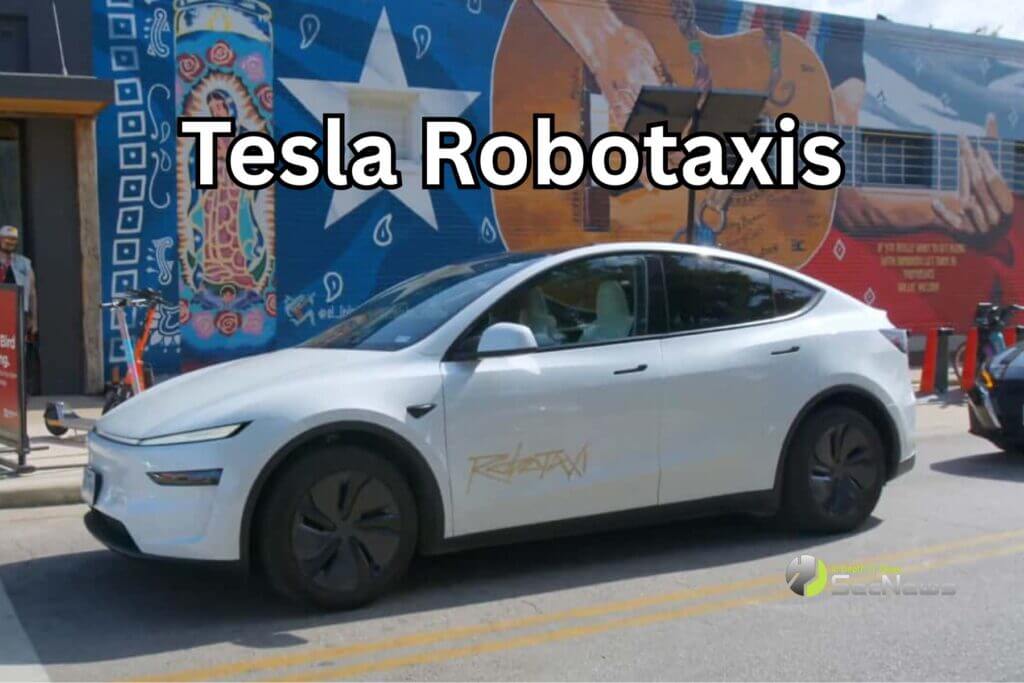
Tesla has expanded the geographic area for its unmanned “Robotaxi” service in Austin, Texas, increasing the area where the vehicles can operate without a safety attendant inside the car. However, social media impressions show that only a few vehicles — between 4 and 8 Model Ys — are actually operating without a human safety attendant, and even those are operating under remote supervision by Tesla.
See also: Tesla promotes 'Full Self-Driving' for driver who loses his sight
The service area expansion is part of a pattern Tesla has been following since the launch of its robotaxi pilot program in Austin in June 2025. The robotaxi’s total geographic area in Austin has grown to approximately 245 square miles — about 12 times the initial footprint of 20 square miles — through a series of expansions in recent months.
There is a significant discrepancy between the size of the map and the number of vehicles actually operating unattended. According to tracking data and social media appearances, the unattended fleet consists of fewer than a dozen vehicles, with only a few operating at any one time. The total fleet in Austin consists of about 37-42 vehicles, with the majority still having security guards.
Tesla’s “unattended” robotaxi can now operate in a slightly larger area of its total service area in Austin. It’s important to clarify what “unattended” means in Tesla’s context. There is no human safety supervisor inside the car, but Tesla still remotely supervises these vehicles. Earlier in the program, this supervision involved physical surveillance cars following the robotaxi; now it appears to include remote monitoring.
See also: Tesla delays FSD approval in Europe again

In any case, these vehicles do not operate fully autonomously. The expansion is progress, but it must be seen in the context of Tesla’s promises. CEO Elon Musk has a history of missing his own deadlines for autonomous driving. At Tesla’s “Autonomy Day” in 2019, Musk predicted a million robo-taxis on the road by 2020. That deadline passed without a single vehicle in commercial autonomous service. In 2022, he said Tesla would mass-produce robo-taxis by 2024, which did not happen. For 2025, the promises were more specific and equally unfulfilled.
Musk told investors that Tesla will have 500 vehicles operating in Austin and more than 1,000 in the Bay Area by the end of the year. The actual numbers are about 42 in Austin and about 130 in San Francisco, almost all with safety guards. He also promised 8-10 metropolitan areas by the end of 2025 and said robo-taxis would reach “half the U.S. population.”.
The service hasn’t expanded beyond Austin and San Francisco, the latter being limited to Tesla’s Level 2 system. Now, Tesla has set new goals for 2026: expanding to Dallas, Houston, Phoenix, Miami, Orlando, Tampa and Las Vegas in the first half of the year, with Musk claiming at Davos in January that robo-taxis would be “widespread” across America by the end of the year.
See also: NHTSA: Tesla is one step away from FSD recall
Given the history, the skeptical approach is justified. The competitive gap makes Tesla's current situation even more stark.
