

OpenAI has added a feature to ChatGPT, allowing users to get a personalized overview of ChatGPT usage for 2025.This summary is similar to the annual reviews from companies like Spotify, Apple Music, YouTube, and other services.
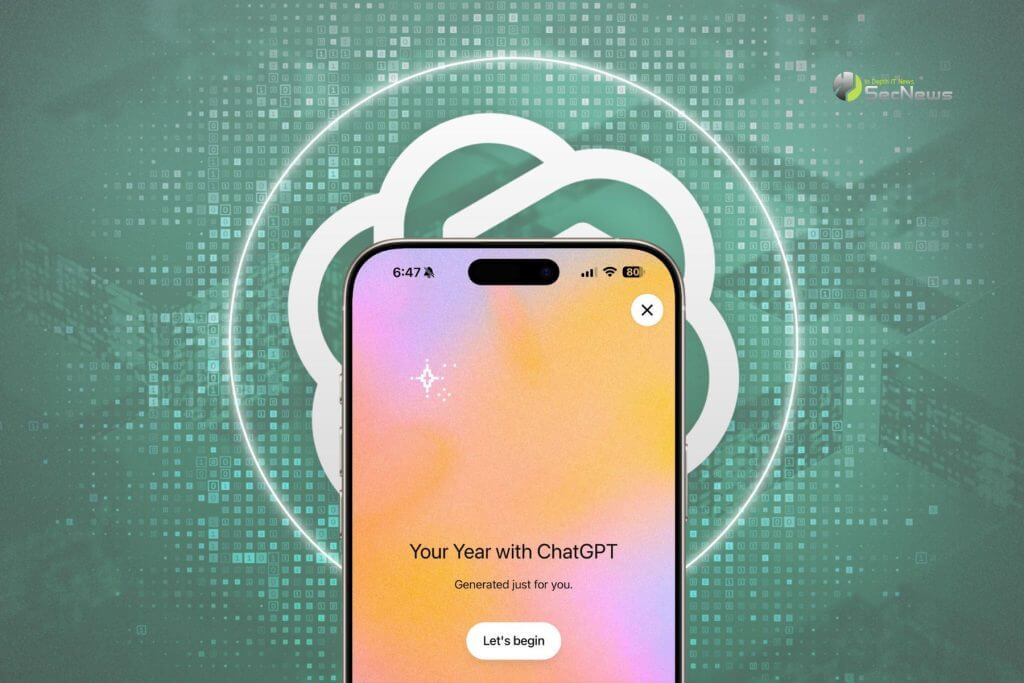
ChatGPT: How does the new summary feature work?
ChatGPT offers an overview of topics discussed and chat statistics, such as the busiest day for chats, the total number of chats, messages sent, and more. ChatGPT provides each user with a chat style based on their writing or speaking habits, along with an “archetype” based on their ChatGPT usage.
See also: OpenAI ChatGPT and Anthropic take action for underage users
The year-end update also provides a poem, a personalized pixel painting, a “prize” for 2025, and predictions for 2026.
ChatGPT users can get their annual summary by telling ChatGPT: “Show me my year with ChatGPT” in the ChatGPT app or on the web. Summaries are available to Free, Pro, and Plus who have ChatGPT chat history and memory enabled.

Countries where the feature is available include the United States, the United Kingdom, Canada, New Zealand, and Australia.
See also: OpenAI: ChatGPT app store is here
This move is not accidental. The big platforms know that users love to see themselves through statistics, especially when they are presented in an interactive and personalized. OpenAI, with the new summary feature, shows that ChatGPT is not just a productivity or information tool, but a digital companion that “remembers” and analyzes its relationship with the user.

The new summary feature reveals OpenAI's strategy: ChatGPT is evolving from a tool to an experience platform. Personalization, data storytelling, and emotional connection are elements that until recently we mainly encountered in social and entertainment apps. Now, they are dynamically moving into the field of artificial intelligence.
See also: ChatGPT: Apple Music integration and new Image Generator
If this is the beginning, then in the future we could see even deeper usage analytics, dynamic insights, and AI that doesn't just answer our questions, but helps us better understand our own digital selves.
