

The concept of Human DigitalisTwins one of the most radical developments in modern technology, extending the original industrial definition of digital twins beyond machines and factories and introducing it to the human body itself. Digital Twins are not just a static digital representation; they are a dynamic, evolving model of an individual, based on a continuous stream of data from sensors, medical tests, wearables, and even psychosocial indicators. Their goal is to accurately simulate the health, behavior, reactions, and potential developments of the organism, offering a new level of understanding and prediction.
See also: HMND 01 Alpha Bipedal: The robot that learned to walk in 48 hours
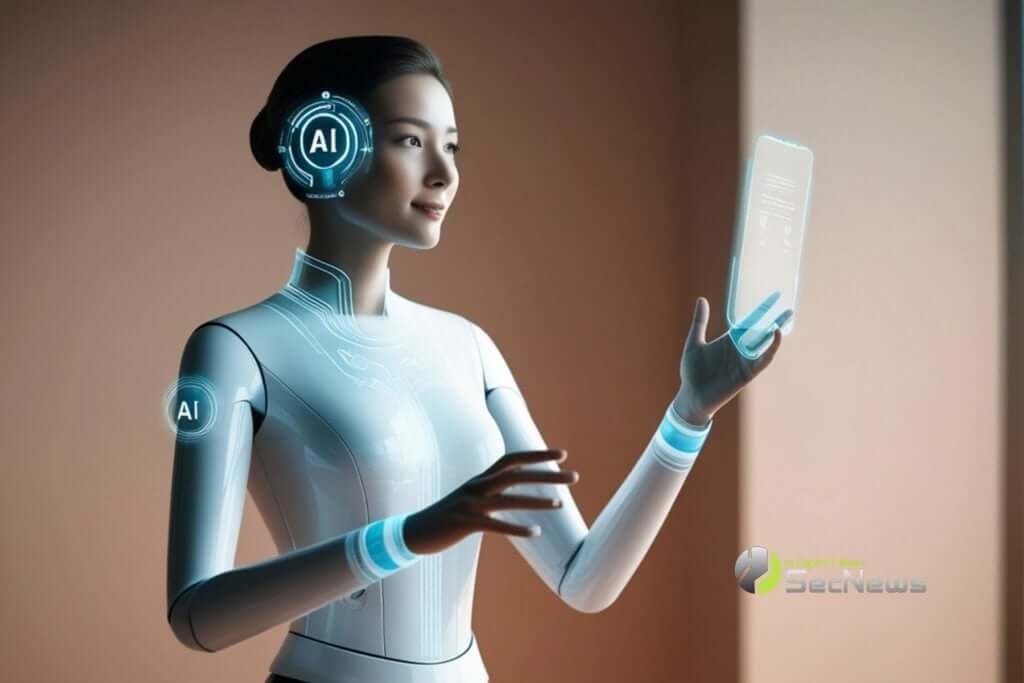
In medicine, this technology is creating a whole new paradigm of care: fully personalized treatment. Through the digital twin, a doctor can study how a patient’s body will react to a drug or a surgical procedure without ever putting the patient at risk. It can also detect early signs of disease, predict potential complications, or analyze the overall course of health with greater precision than any traditional method. This leads to a medicine that doesn’t just cure, but prevents; it’s not based on general rules, but on personalized data.
See also: MIT: Uses ultrasound to extract drinking water from the air
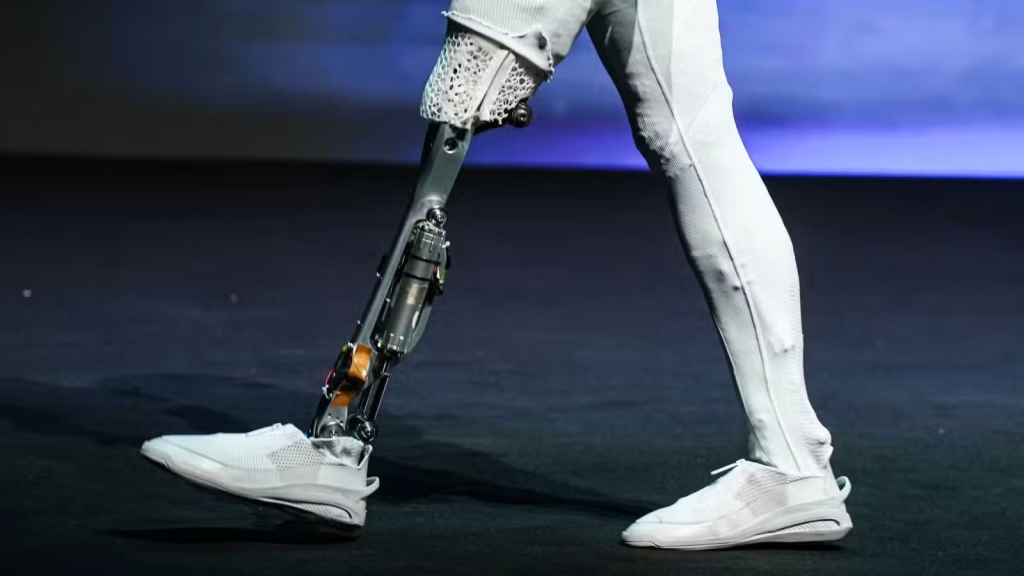
But beyond health, digital twins promise applications in other areas as well. In athletic performance, they can predict injuries or optimize training. In the workplace, they might be used to assess fatigue or stress and create safer conditions. In personal technology, they might function as digital advisors who know the body and its needs better than even the person themselves.
However, the rise of human digital twins comes with a host of ethical and social challenges. The data required to create them is extremely sensitive and concerns the most personal aspect of human existence. Questions arise about who has the right to access a digital twin, who is responsible for its protection and how vulnerable it is to cyberattacks. In addition, philosophical questions about identity are raised: to what extent can a digital representation be considered an “extension” of the human being? Could it one day function autonomously, making decisions on our behalf?
See also: Meta signs AI licensing deals with CNN, Fox News and USA Today
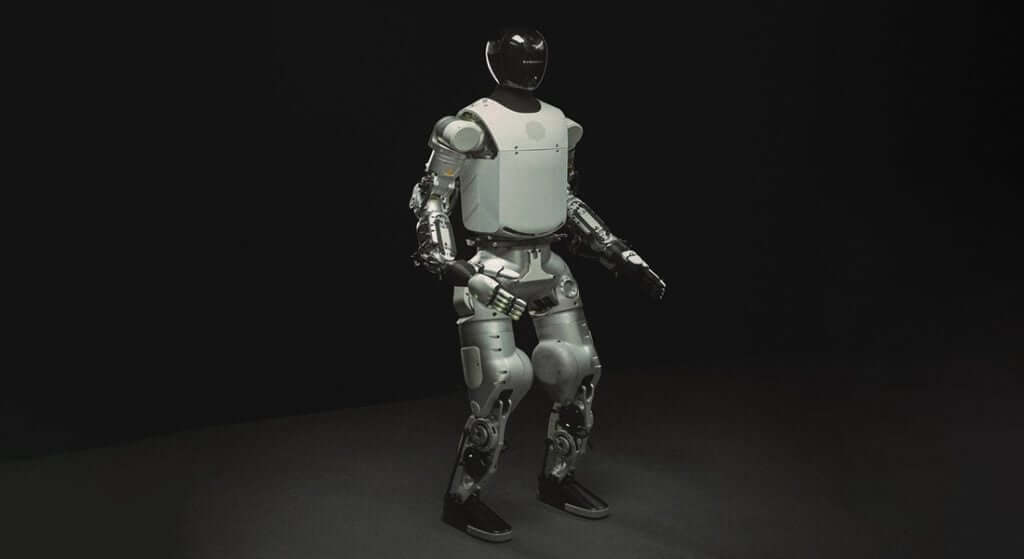
Despite the challenges, the technology of human digital twins seems inevitable and very promising. The ability to simulate our health in real time, to understand our body more deeply and to predict critical situations before they even appear, is a revolution that is changing not only medicine but our relationship with our bodies as a whole. The future shows that our digital self will become a valuable advisor, tool and perhaps a mirror of a more conscious and healthy life.
