

The iPhone Air was arguably the biggest innovation in iPhone design since the iPhone X. The iPhone Fold, which is expected to be released next year, represents an even bigger change.
See also: The foldable iPhone will have 3 groundbreaking features
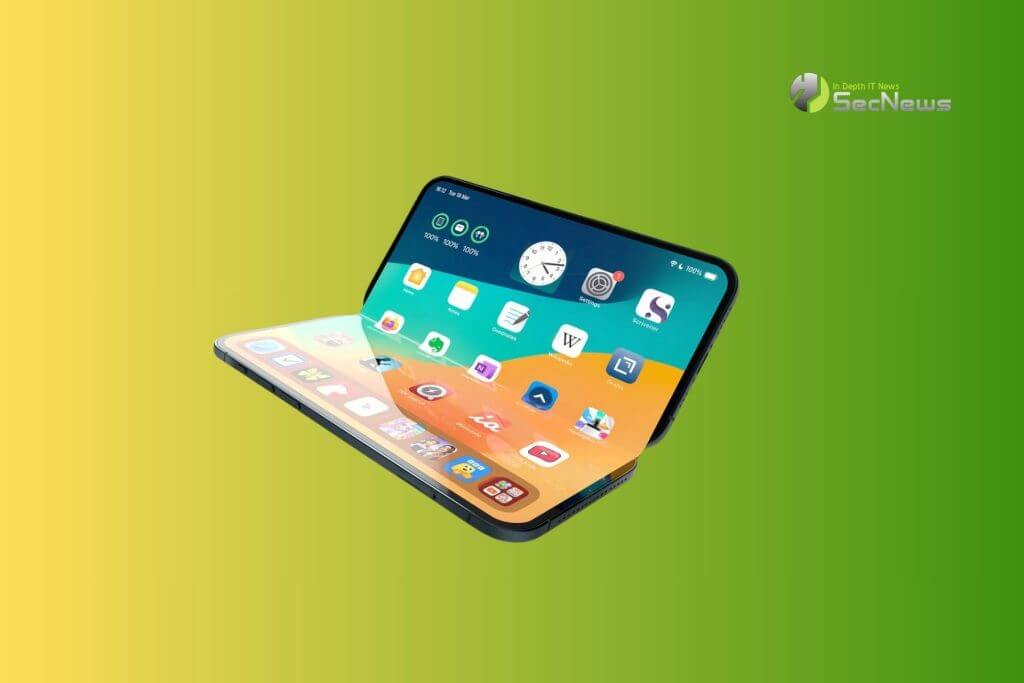
All signs point to the iPhone Fold being the best foldable smartphone yet, but there's one major problem: Apple historically doesn't aim to be first to market with new technology, but to be the best. The company observes and learns from others' mistakes before launching its own version of the technology.
Apple has waited a long time to enter the foldable smartphone market. Samsung released its first foldable phone seven years ago, which means Apple will enter the market eight years later.
The wisdom of that wait became clear when the first Galaxy Fold was released, which was a disaster. Samsung sent out models for review that had significant issues, leading to delayed launches and customer order cancellations.
See also: iPhone Fold: Close to mass production – Has the "creasing problem" been solved?

Two persistent design issues were a visible crease in the center of the opened screen and vulnerability to damage from dust and dirt during folding.
This year, Apple was reportedly satisfied with the display quality of the iPhone fold prototypes after its engineers worked to eliminate the crease.
The most obvious problem with the iPhone Fold is its potential price, which is estimated to be about twice as much as an iPhone Pro model, potentially reaching as high as $2,500. That price raises questions about how many consumers would be willing to pay over $2,000 for the iPhone Fold, especially given the reluctance to pay a premium for the sleek design of the iPhone Air.
This pricing strategy may limit sales to the most enthusiastic early adopters. While price is a major concern, the combination of price and longevity is a bigger issue. Consumers are expected to keep a well-equipped MacBook Pro for five years or more, but most iPhone users tend to replace their devices every one to two years.
See also: Apple: Hopes are rising for the iPhone Fold in 2026
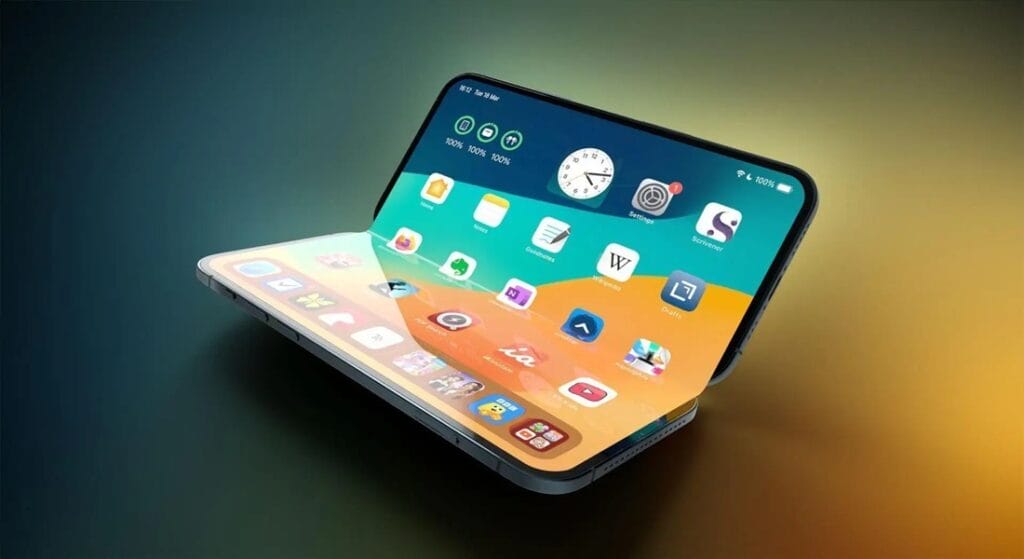
Apple's premium products typically hold their value well, allowing for a decent resale value when upgrading. However, that may not be the case for the iPhone Fold. The manufacturing costs of foldable phones are expected to drop rapidly, leading to lower purchase prices and reduced resale values for older models. Buyers of the first-generation iPhone Fold may face the dilemma of holding on to it for years to recoup their money or suffer a significant financial loss when upgrading to a new model.
