

The advancement of technology has ushered in a new era where the boundaries between man and machine are beginning to blur. Neurotechnology, the science that directly connects the brain to electronic devices, is evolving at an astonishing rate. Implants that restore vision, prosthetic limbs controlled by thought, and brain-computer interfaces like those being developed by Neuralinkare now a reality. The ability to not only heal, but also enhance human abilities through technology raises new questions about the future of humanity.
See also: Special implant and smart glasses help blind people
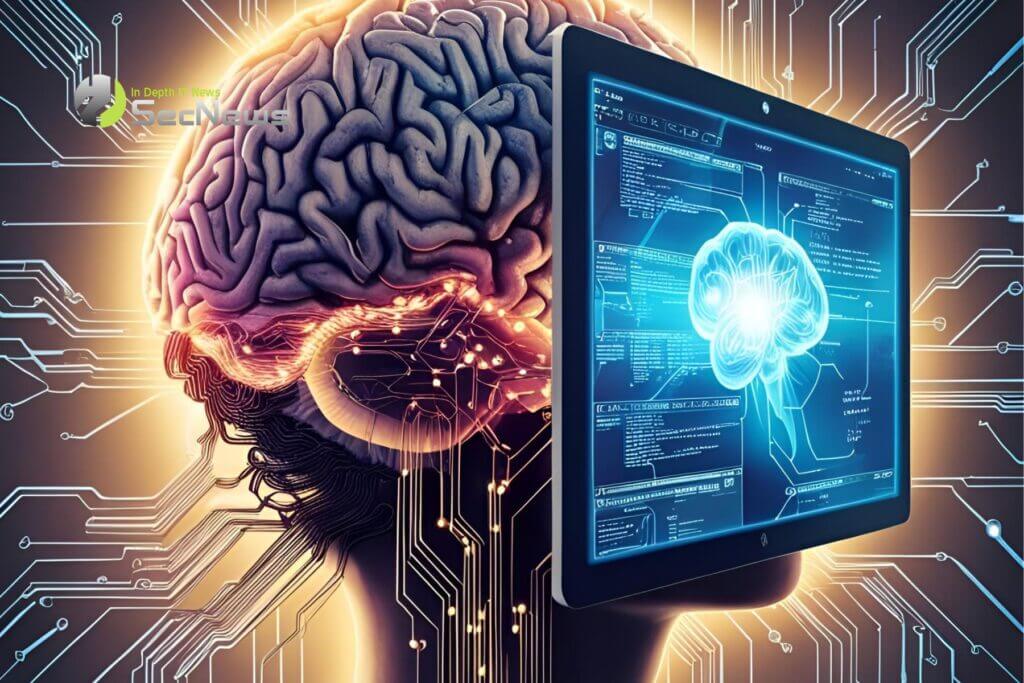
Neurotechnology began as a field aimed at restoring health. The first brain implants were designed to help people with severe disabilities, allowing them to move artificial limbs or communicate through thought. However, the same technology can also be used for purposes that go beyond rehabilitation: improving memory, concentration, or even creativity. The concept of “human augmentation” brings with it the prospect of a world where humans can directly intervene in their cognitive functions and overcome their natural limits.
See also: Paradromics: The first implantation of BCI technology in a human
While this vision seems exciting, it comes with a host of ethical and social problems. Who will have access to such technologies? If only the economically powerful can improve their abilities, social inequality will increase dramatically. There is also the question of identity: if a person modifies their brain to think or feel differently, is they still the same person? The line between human and machine is becoming increasingly thin, raising deep existential concerns.

Another issue concerns security and control. If brain-connected devices can be hacked or controlled by third parties, then the concept of freedom and privacy takes on a new dimension. Experts point out that a strict legal framework and international cooperation are needed to prevent abuses and ensure that the technology truly serves people.
See also: Neuralink Blindsight: FDA approval for vision restoration implant

Neurotechnology, then, is one of the most impressive but also controversial fields of modern science. If used responsibly, it can offer invaluable benefits in medicine and education, improving the quality of life of millions of people. However, if applied without ethical barriers, it can lead to a world where man will gradually lose control of his own nature. The challenge of the 21st century is to find the balance between progress and humanity — a balance that will determine not only the future of technology, but also the future of man himself.
