

A Chinese startup called AheadForm is making headlines thanks to a video it posted on YouTube. In the footage, a robotic head blinks, nods, and looks around in a way that resembles a real person. The facial expressions are convincing enough to inspire awe and raise questions about the future of human-machine interaction.
AheadForm , founded in 2024, is on a mission to bridge the gap between robotics and human communication . According to the company, the goal is not only to create realistic mechanical faces, but to integrate them with advanced AI systems so they can understand and respond to humans in real time.
See also: Ant Group R1: The humanoid robot that will compete with Tesla Optimus
From the lab to everyday life
The model presented, Origin M1, includes 25 tiny motors that individually control facial expressions. These motors operate silently and allow the robot to perform movements such as muscle twitches or small glances, which are difficult to distinguish from natural human reactions. In addition, cameras placed in its pupils offer the ability to “see”, while microphones and speakers allow two-way communication.
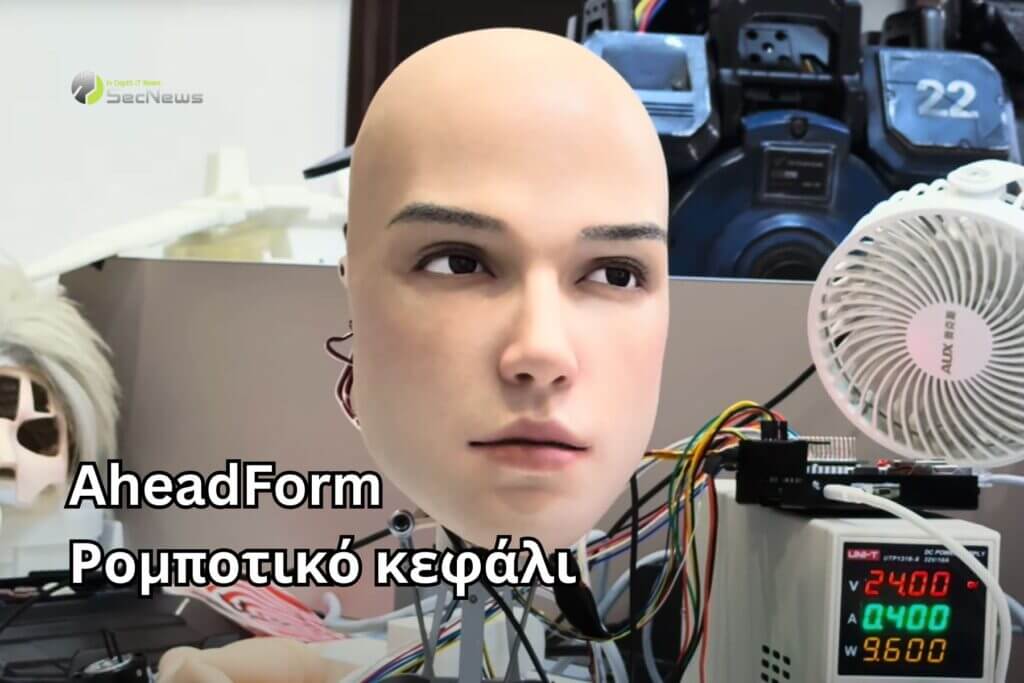
Although the product has not yet been commercially available, its potential applications are numerous. The company talks about education, healthcare and customer service, areas where trust and naturalness in communication play a key role. In entertainment, respectively, the technology could be used in theme parks or in virtual assistants with a realistic human presence.
See also: Tesla: Optimus humanoid robot incorporates Grok
Researchers at AheadForm are already working on how this could evolve. In a 2024 study published in the journal Science Robotics, AheadForm founder Yuhang Hu and his colleagues designed a robot that could analyze, predict, and mimic human facial expressions in real time.
The broader trend of robot anthropomorphization
AheadForm's effort is part of a global trend: the development of humanoids that can express emotions and interact naturally with humans. The robotics community sees this as an important step towards the acceptance of robots in everyday life. The more convincingly they express and communicate, the easier it will be for users to integrate them into their activities.

But the same progress raises questions. Too much realism can lead to what experts call the “uncanny valley” – the strange, uncomfortable feeling caused by something that is almost human but not quite real. AheadForm seems to be very close to that limit, which may excite researchers but worry ordinary users.
See also: Robot dog ANYmal plays badminton against humans
Robotic head: Prospects and considerations
Incorporating large language models (LLMs) into such platforms means that robotic heads will not be limited to expressions, but will be able to converse naturally. In a future healthcare scenario, a patient could converse with a robot that not only responds accurately, but also shows understanding through its expressions.
At the same time, however, the development of this technology also requires new discussions about the ethics of robotics. How ready is society to accept machines that so convincingly imitate the human face? How will users be protected from potential malicious use, such as deception through "robotic news presenters" or bots used in psychological operations?
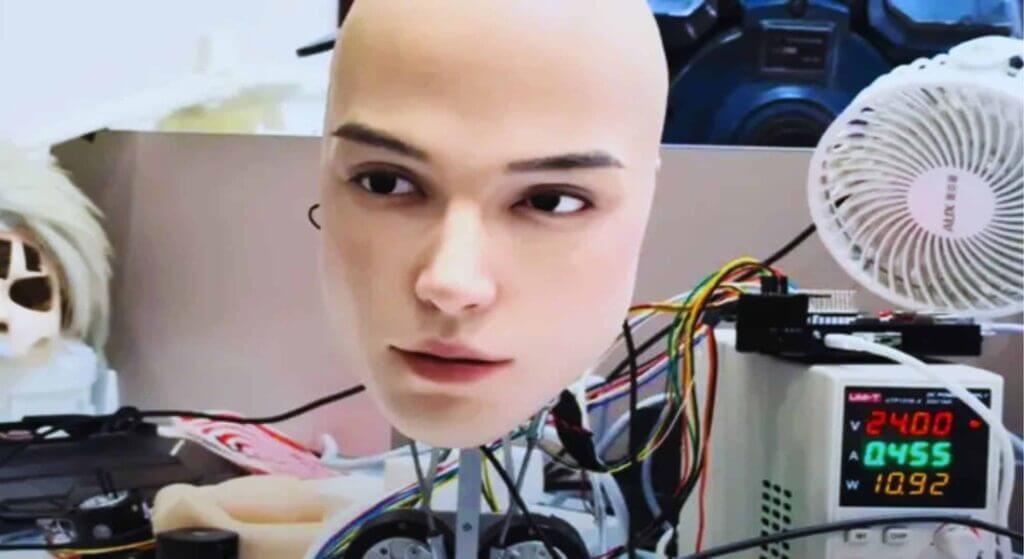
AheadForm with the Origin M1 shows the future of robotic interaction: machines that not only understand, but also express. Although the technology is not yet available to the general public, its progress brings us one step closer to a world where robots will be an integral part of our daily lives – not just as tools, but as “interlocutors”.
Whether this development will fill us with excitement or concern remains to be seen over time.
