

The Federal Communications Commission (FCC) has proposed fine for VoIP service provider Telnyxfor failing to comply with Know Your Customer (KYC) rules. This lack of compliance allowed some customers to make robocalls that impersonated the FCC’s fictitious “Fraud Prevention Team” and attempted to scam real government agency. However, Telnyx denies the charges.

The people behind the robocalls created Telnyx accounts using the names “Christian Mitchell” and “Henry Walker” with the same address in Toronto, Canada. However, the IP addresses were traced to Scotland and England. They are known as the “MarioCop” accounts because they both used email addresses in the same mariocop123.com domain.
See also: Man jailed for investment fraud and theft of $50 million
Between February 6 and 7, 2024, the scammers made 1,797 robocallsbefore Telnyx closed their accounts. Some of their calls targeted more than a dozen FCC staff members and their family members.
According to the FCC, the callers used pre-recorded messages with artificial voices, saying: “Hello [recipient name], you are receiving an automated call from the Federal Communications Commission informing you that the Fraud Prevention Team would like to speak with you.” However, the FCC does not have a fraud prevention team. It is believed that the purpose of the robocalls was to “threat, intimidate, and defraud” FCC staff. At least one recipient of these calls was asked to pay the FCC $1,000 in Google gift cards to avoid jail time for crimes against his state.
The FCC said it does not “publish or share personal phone numbers of personnel” and it is “unclear how these individuals were targeted.”
According to the FCC, Telnyx failed to take the necessary steps to prevent malicious actors from using the VoIP network, violating Know Your Customer (KYC) rules.
Such measures include requiring copies of ID, corporate formation records, and documents regarding a customer's physical address.
See also: Crypto-romance scams are on the rise – how to avoid them
However, the FCC claims that before opening the MarioCop accounts, Telnyx collected only a name, non-free email address, physical address, and IP address from each applicant, “without further requests for confirmation or independent verification of the information.”.
“Carriers need to know their customers and secure their networks to prevent fraudulent and malicious calls,” said Patrick Webre of the Enforcement Bureau.
Telnyx denies FCC allegations
In a press release published Wednesday, Telnyx denied the allegations, saying the FCC is wrong.
“Telnyx has done everything and more than the FCC has required for Know-Your-Customer (“KYC”) procedures,” the company said.
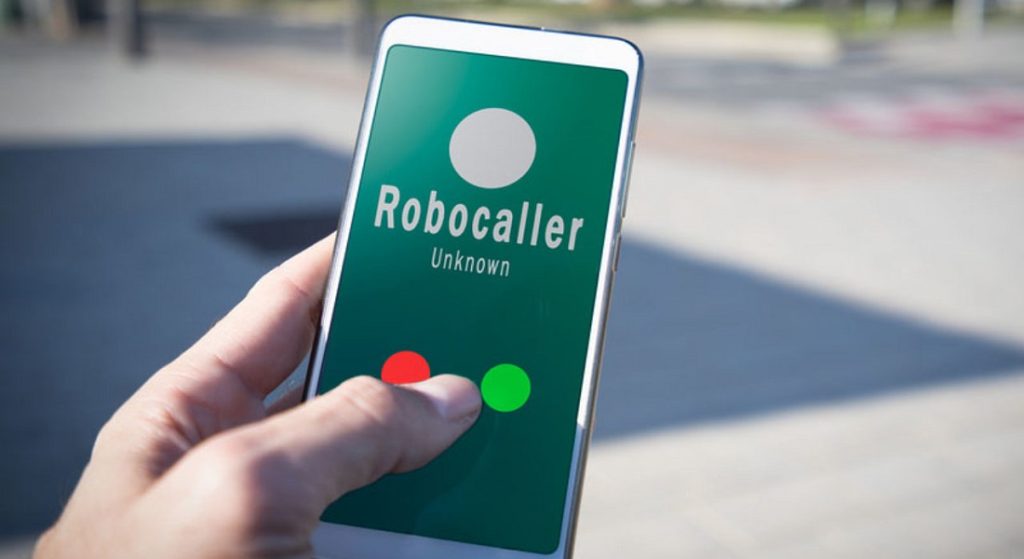
Protection from robocalls
One of the most effective ways to protect yourself from robocalls is to avoid answering calls from unknown numbers. If the call is important, the caller will likely leave a message.
🔒 Protect your privacy with Proton VPN
Swiss VPN from the creators of Proton Mail — strict no-logs policy, strong encryption, and built-in NetShield that blocks ads, trackers, & malware.
- ✔ No-logs, based in Switzerland (except 14-Eyes)
- ✔ NetShield: blocks ads, trackers & malicious domains
- ✔ Covers all devices — free version available
The link is an affiliate link — SecNews may receive a commission at no additional cost to you. It does not affect the independence of our article writing.
Additionally, consider using call blocking tools or apps that can automatically filter out suspicious robocalls. Many smartphone operating systems now include built-in features to flag or block unwanted calls.
Never share personal information, such as your social security number or bank details, over the phone.
See also: FBI: GenAI helps fuel financial fraud
Stay informed about current scam tactics. Scammers are constantly evolving their methods, so it’s important to stay up to date on the latest trends and warning signs. Watch out for common red flags, such as urgent or threatening language, requests for personal information, and offers that seem too good to be true.
Research any unknown numbers that call you before answering, as many scammers use fake numbers to make their calls appear legitimate. By remaining vigilant, you can better identify and avoid potential robocalls.
Source: www.bleepingcomputer.com
