

The US Federal Communications Commission (FCC) has announced a ban on the import of all future routers manufactured outside the United States , citing “ unacceptable risks to national security US and the safety of American citizens .” The decision follows a ban imposed in December on foreign drones and marks a new phase in the technology war between the US and China . The move directly affects the availability of new networking devices in the US market, as the majority of consumer routers are manufactured in Asian countries.
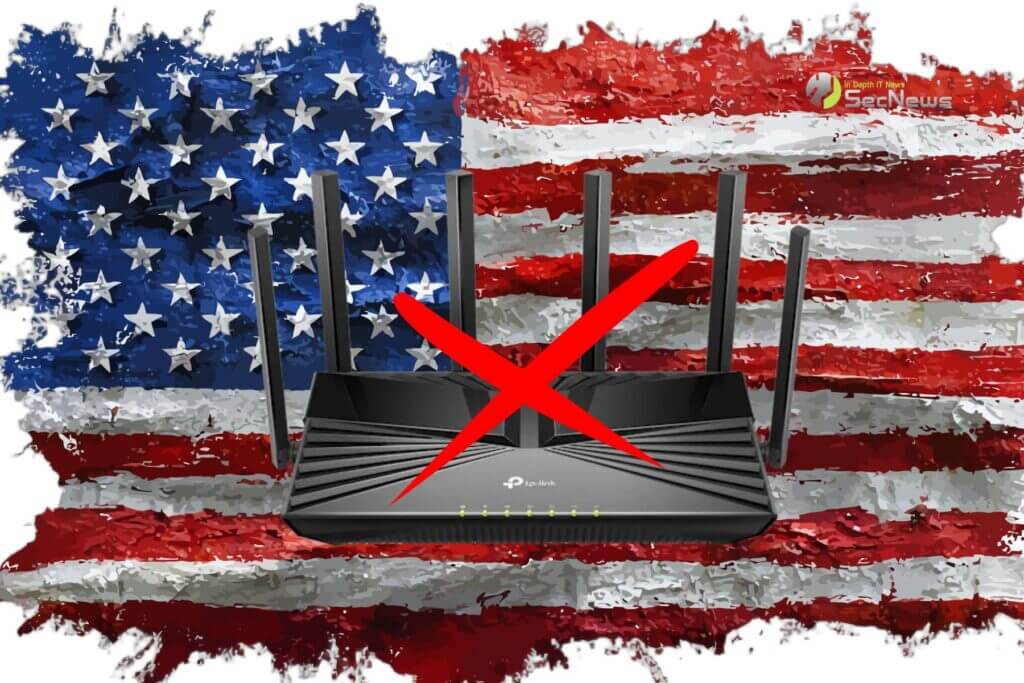
Users who already have Wi-Fi or wired routers can continue to use them as normal, while foreign companies that have already received FCC approval for specific products can continue to import them. However, since the vast majority of consumer routers are manufactured outside the US, mainly in China, most future products in this category will be banned. This means that companies like TP-Link, which has a significant share of the US market, will face serious challenges in maintaining their presence.
See also: FCC: Bans the import of "foreign" drones into the US
The FCC has added all foreign consumer routers to its so-called “Covered List,” indicating that it will no longer approve their radio systems, effectively barring new devices from being imported into the country. The move involves denying FCC Part 2, which is required for all electronic devices that emit radio signals in the U.S. Router makers must now either secure “conditional approval” that allows them to continue importing new products while they work to convince the government to open production in the U.S., or decide to forgo selling future products in the U.S., as drone maker DJI.
National Security and Cyberattacks at the Center of the Decision
As with the ban on foreign drones, the FCC has a “ National Security Determination ” that it claims justifies these actions. According to the ruling, “ the dominance of foreign routers in the U.S. market creates unacceptable risks to the economy, national security , and cybersecurity .” The FCC also says that foreign-made routers “ were directly involved in the cyberattacks Volt, Flax , and Salt Typhoon that targeted critical U.S. communications, energy, transportation, and water infrastructure .” These attacks are attributed to state-sponsored Chinese hacking groups and have raised significant concerns among U.S. intelligence agencies
The US is particularly targeting TP-Link , with Texas suing the company over its ties to China . TP-Link has about 65% of the US consumer router market, making it a strategic target for US authorities. Federal authorities have also shut down a Chinese- backed botnet targeting home office routers , and have identified 260,000 devices infected with Chinese malware.
See also: FCC: Investigates risks to US mobile devices from foreign satellites
Doubts about the Effectiveness of the Measures
Despite government statements, it remains unclear how simply moving router domestically will make them more secure. In the Volt Typhoon, Chinese hackers primarily targeted routers Cisco and Netgear, which are designed by American companies. These American companies had stopped providing security updates because they had discontinued these products. This highlights that the problem is not necessarily the country of manufacture, but the lack of ongoing security support and the presence of vulnerabilities that are not patched in a timely manner.
This decision falls within the broader context of the Secure and Trusted Communications Networks Act of 2019 and the Secure Equipment Act of 2021, which authorized the FCC to identify dangerous equipment and block companies deemed a threat.

Practical Advice for Consumers and Businesses
Consumers concerned about the security of their routers can take specific protective measures. First, it is critical to regularly update their devices’ firmware , as manufacturers often release patches for known vulnerabilities. Second, changing default passwords and using strong, unique passwords is essential. Third, disabling unnecessary services, such as WPS and remote management, can reduce the attack surface. Businesses should consider switching to enterprise-grade solutions from American manufacturers such as Cisco, Aruba , or Ubiquiti, while also implementing network segmentation and traffic monitoring to detect suspicious activity.
See also: Security flaw in Juniper Networks PTX routers
According to The Verge, this decision is expected to significantly impact the market, with consumers turning to certified American equipment, potentially increasing prices in the short term but promoting innovation in secure technology in the long term. This move is expected to strengthen the position of American companies, while also creating opportunities for new players in the American networking equipment market.
